
(recap of 10/01 and 10/02)
October 1st

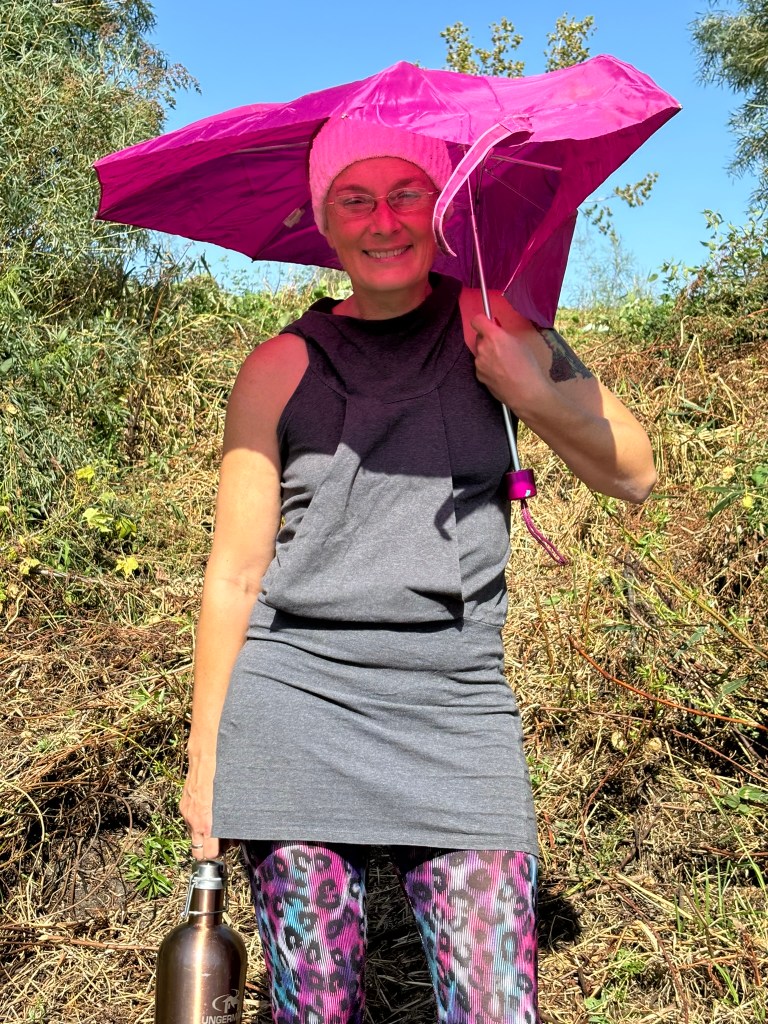
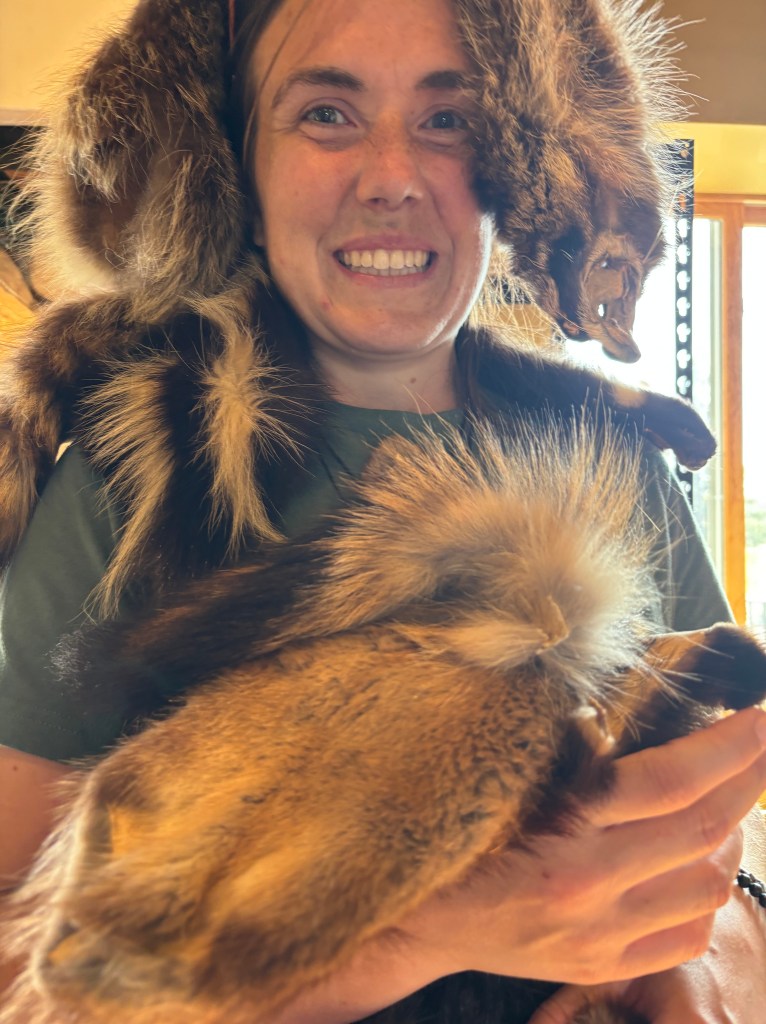
Here is an absolutely beautiful poem from our Learning Guide, Christine Tuhy (Ms. Chris, pictured above):
Springing Nettles
Laughter springs like leaping frogs
Up from springy, marshy bogs.
Sticks click, shouts rip
Little girls hide, grasses up to their lips.
Pants get wet, hats get lost,
We’ll be outside, even in the frost.
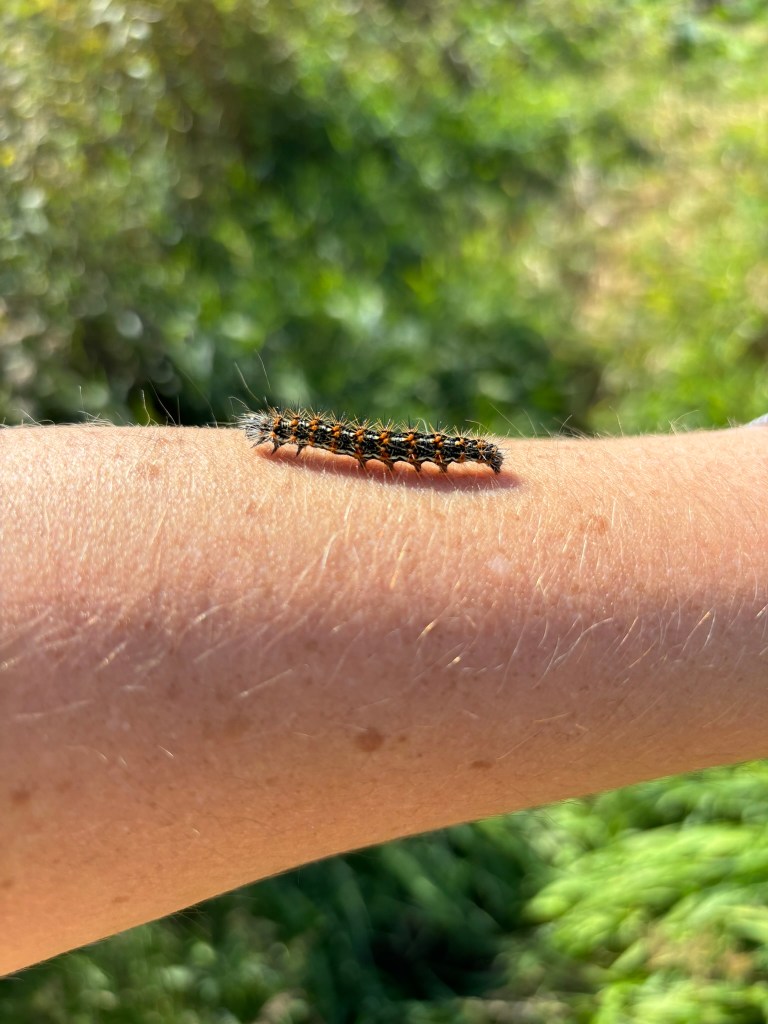
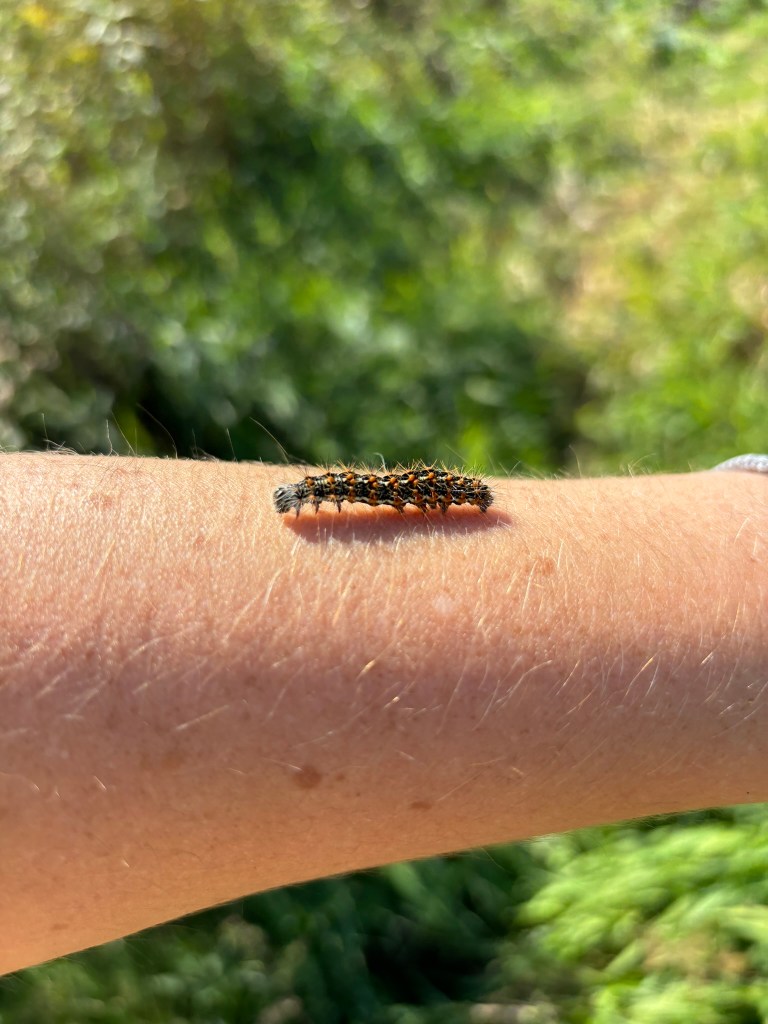
Caterpillar drops into a grassy underworld
In springtime, we’ll see the ferns unfurled.
Children roam free as birds
At Singing Nettle Forest Stewards.
~~~
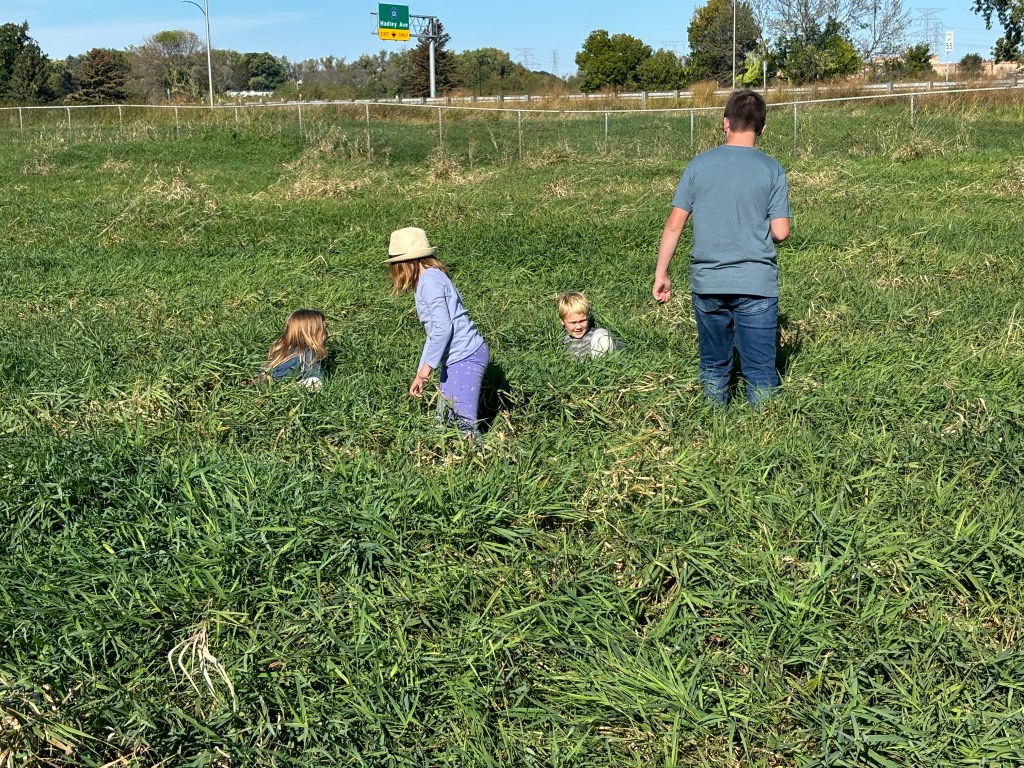
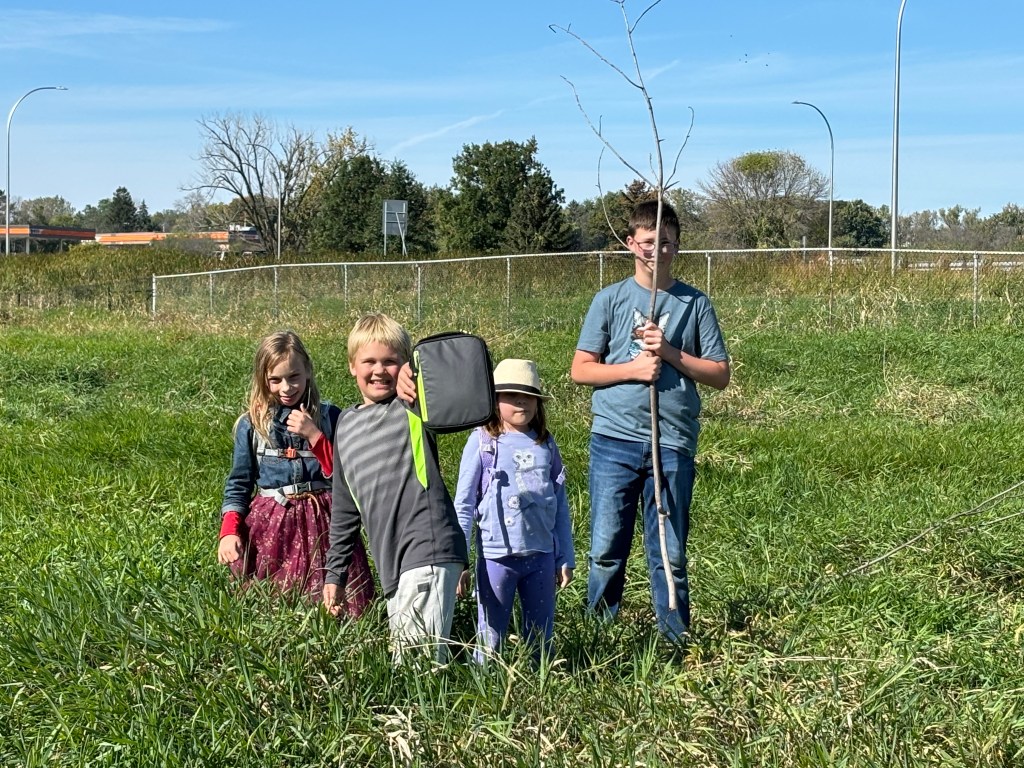
I think the photo below perfectly captures this poem:
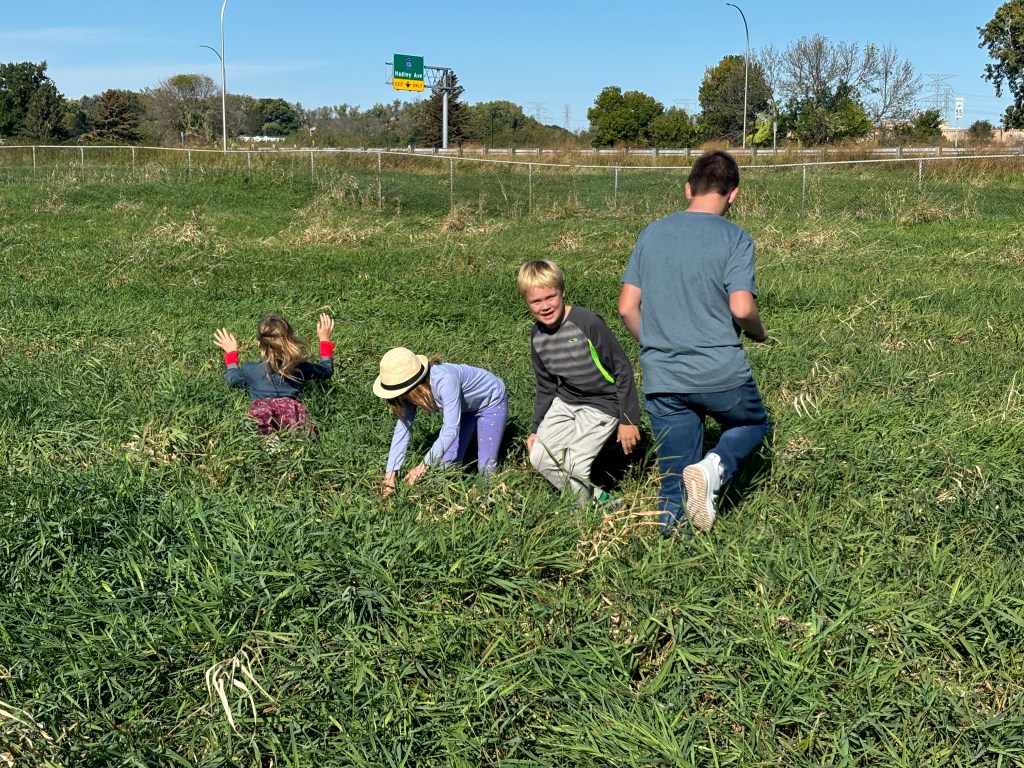
We decided to dance in our “Grassy Knoll” we call it (I explained briefly the JFK reference to our stewards)! 🙂
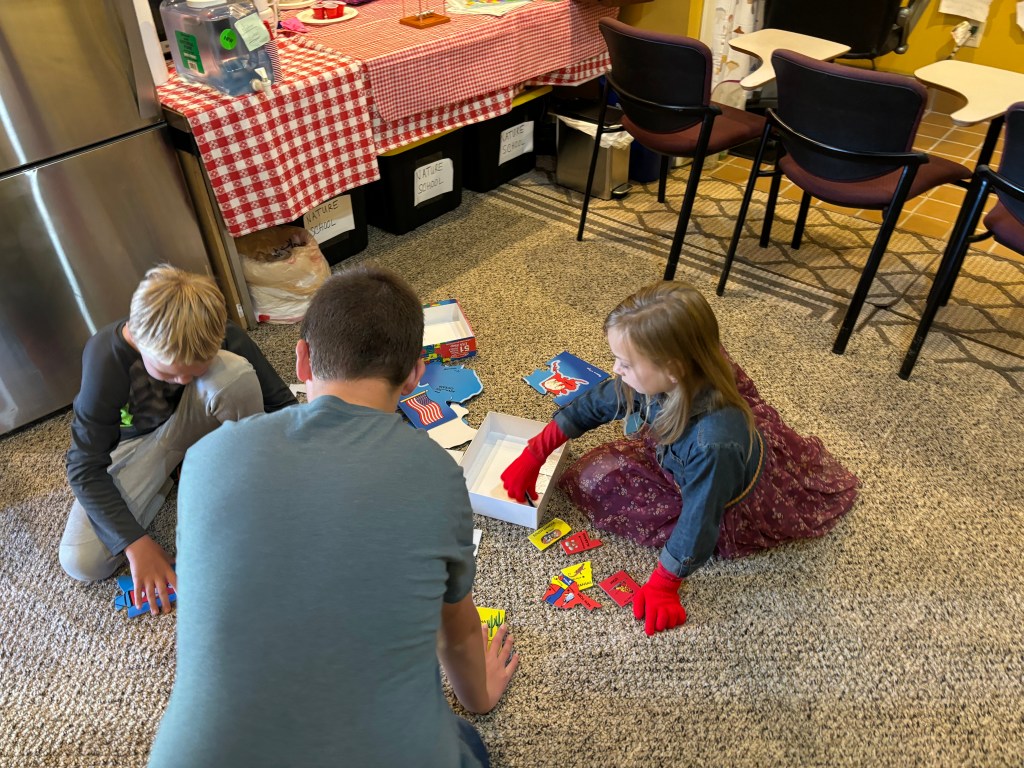
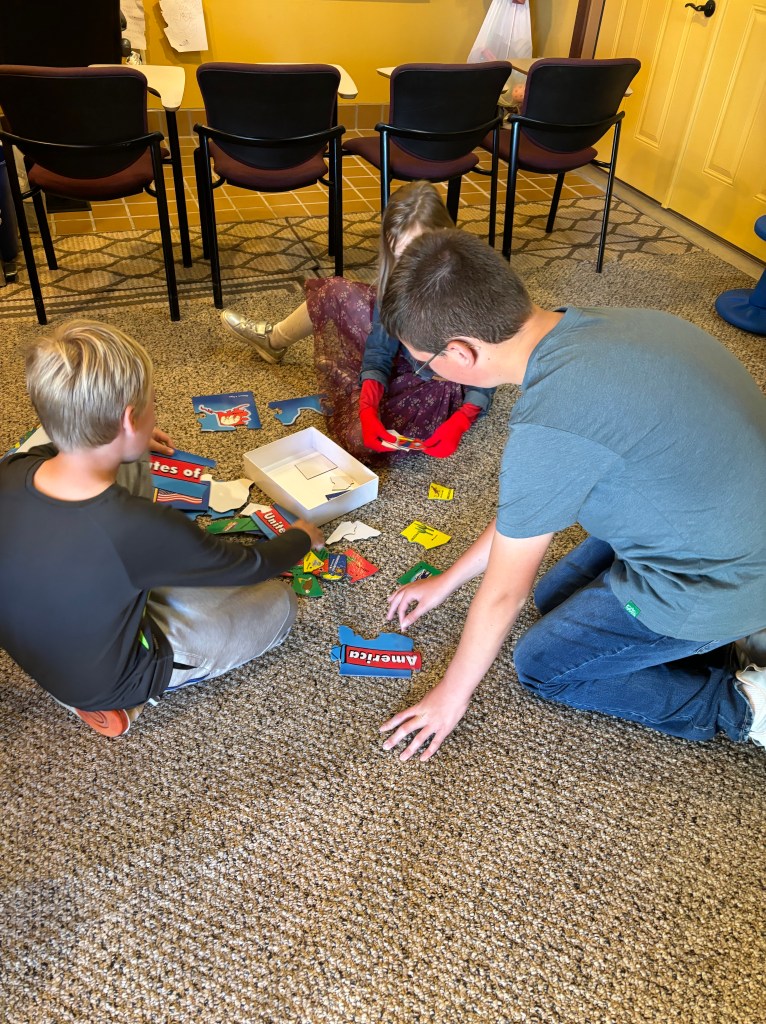
In the morning, each steward worked on completing a geography puzzle! We were listening to patriotic songs while completing the puzzle, such as fanfares & marches of John Philip Souza, our national anthem, and military / revolutionary songs too. 🙂
We welcomed a new steward today! Our new steward led various alien games and activities, and also shared with us some fun and interesting facts about the planets in our solar system!
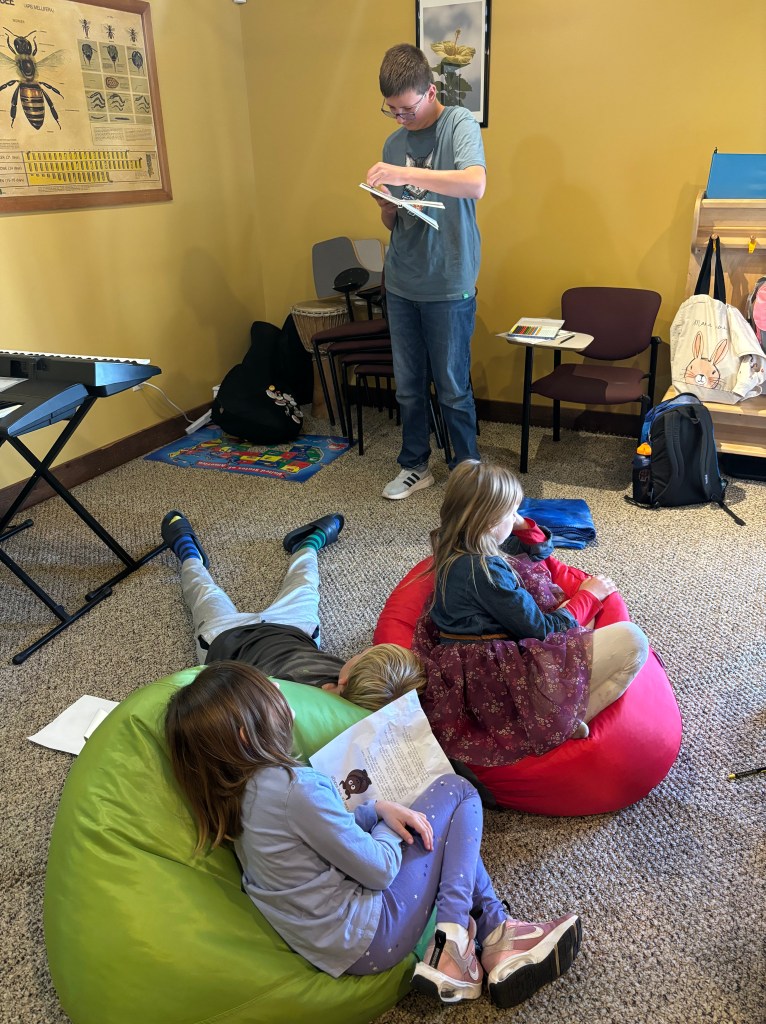
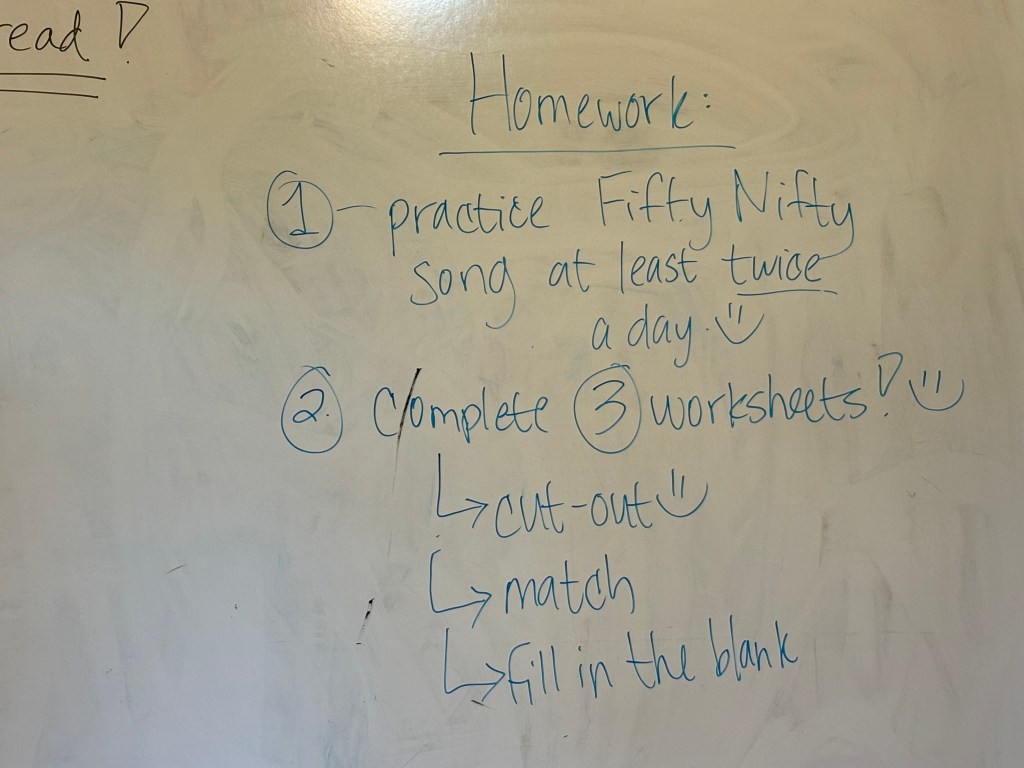
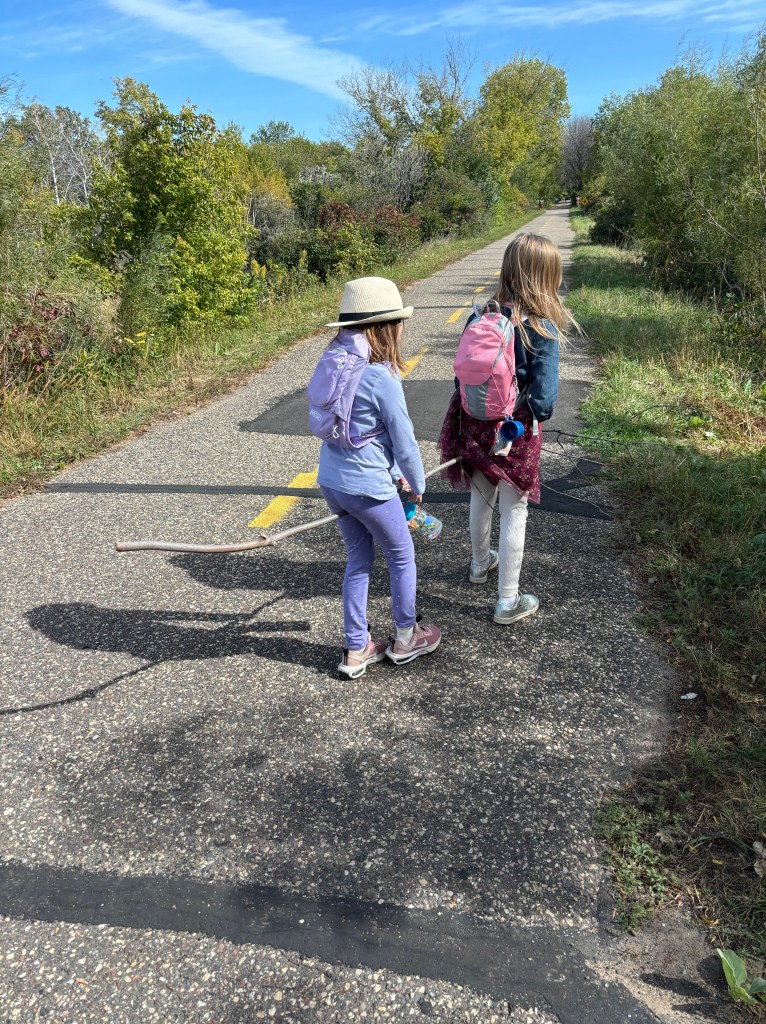
As a class, we learned the Fifty Nifty United States song – which is a song about all 50 states here in America. 🙂 It is a fun and catchy song – we even sing it outside while exploring the spaces around the Gateway Trail!
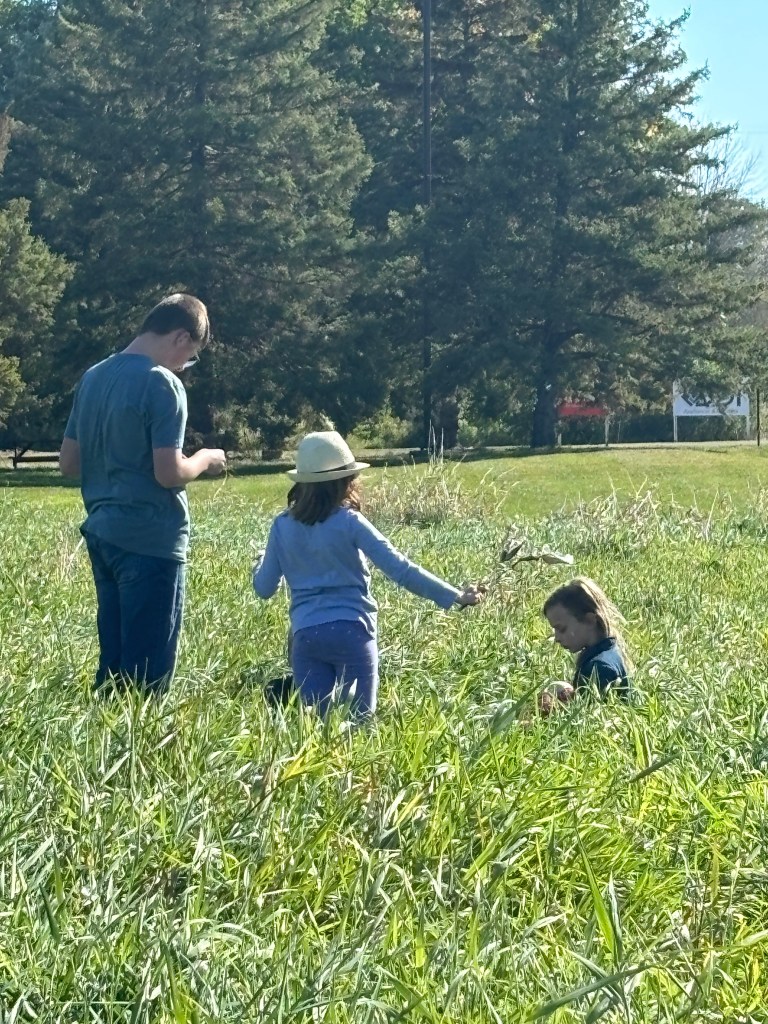
The stewards tumbled in the open grass prairie and found a hidden stream!

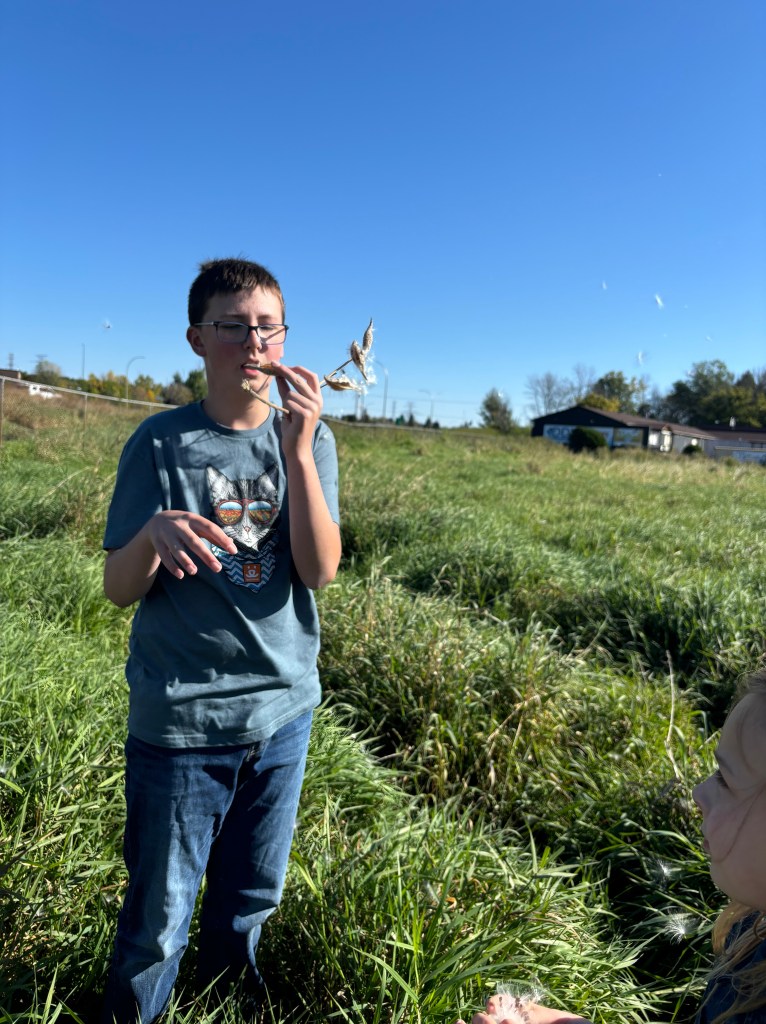
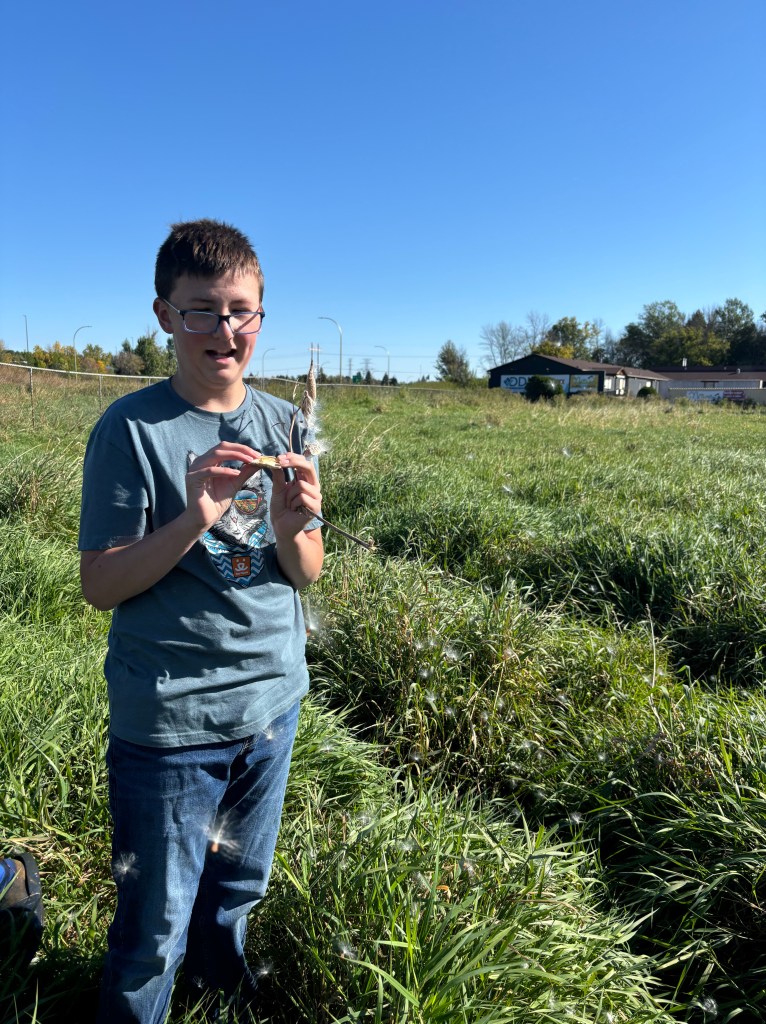
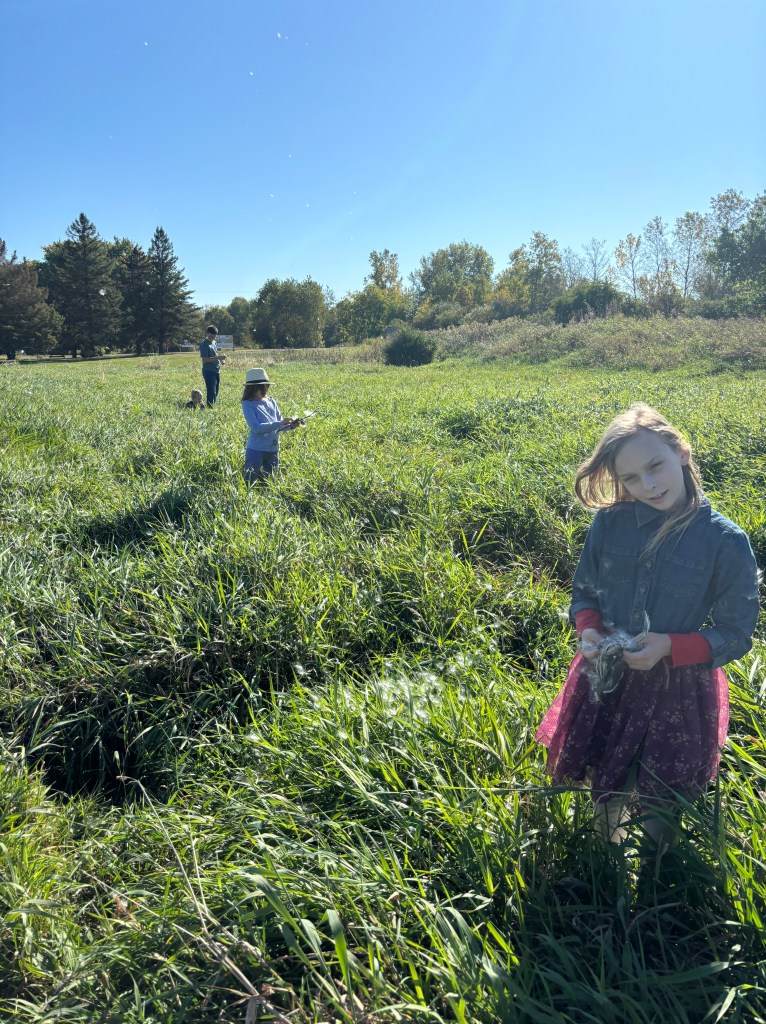
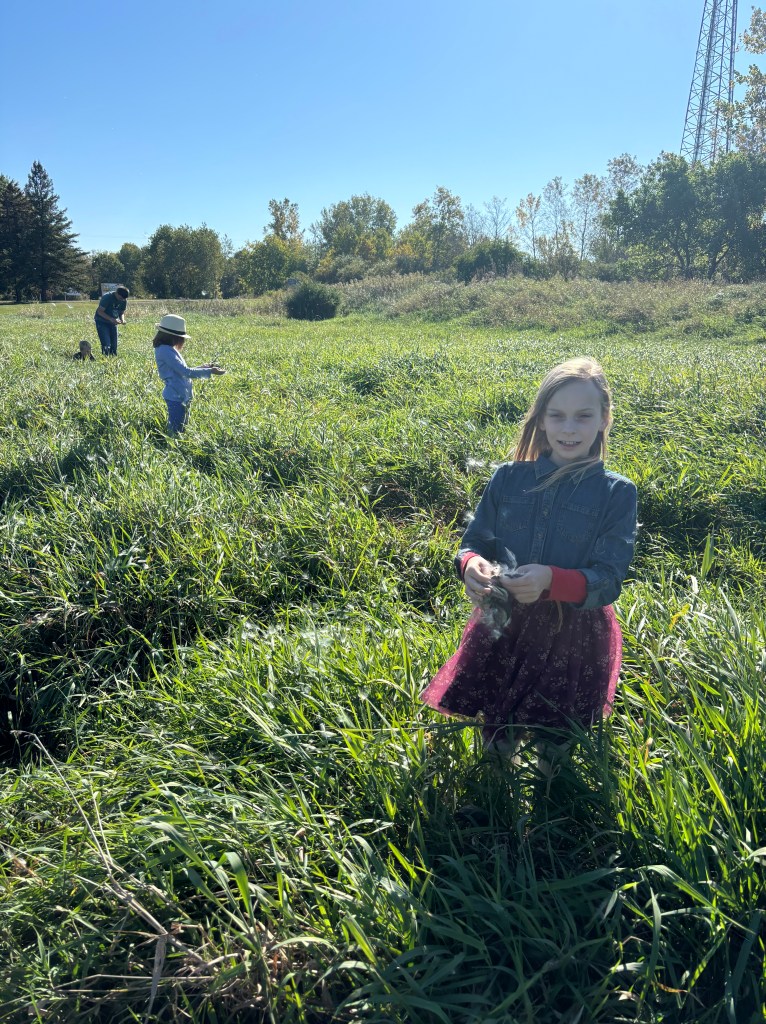
Today was a very momentous day for our class and we marked it with a celebration – a Milkweed Seed Releasing ceremony!!!!

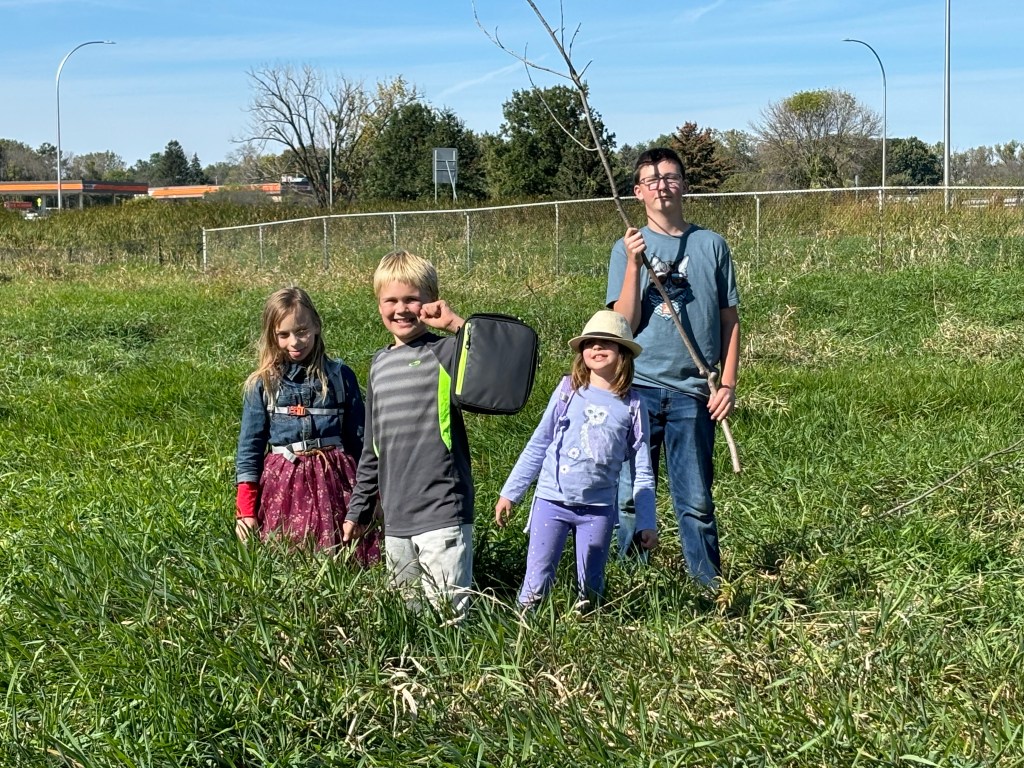
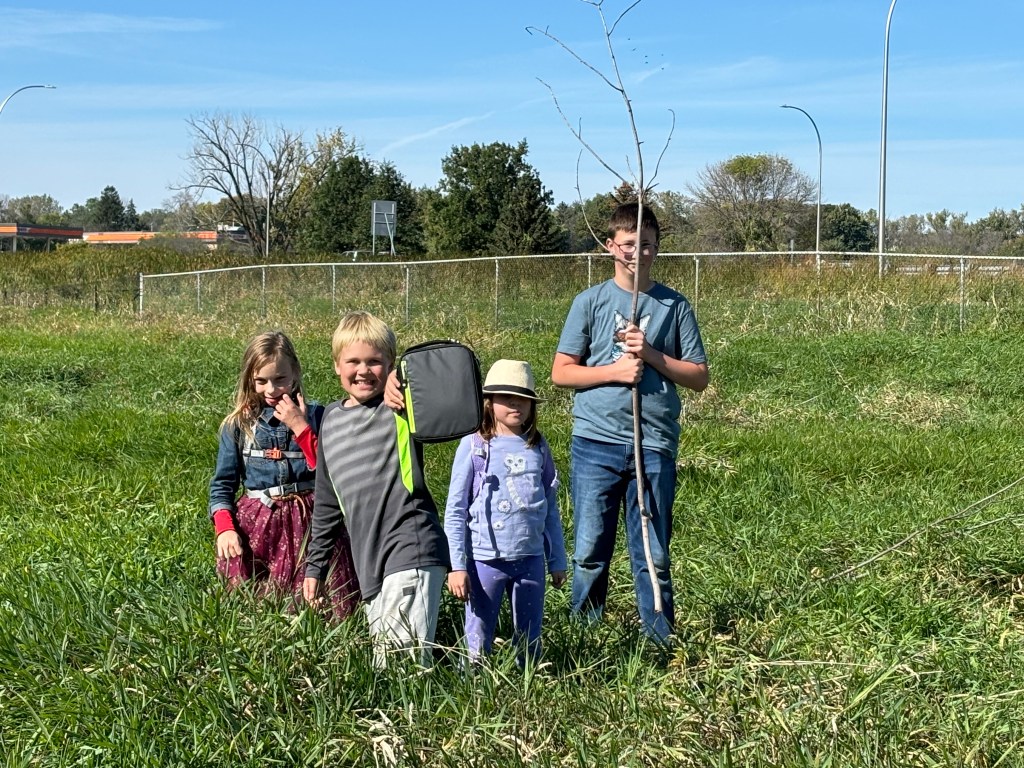
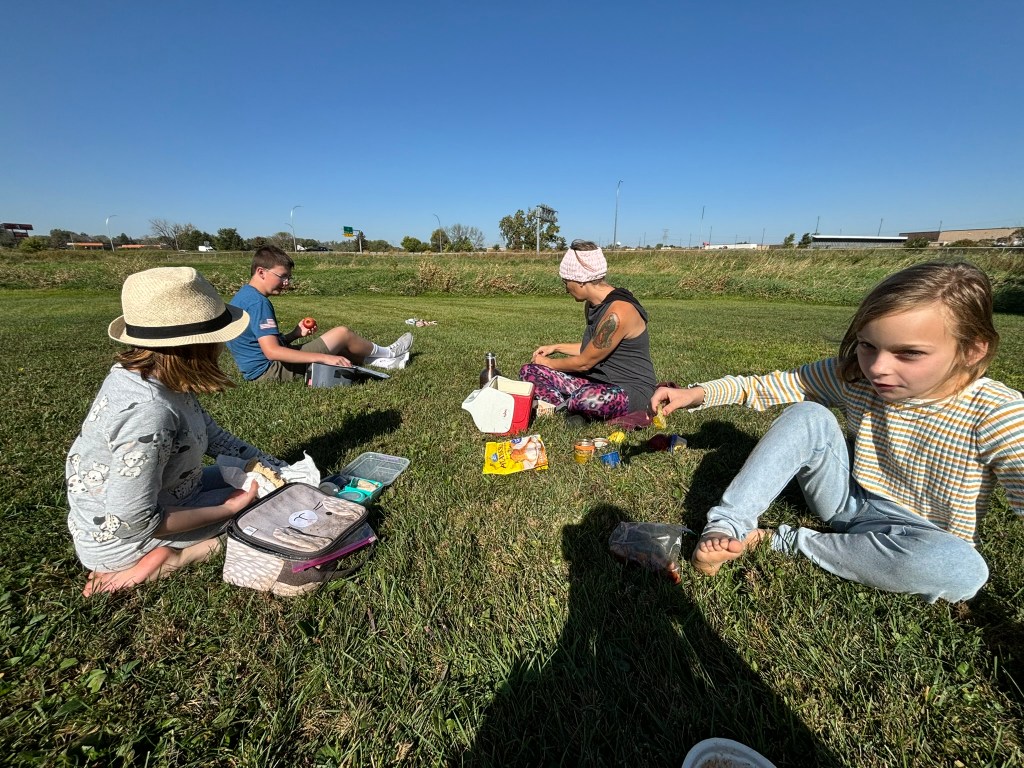
We had such a special time. We had lunch in the tall grass prairie – a barefoot lunch! The pose of the stewards in the photo below look like they are part of an anime series like One Piece hehehe 🙂
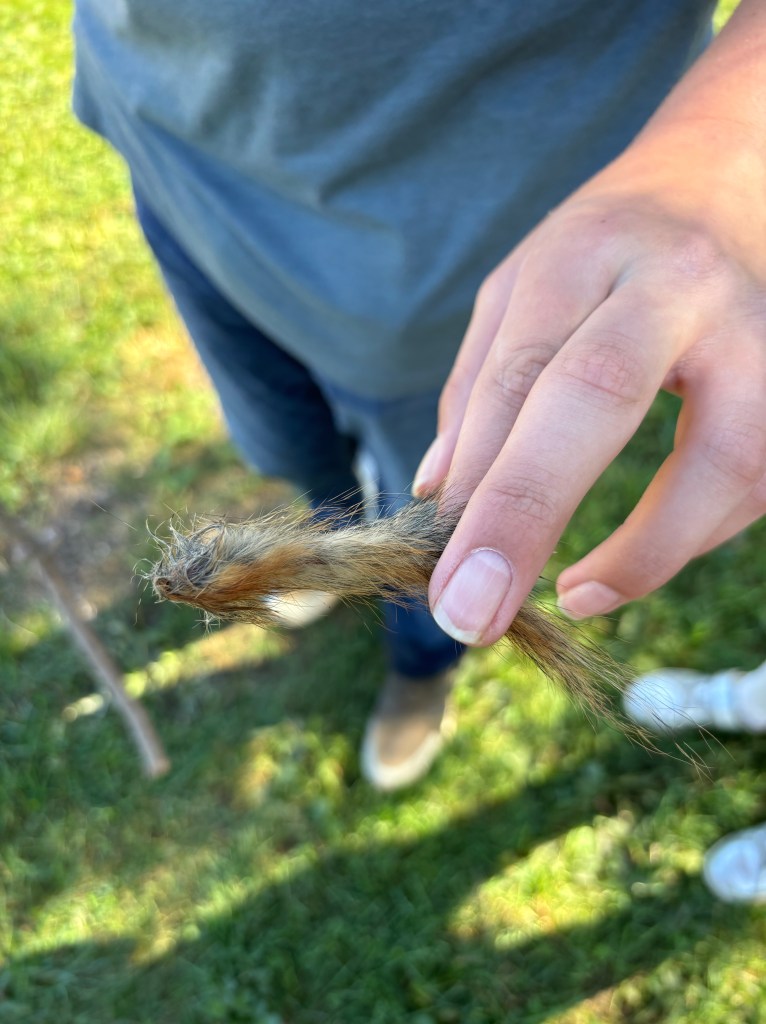
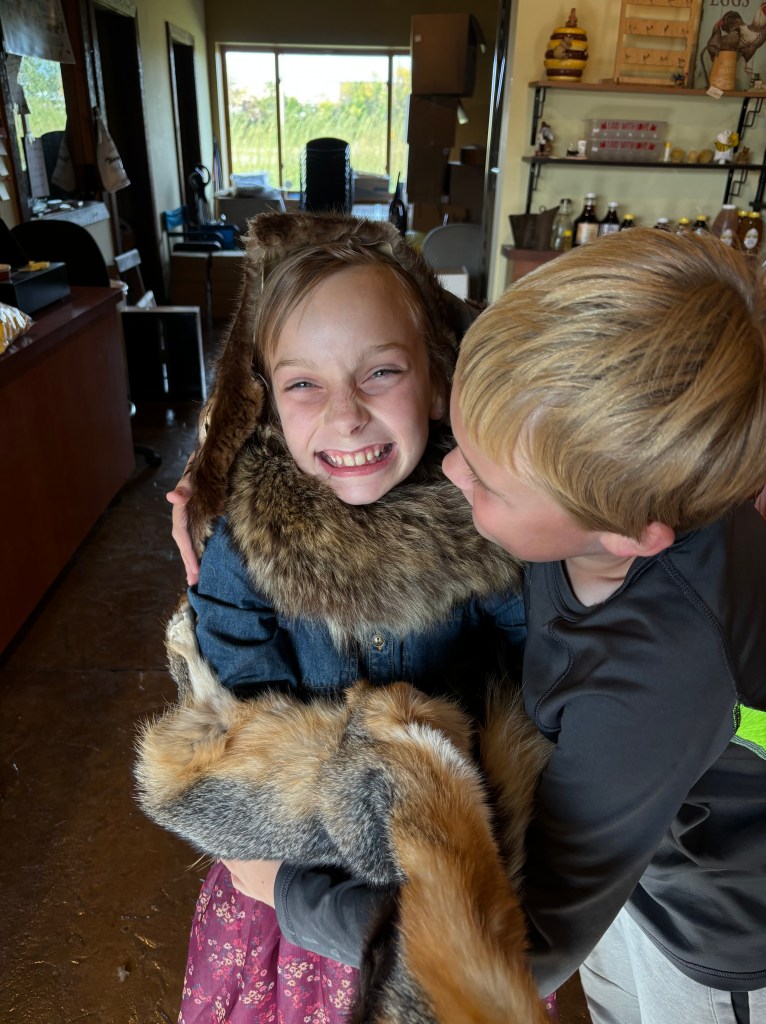
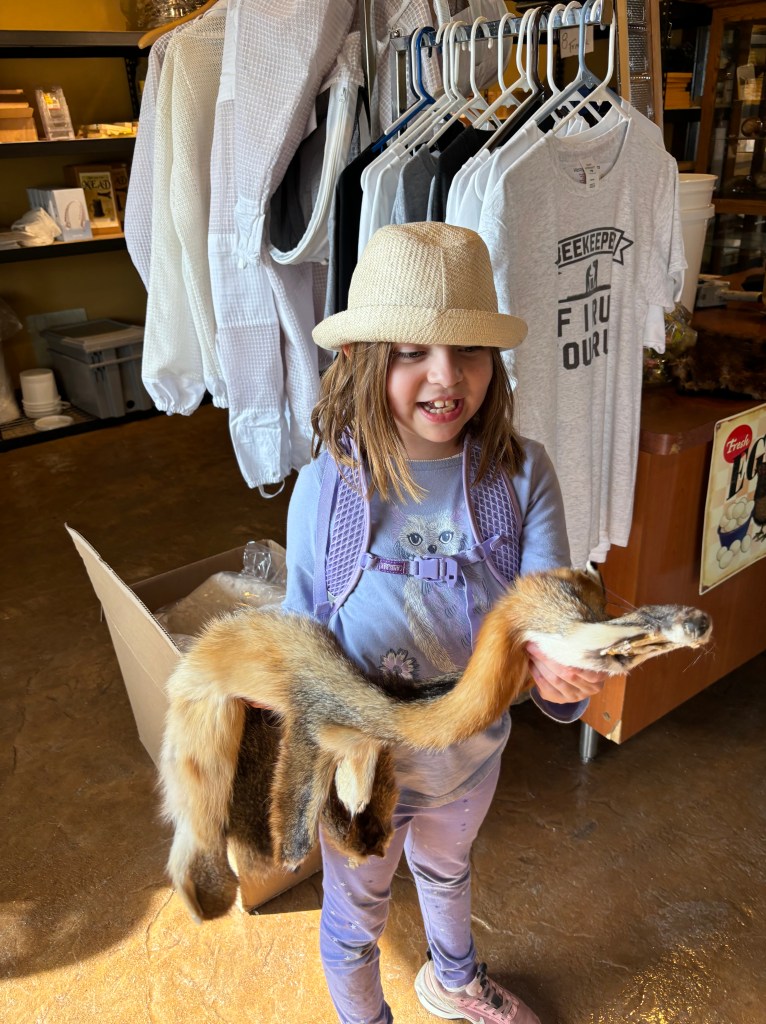
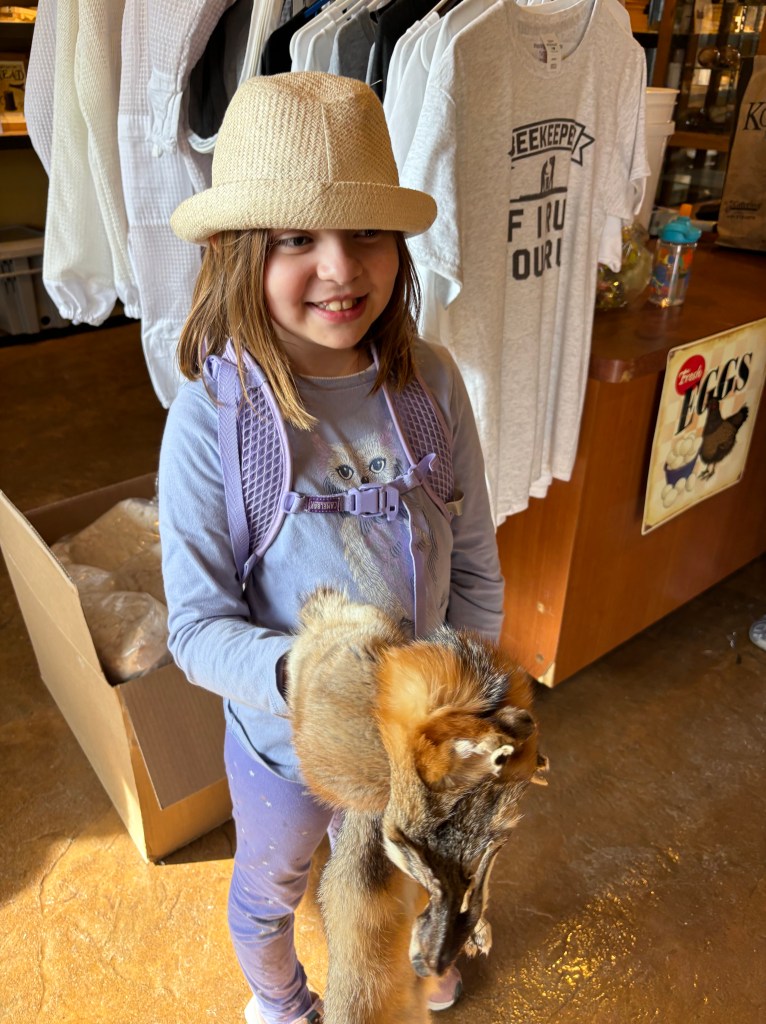
We also found a tuft of unknown fur that has red, grey, yellow, and black! All stewards submitted guesses as to what animal it might be from – it will be sent to an animal expert to be examined more closely. 🙂
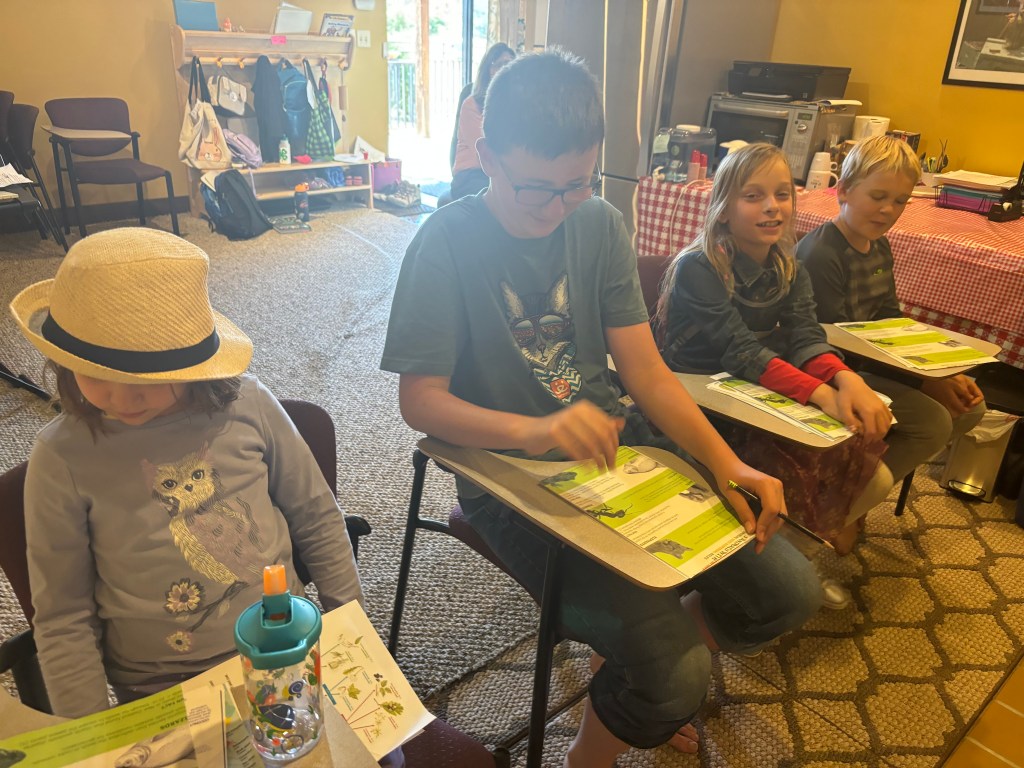
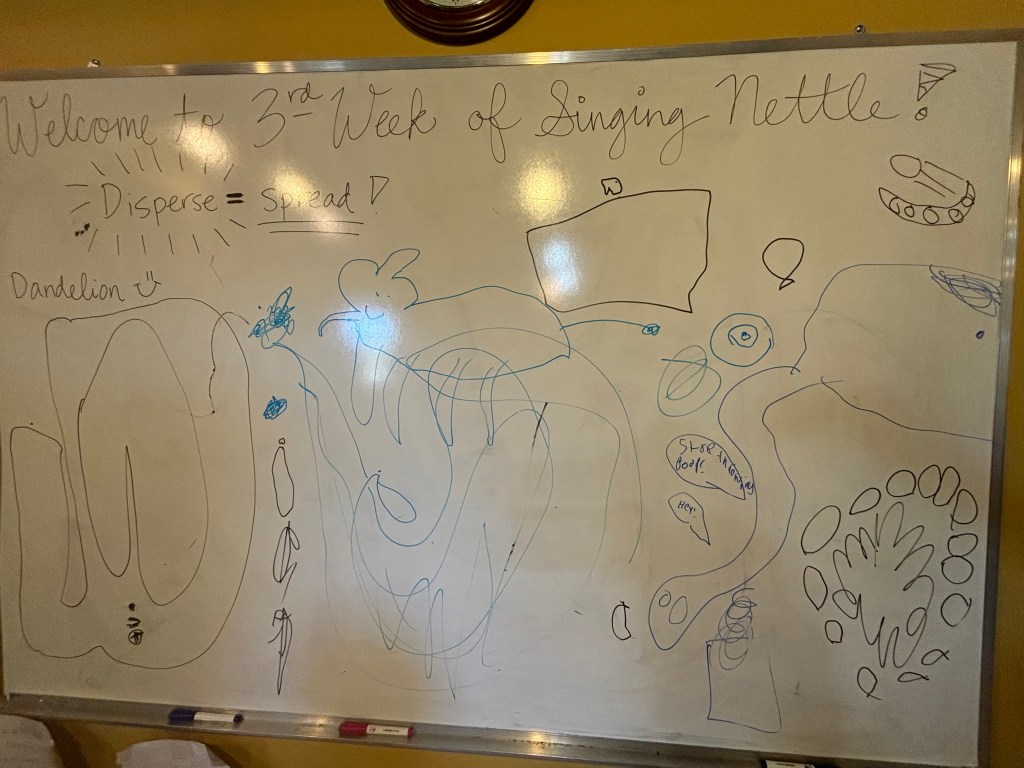
After our Milkweed Seed Releasing ceremony, we learned about the different types of seed dispersal – wind, water, explosive, animal, and gravity! Stewards received multiple worksheets to work on and to learn more about seed dispersal.

We learned about very interesting animal dispersal facts – such as mountain lion seed dispersal, elephants, fishes, lizards, and ants! Some interesting facts include:
- Mountain lions accidentally ingest and disperse seeds when they eat preys that have a diet consisting of seeds, such as the Eared Dove.
- A study conducted on Congo forest elephants found that 94% of their dung contained seeds from 73 different tree species.
- Myrmecochory is a term that refers to seed dispersal of ants.
- Trees, especially ones in the Amazon, have evolved to make their fruit float and be more attractive, making it easier for fishes to find.
- One study in New Zealand found that lizards generally disperse seeds < 20 meters enough for seeds to escape the parent plants!
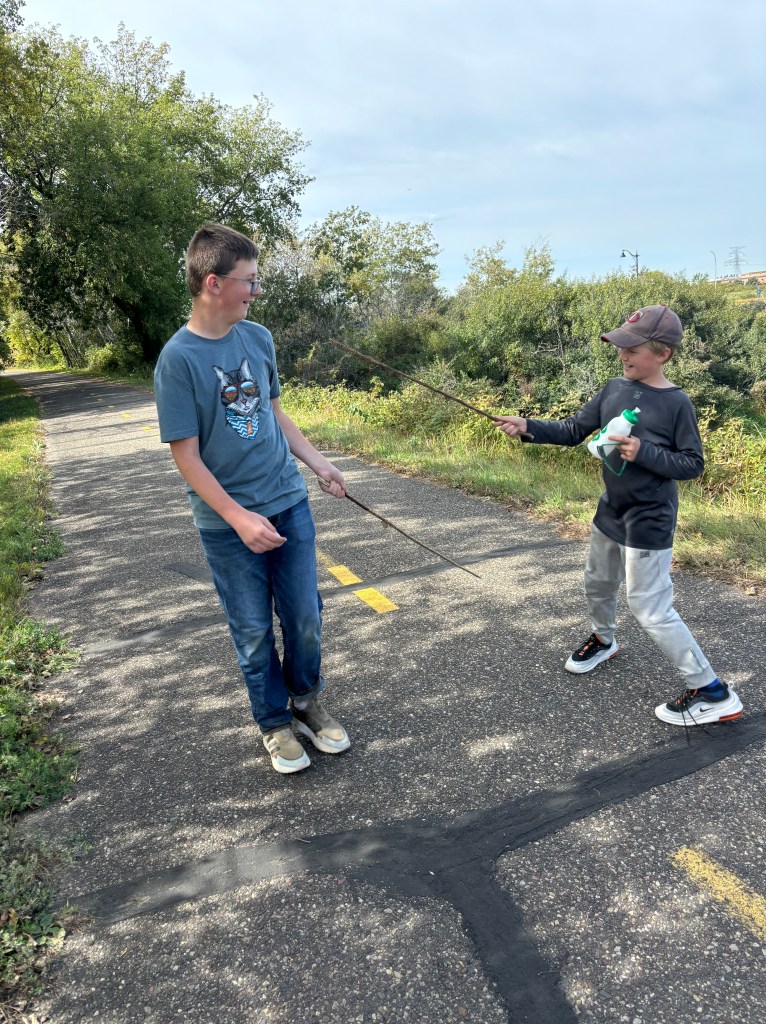
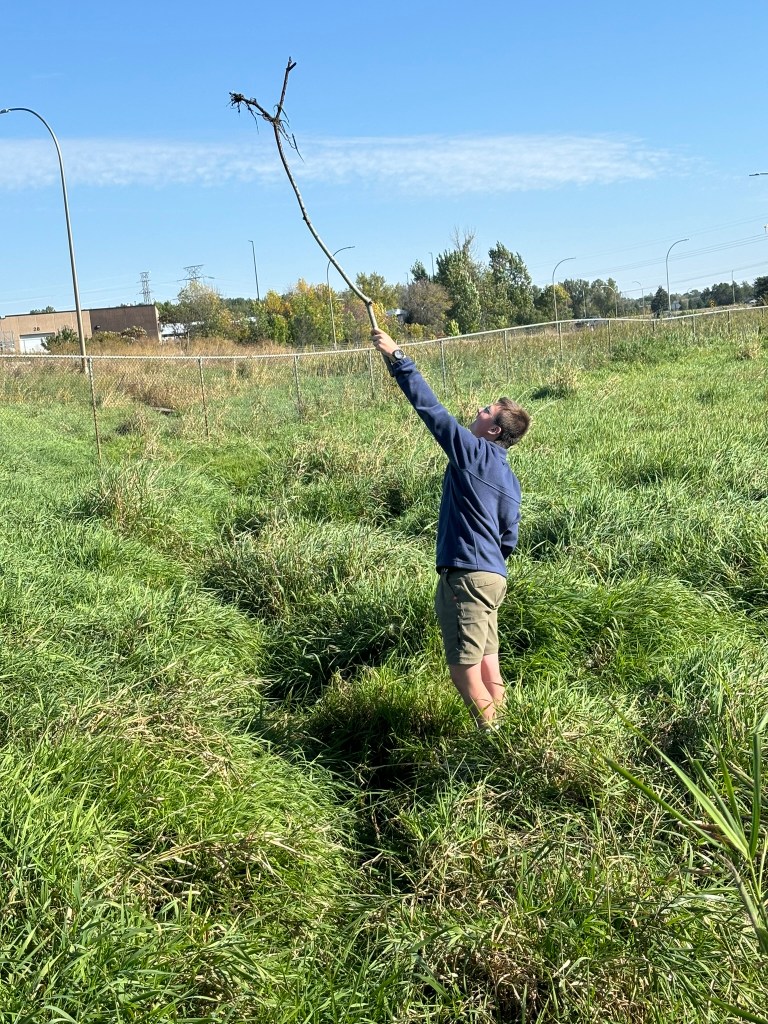
After learning about seed dispersal, we went on a walk to see real-life examples of seed dispersal. We saw mainly gravity, wind, and animal examples. We learned that milkweed might be an example of wind and explosive! Some stewards participated in mullein sword fighting with the mullein stalks!
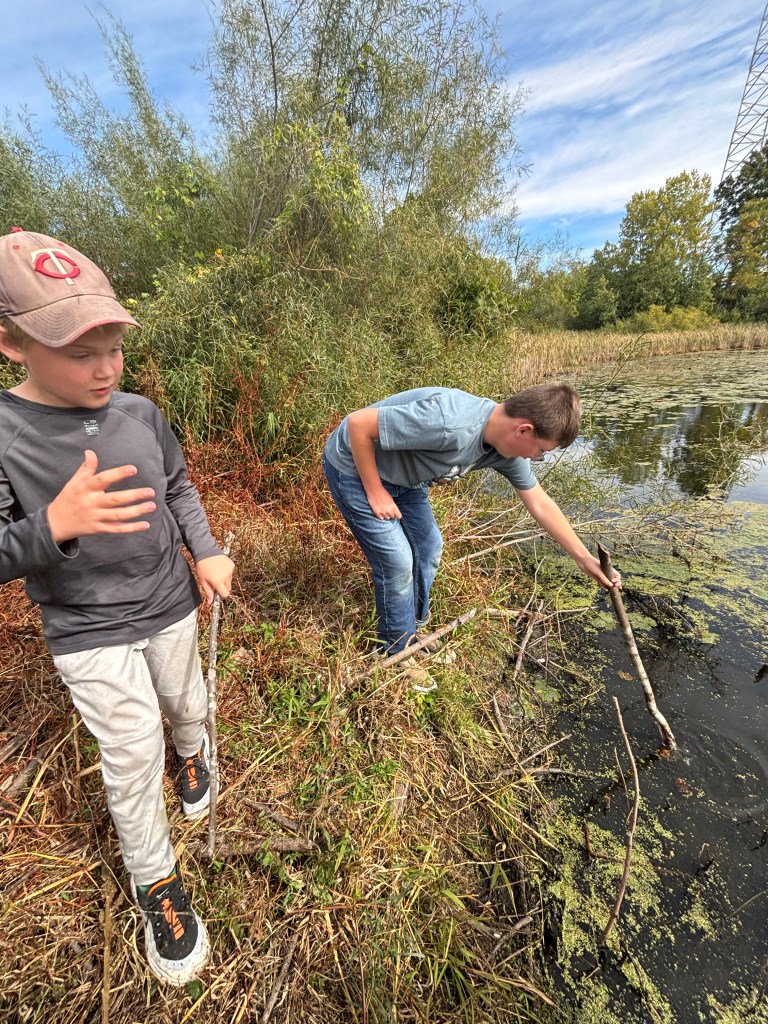
We found milkweed in the wild, found a pod retention area, and noticed how bubbles would spring up every time we pushed a stick into the bottom of the pond! In week 7, we will learn more about carbon sequestration, eutrophication, algae blooms, and other things that can factor or be considered into the methane release from ponds.
We saw raccoon tracks and raccoon poop near the pond, checked on the decaying squirrel from week 1, and learned about yarrow and the history of yarrow!

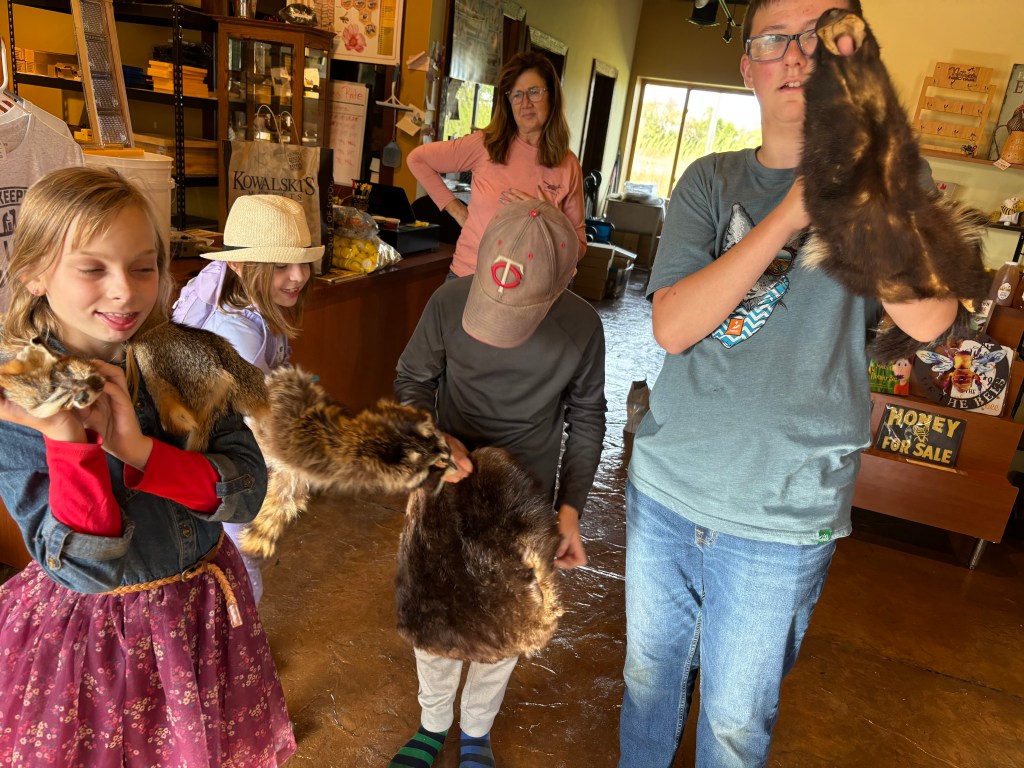
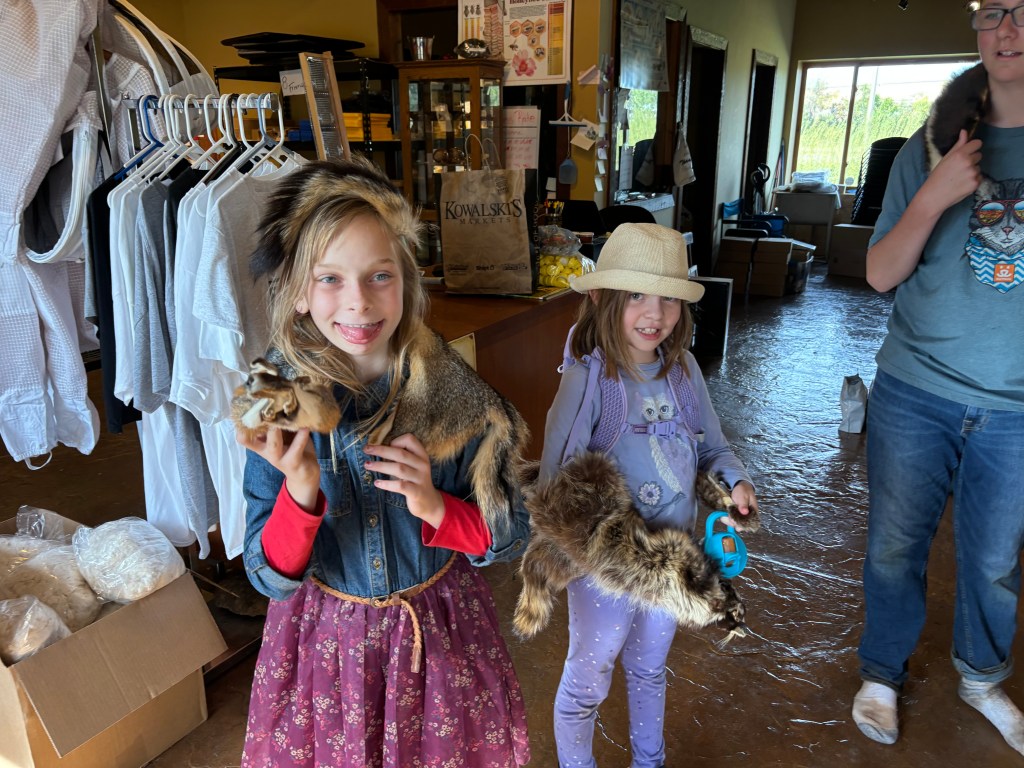
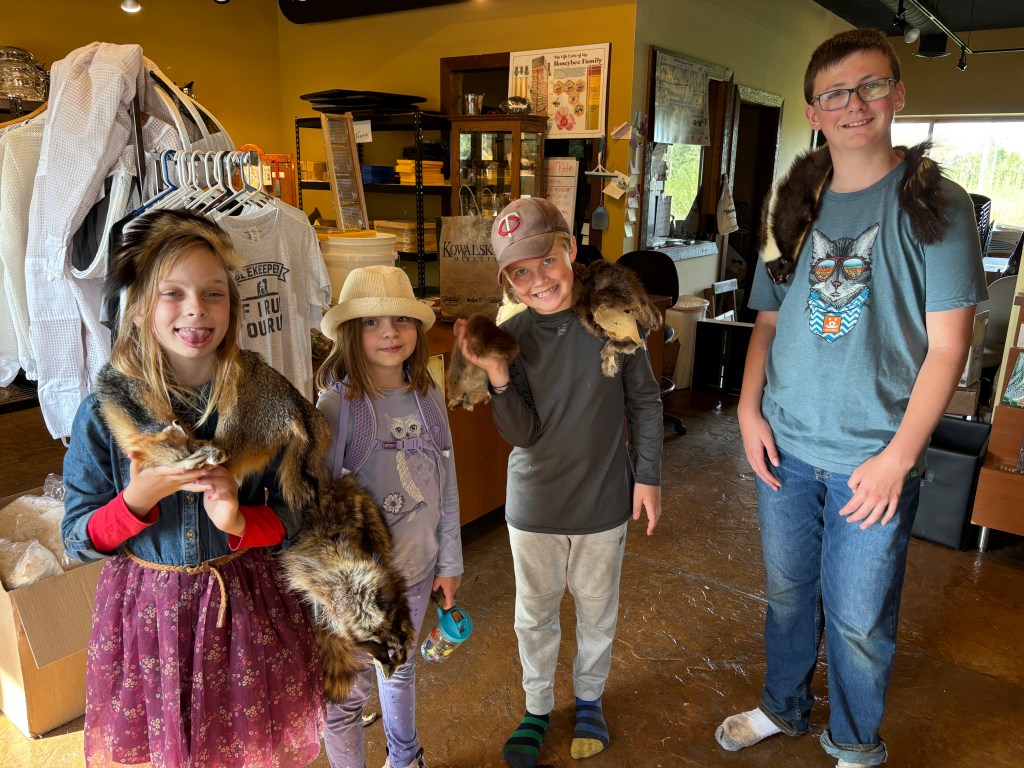
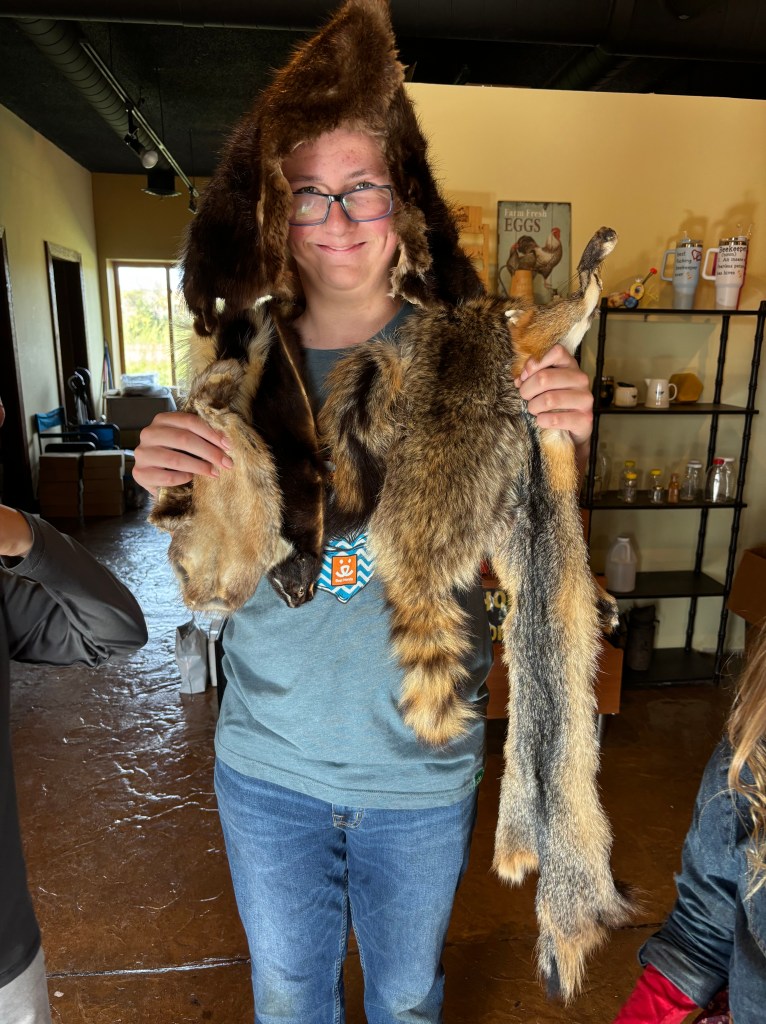
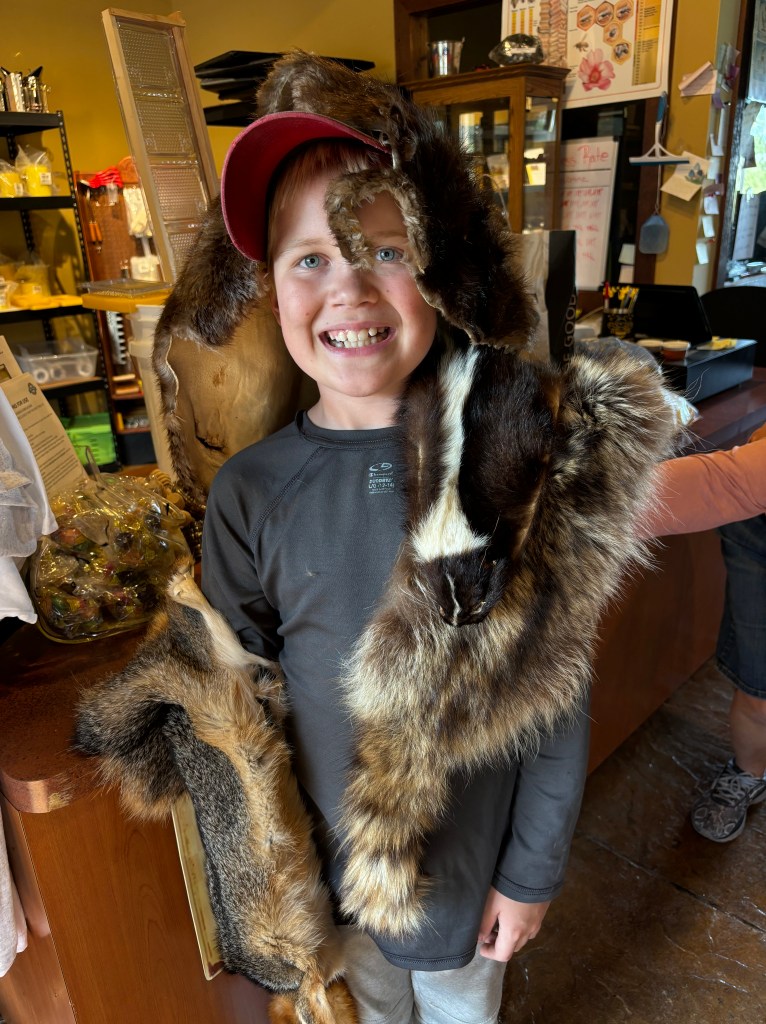
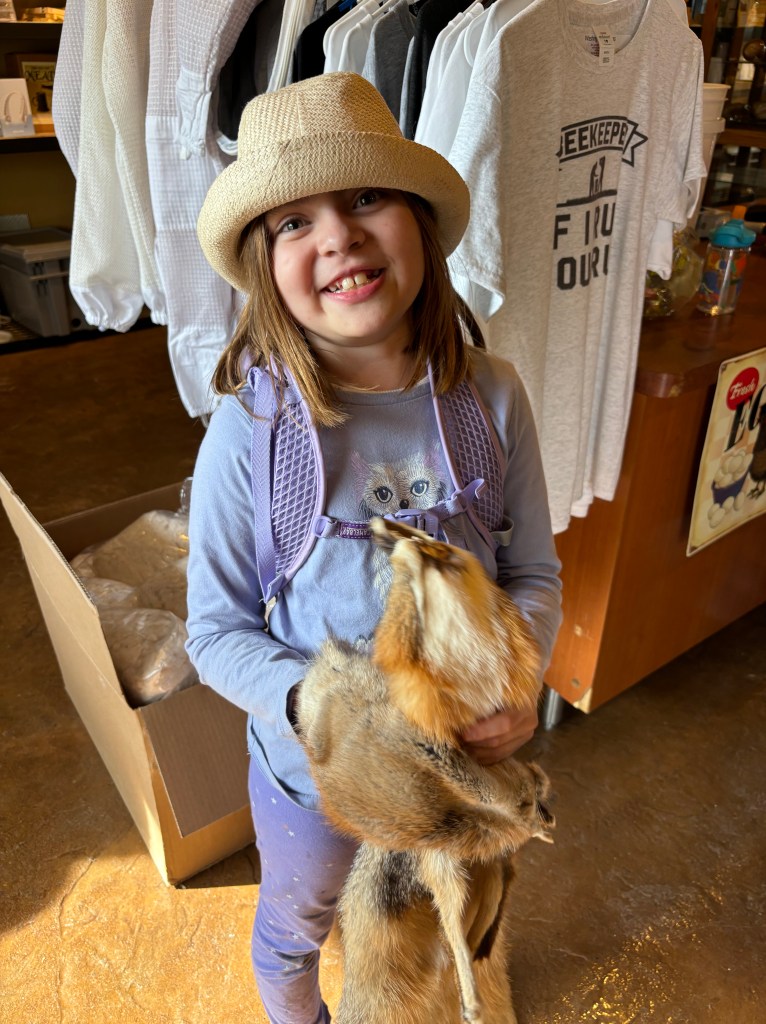
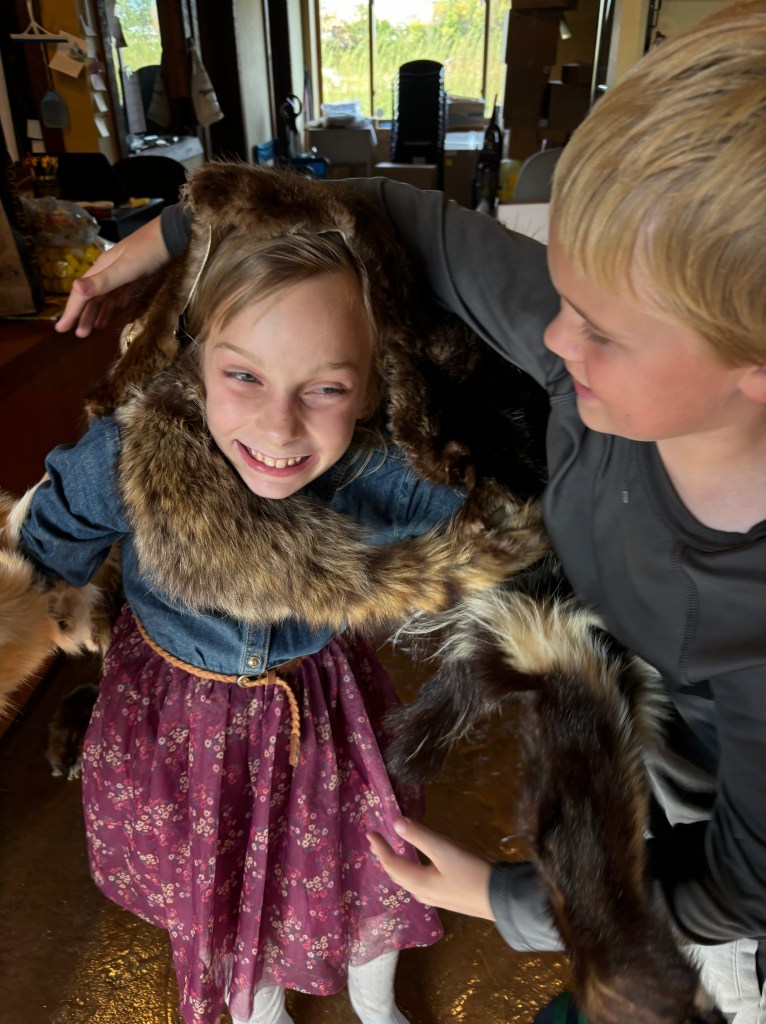
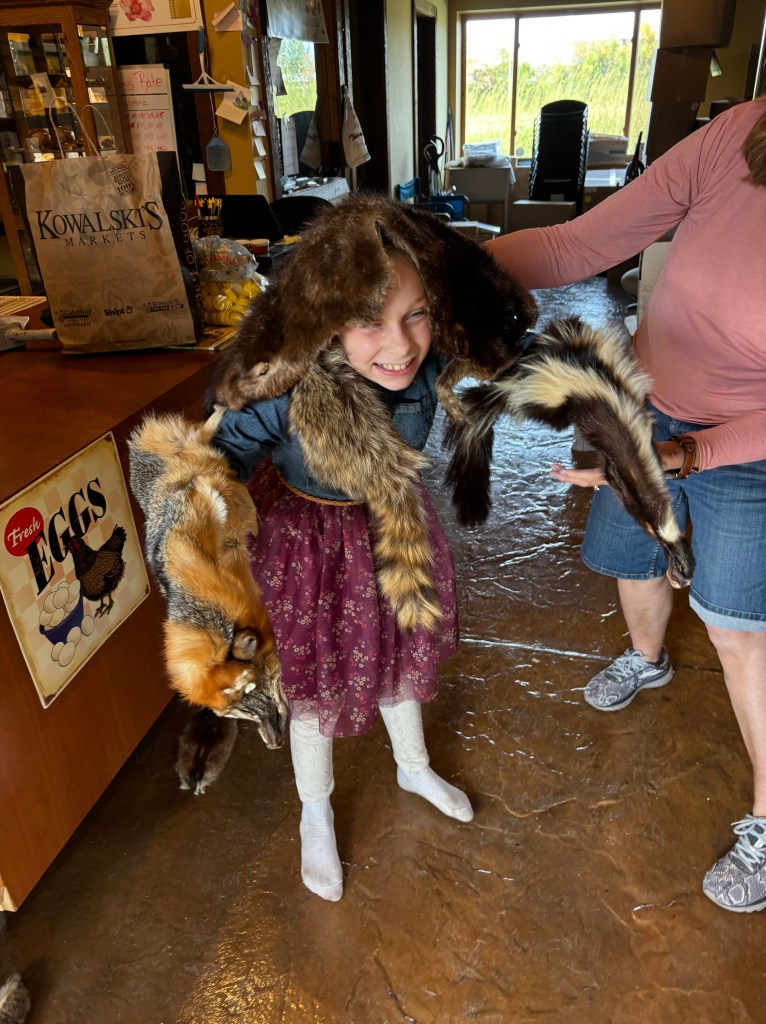
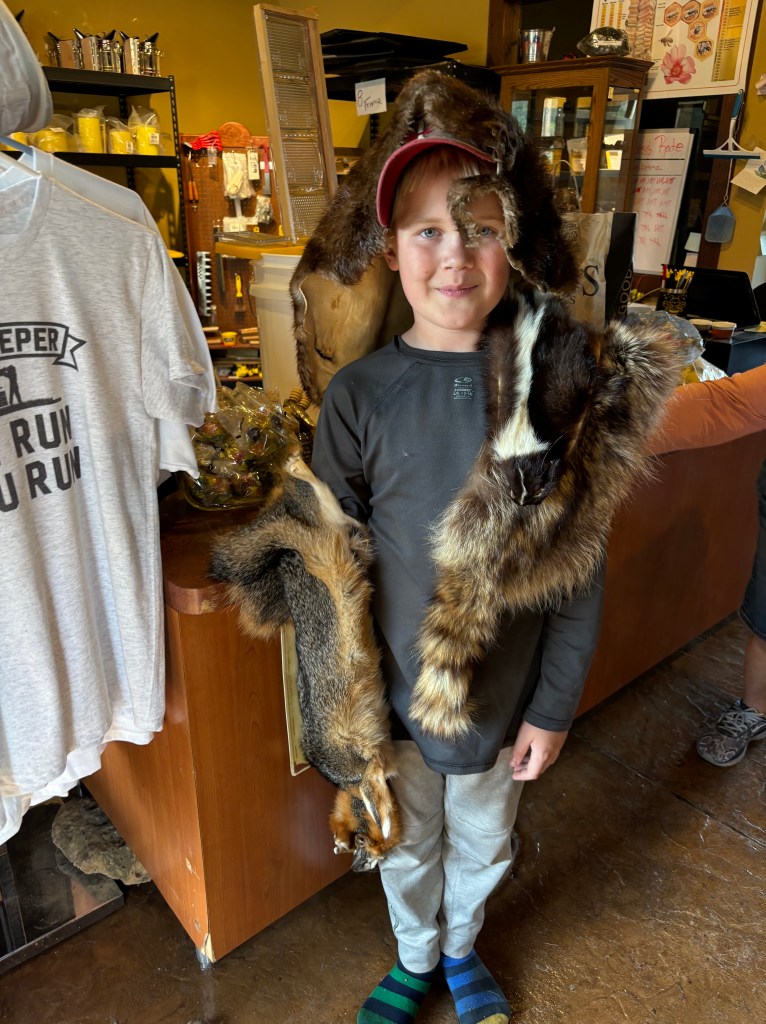
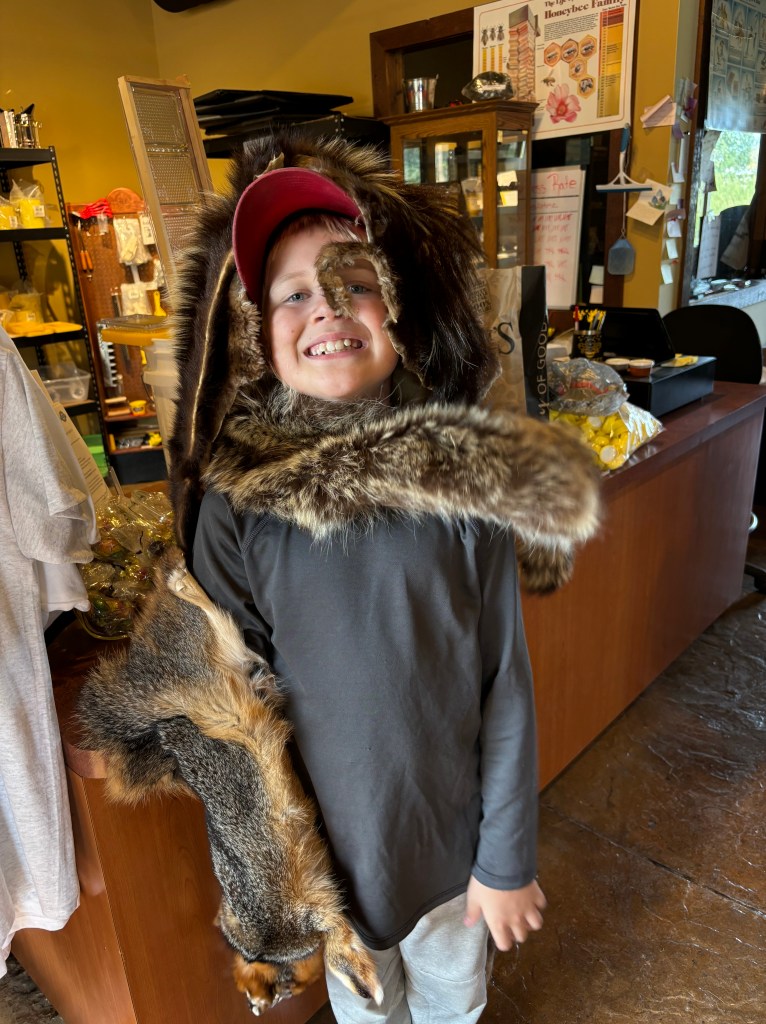
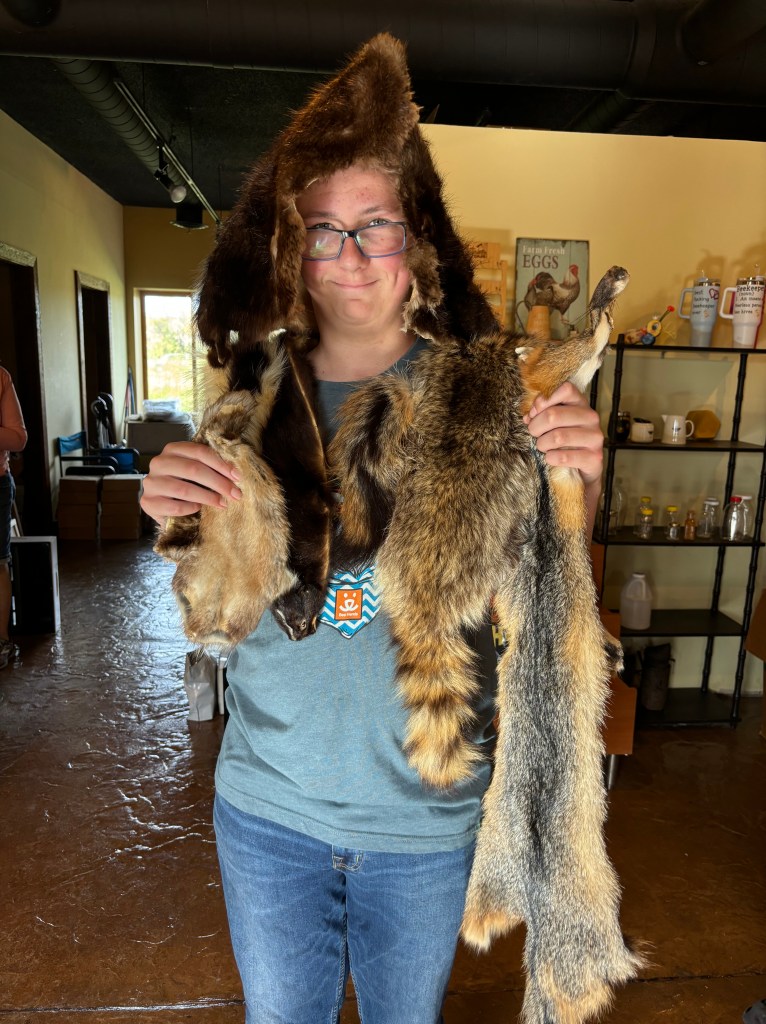
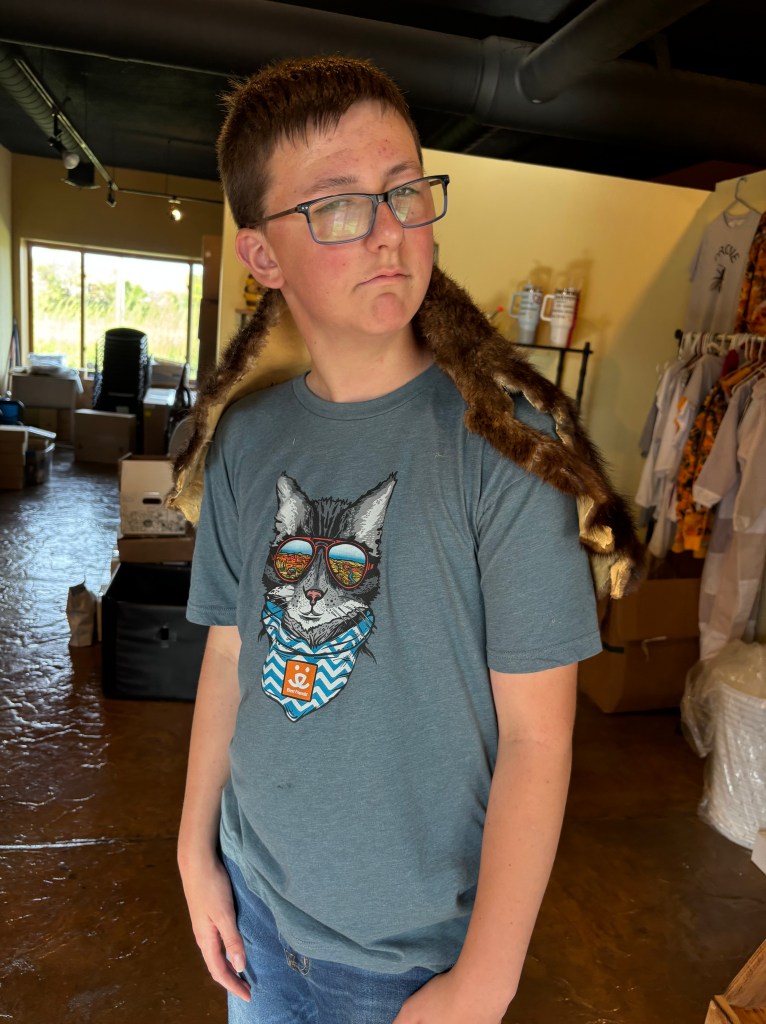
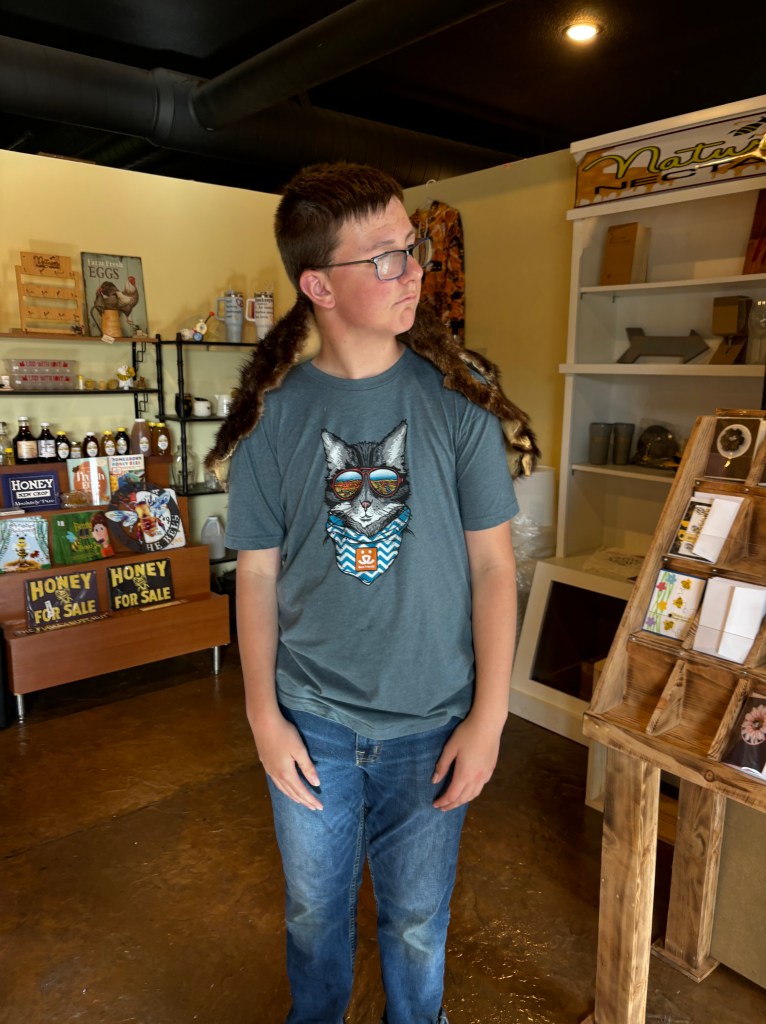
We played with the fur pelts of fox, raccoon, beaver, muskrat, skunk, and skulls of different animals – I received pelts and skulls from my uncle who is a professional fur trapper 🙂
Gentle reminder to keep practicing the Fifty Nifty United States song and the Frere Jacques 4 ways song! 🙂
October 2nd
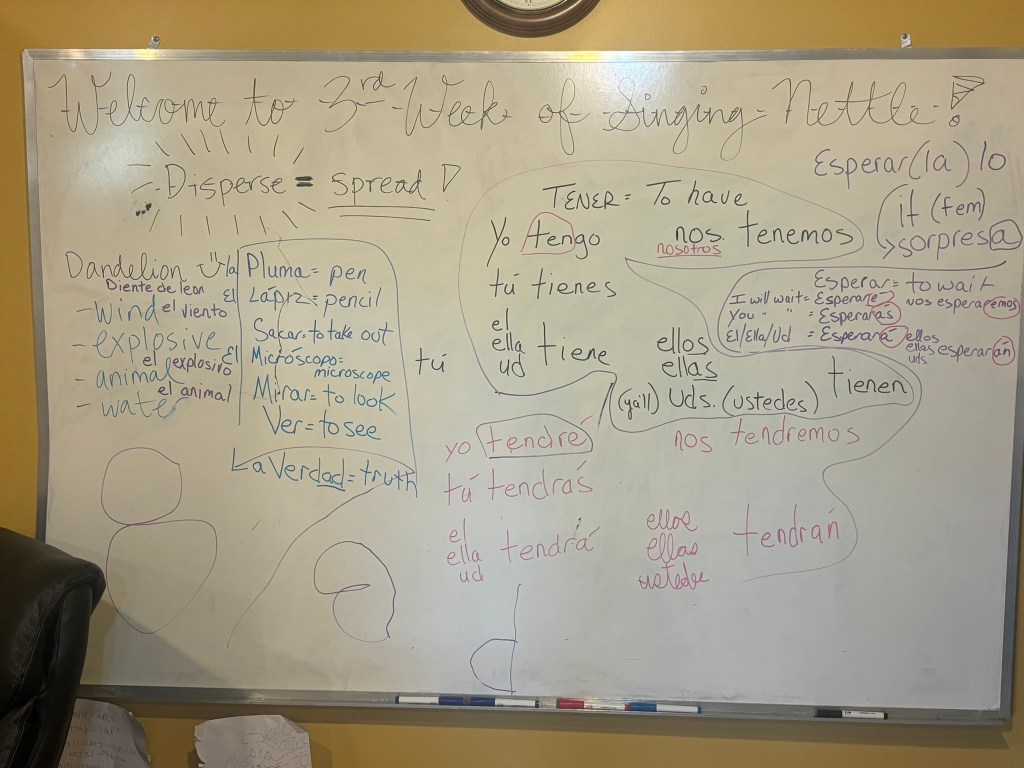
We had another wonderful Wednesday here at Singing Nettle Forest Stewards! We learned about conjugating tener, which is “to have” in Spanish. We also made flash cards to practice common Spanish phrases, like “how are you?” (como estas?), “what is your name?” (como se llama?), etc. 🙂
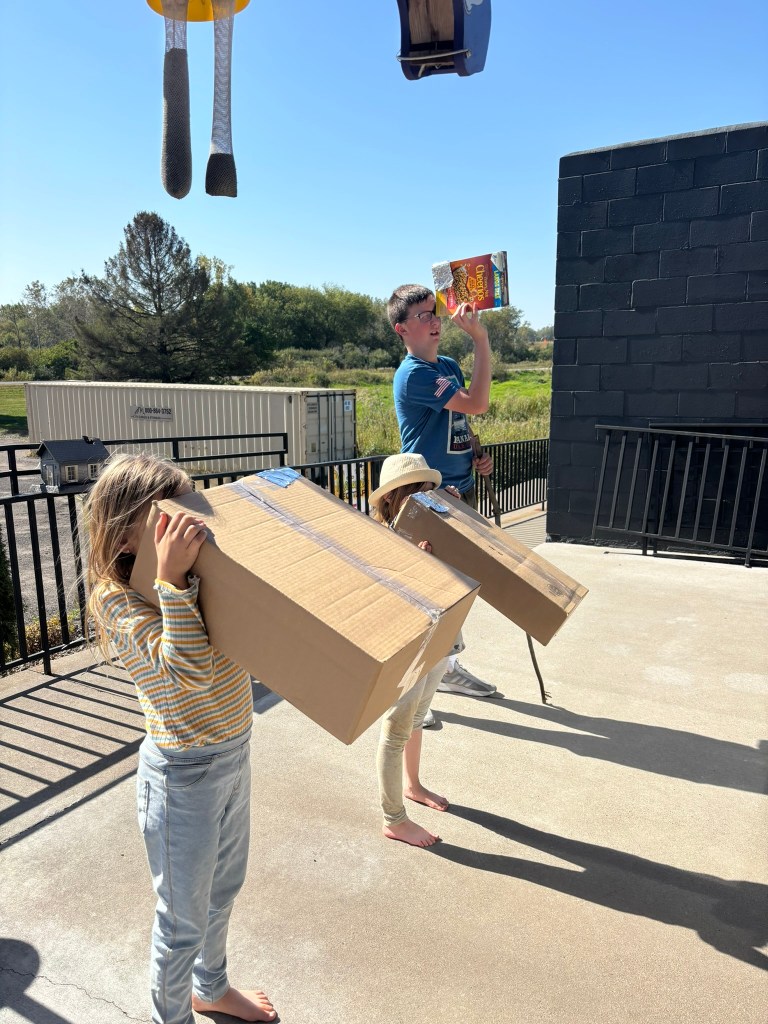
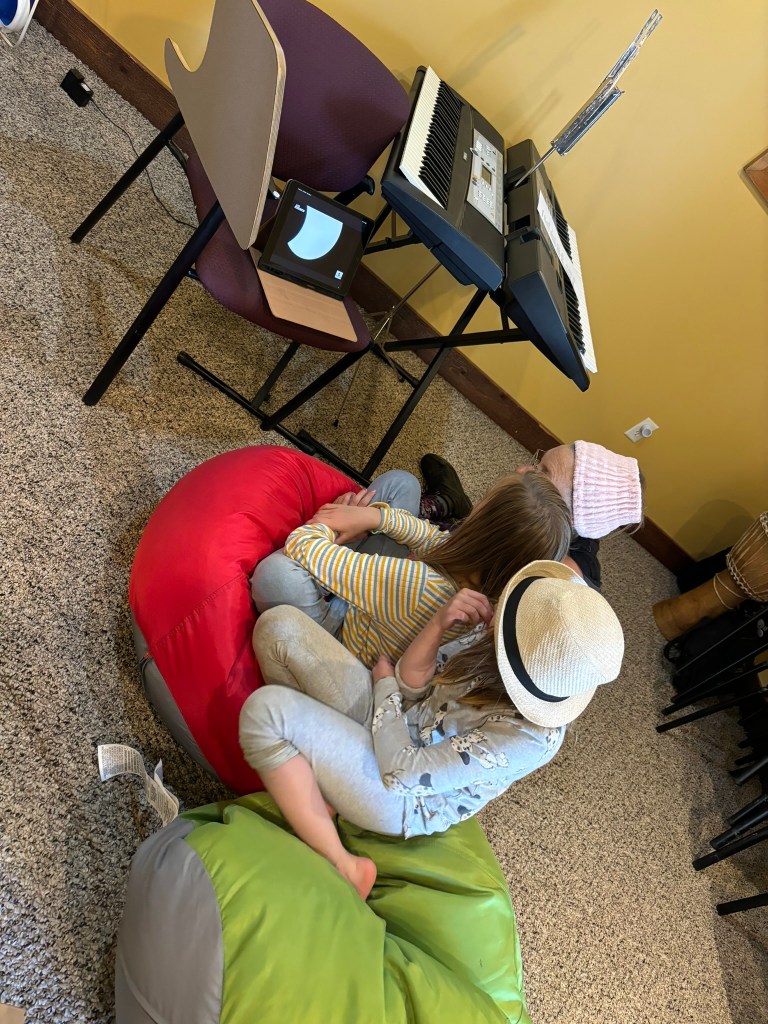
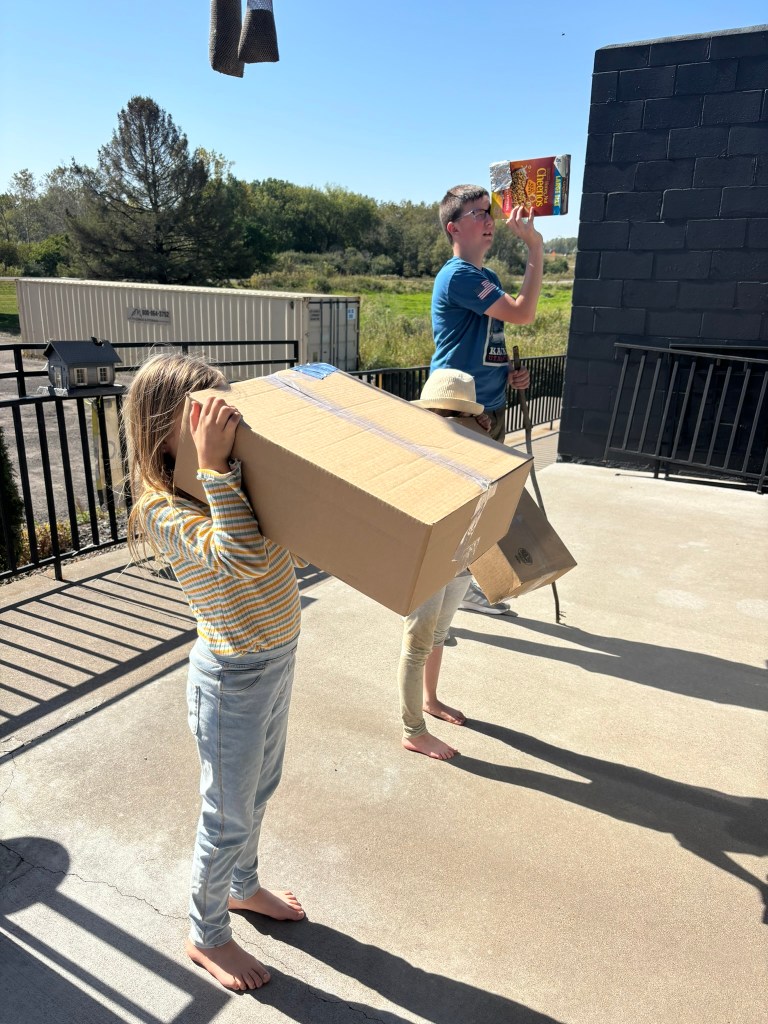
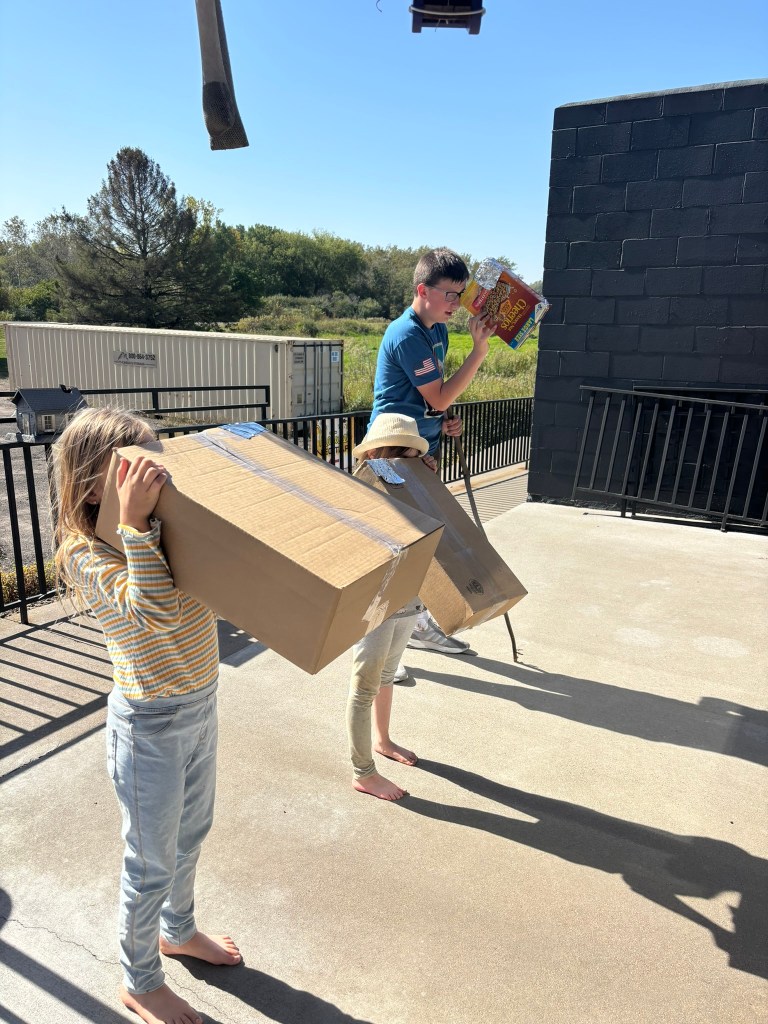
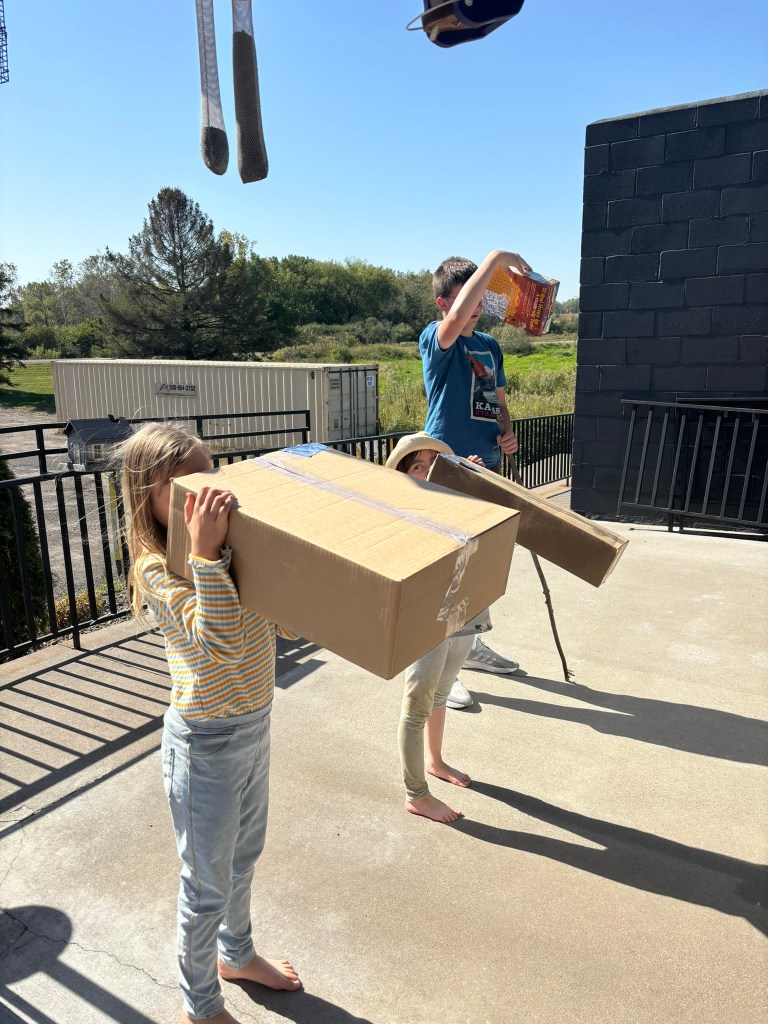
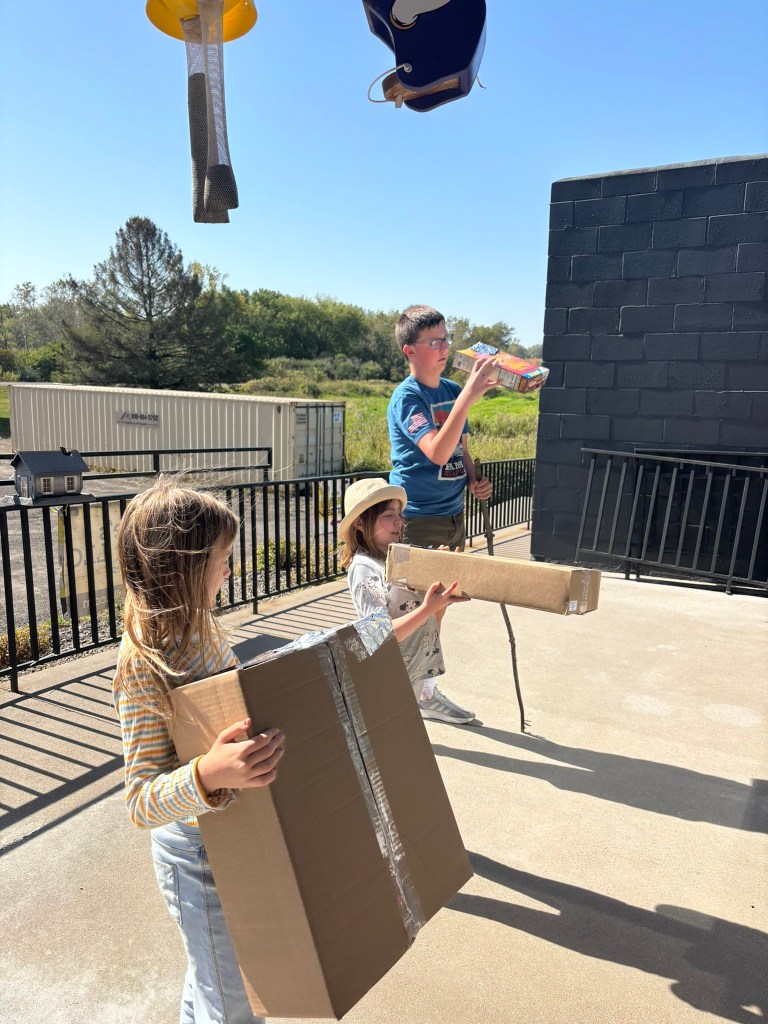
We were excited to learn that today marked the partial solar eclipse! We made eclipse viewing boxes to view the partial solar eclipse, but unfortunately learned afterwards that Minnesota was not in the path or line of viewing for this eclipse! It was still fun to make viewing windows from cardboard boxes, aluminum foil, and paper! We watched a live YouTube version of the solar eclipse from Chile instead. 🙂
We also learned key differences in identification for wild grapes versus Virginia creeper berries. We noticed coloration of the stems, patterning, branching or look, and other awarenesses. It is very important to see close similarities and differences between plants – it can help not only for identification but also for survival.
On the left are river grapes, and on the right are the Virginia creeper. Usually the color red is a clear warning that it might not be safe.

Sending (fuzzy and warm) blessings your way always,
~Christine Shoemaker
Director & Learning Guide of Singing Nettle Forest Stewards, 501 (c) (3)
Notable Photos from October 1st and 2nd! 🙂

 Singing Nettle Forest Stewards
Leave a comment