
(recap of 10/08 and 10/09)
October 8th
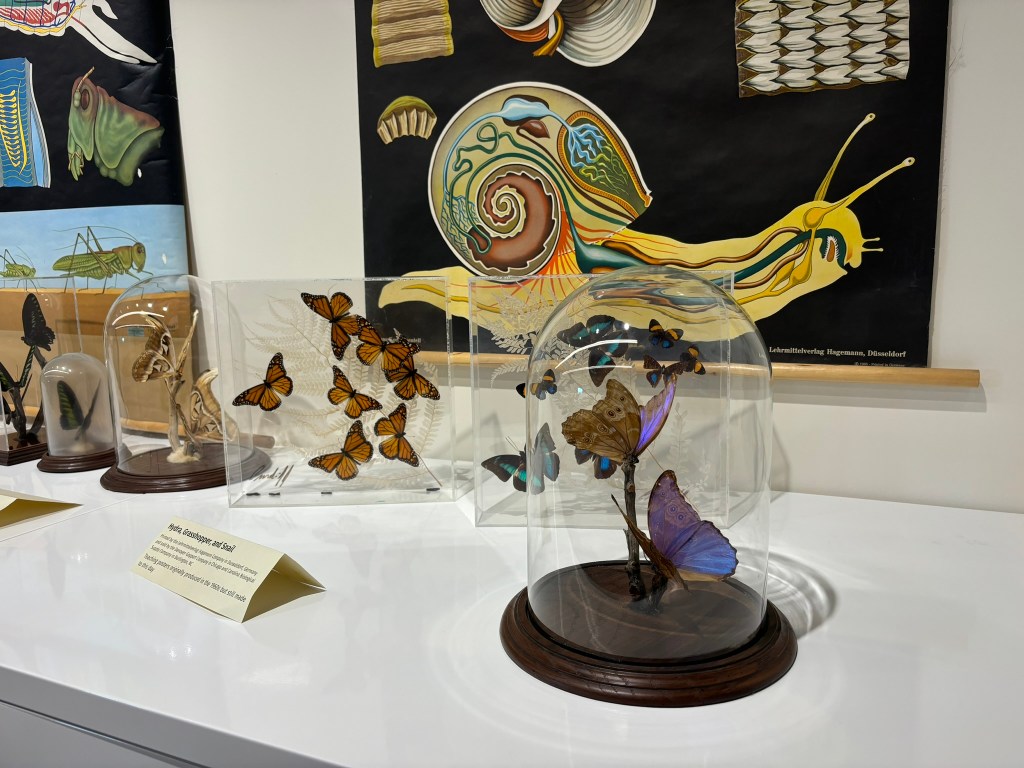
Wow! We have been having so much fun every week that now I can finally catch up to tell you all of what we’ve discovered at our beautiful nonprofit nature school / learning program, Singing Nettle Forest Stewards!!!!
We like anything related to nature, music, and Spanish!
–
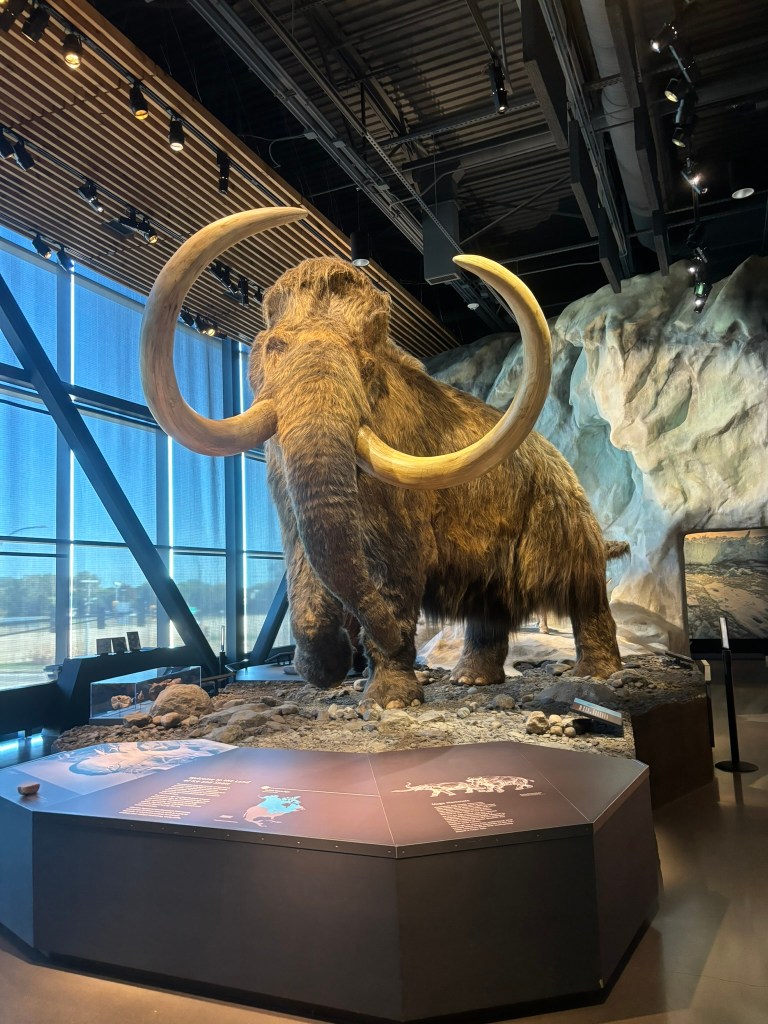
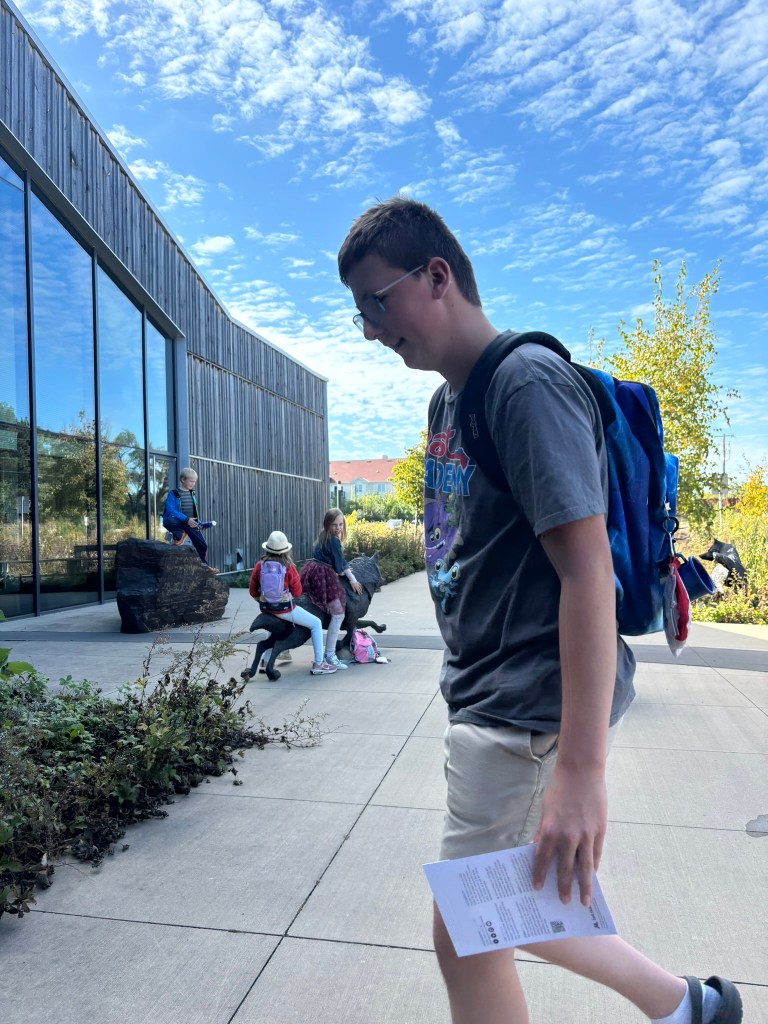
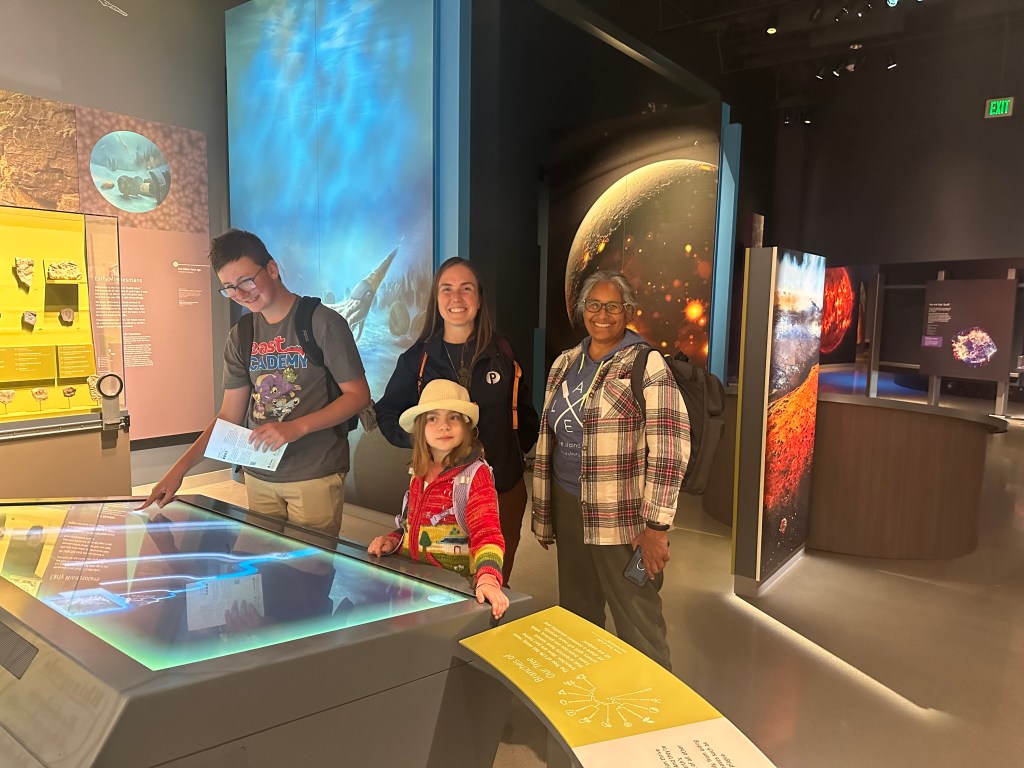
On October 8th, we had our first SNFS Field Trip to the Bell Museum, located on the University of Minnesota’s campus and features a life-size model of a woolly mammoth!
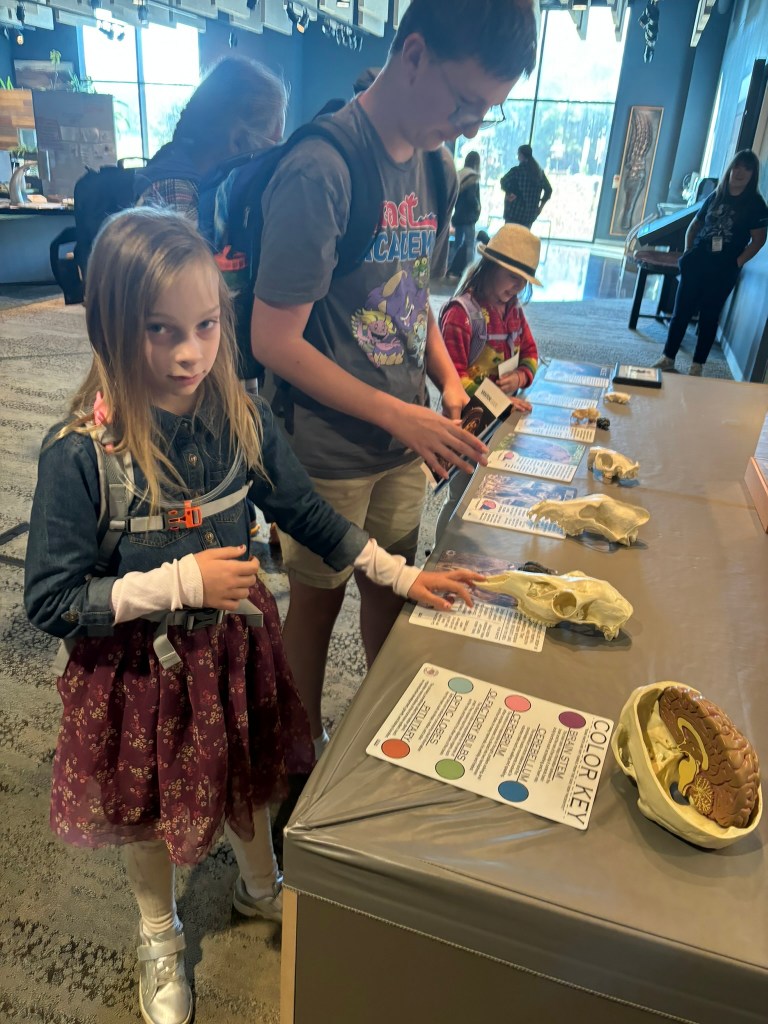
Below is a photo of our steward holding a fur pelt of a possum! We really like fur pelts! 🙂 Fun fact: our school has a lot of fur pelts and skulls to study and observe more carefully!
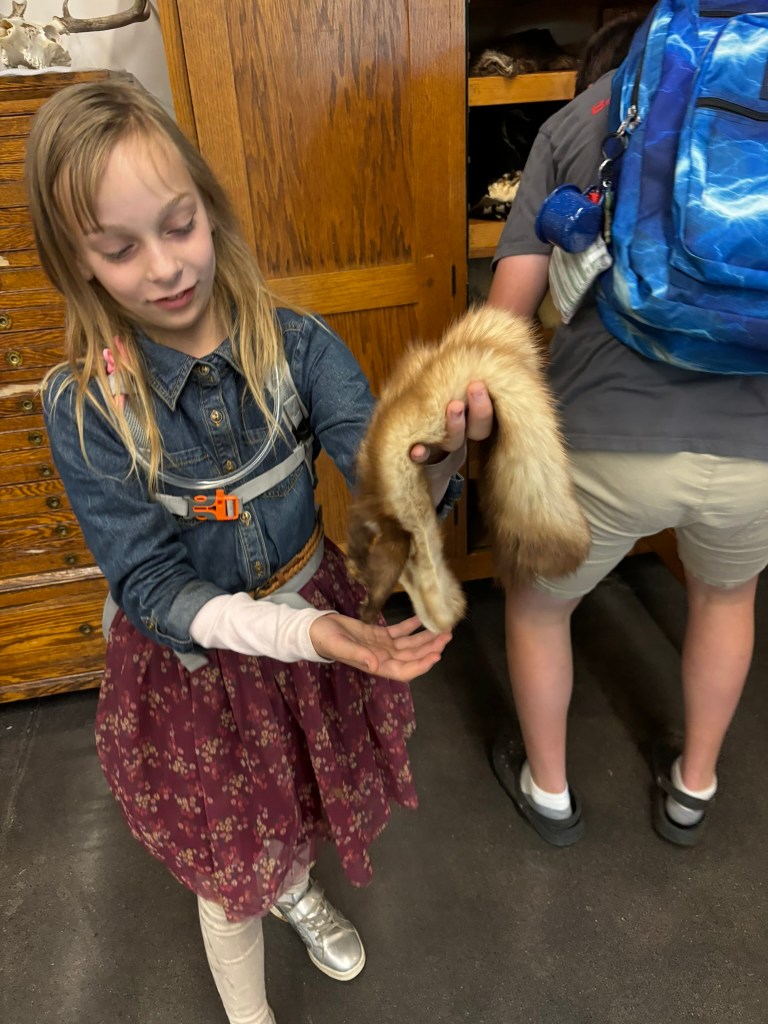
Here are three of the forest stewards examining the pelts in more detail!

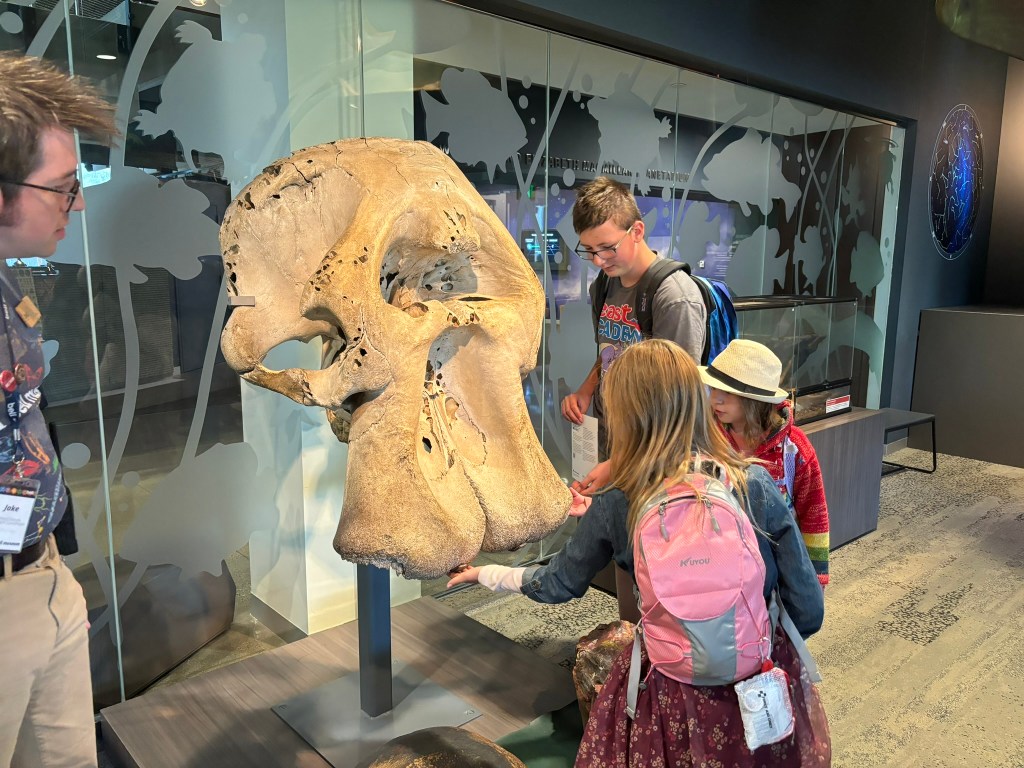
Stewards had to guess what type of animal the skull was from in the photo below! Some guessed the woolly mammoth, but the answer was an elephant skull! It was so interesting to feel the ridges and grooves on the area where tusks grew from.
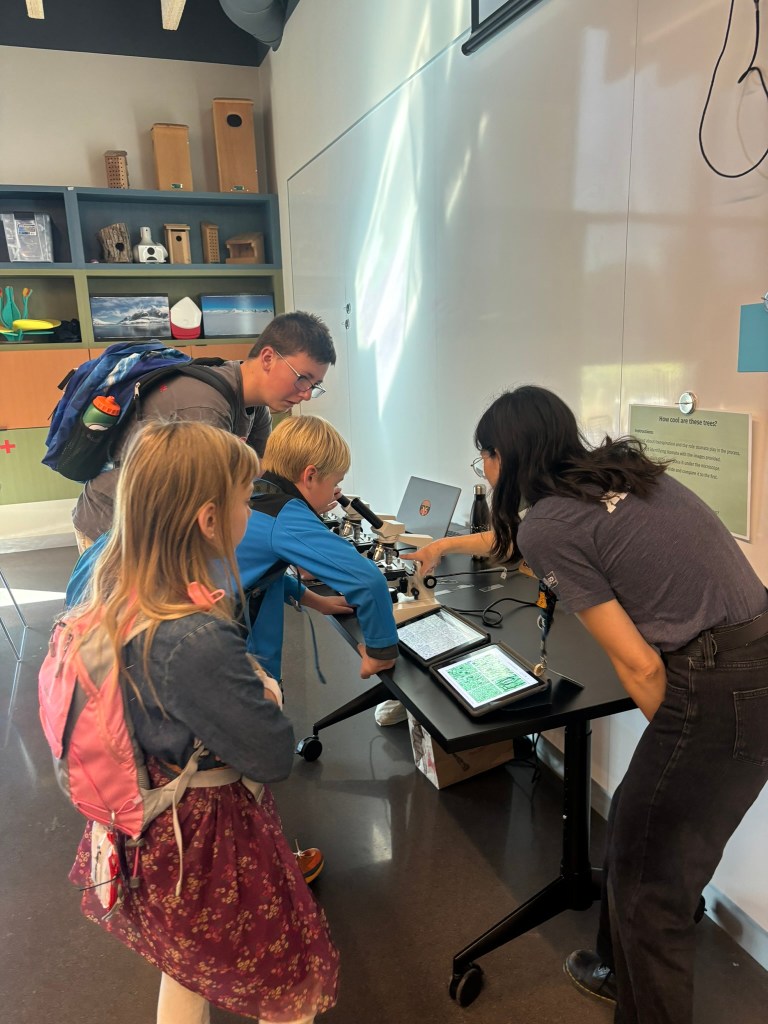
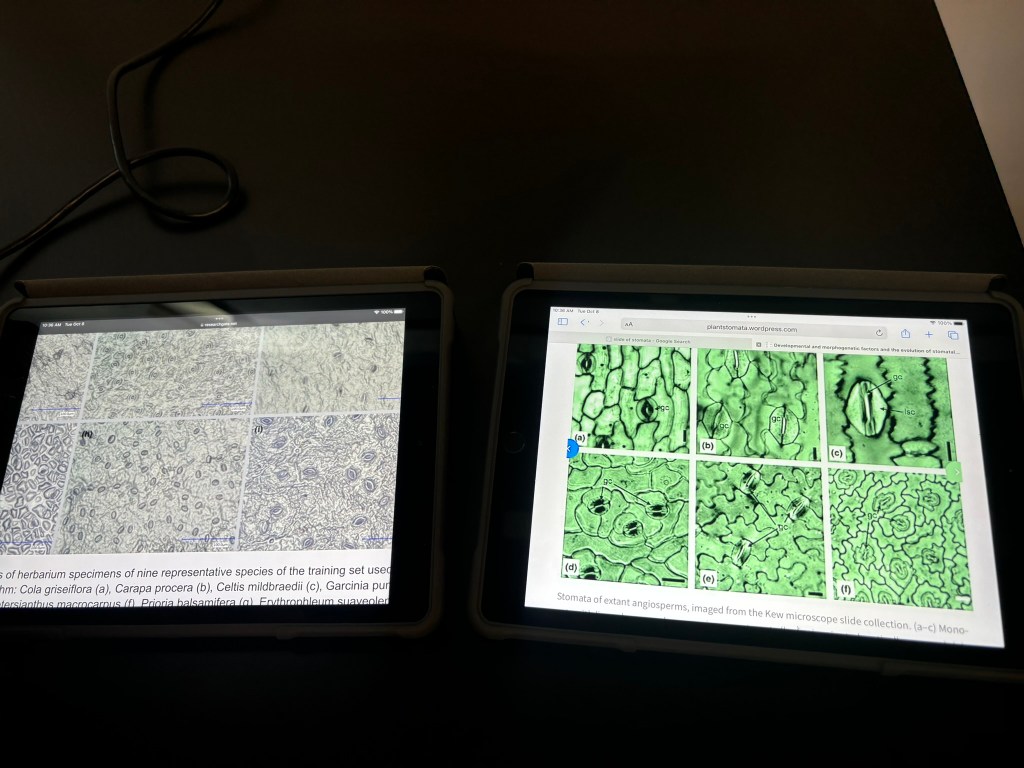
Stewards were using a microscope to observe stomata from angiosperms and slides from different tree species!
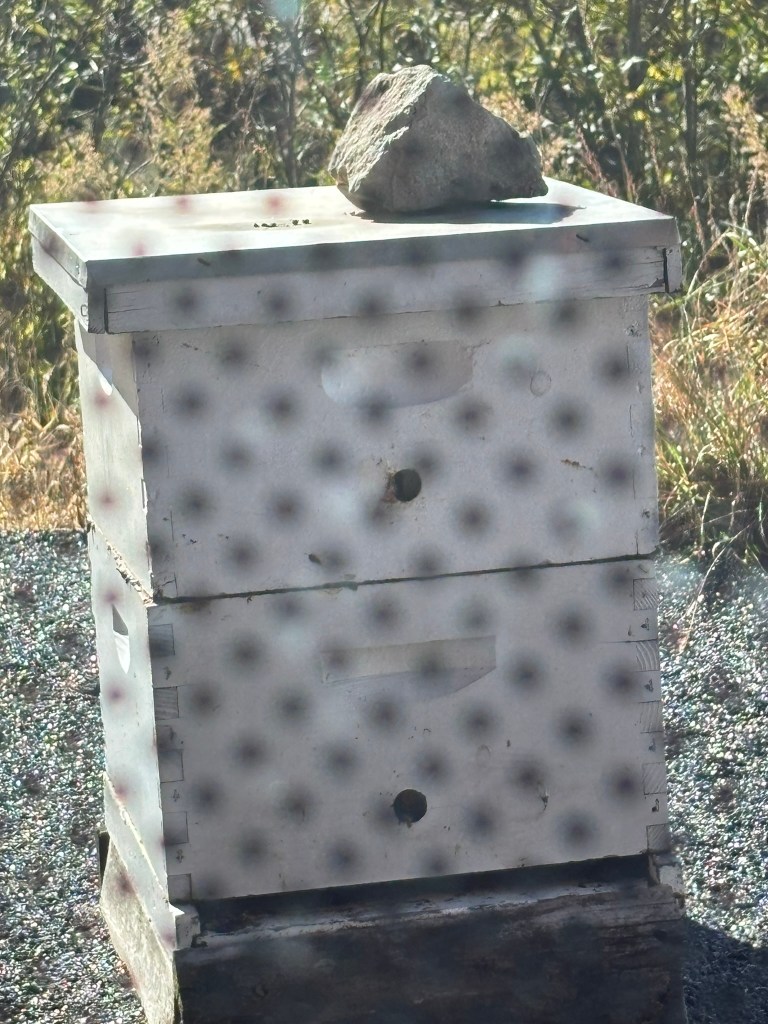
The Bell Museum had two beehives courtesy of the U of M Bee Lab and U of M Bee Squad!
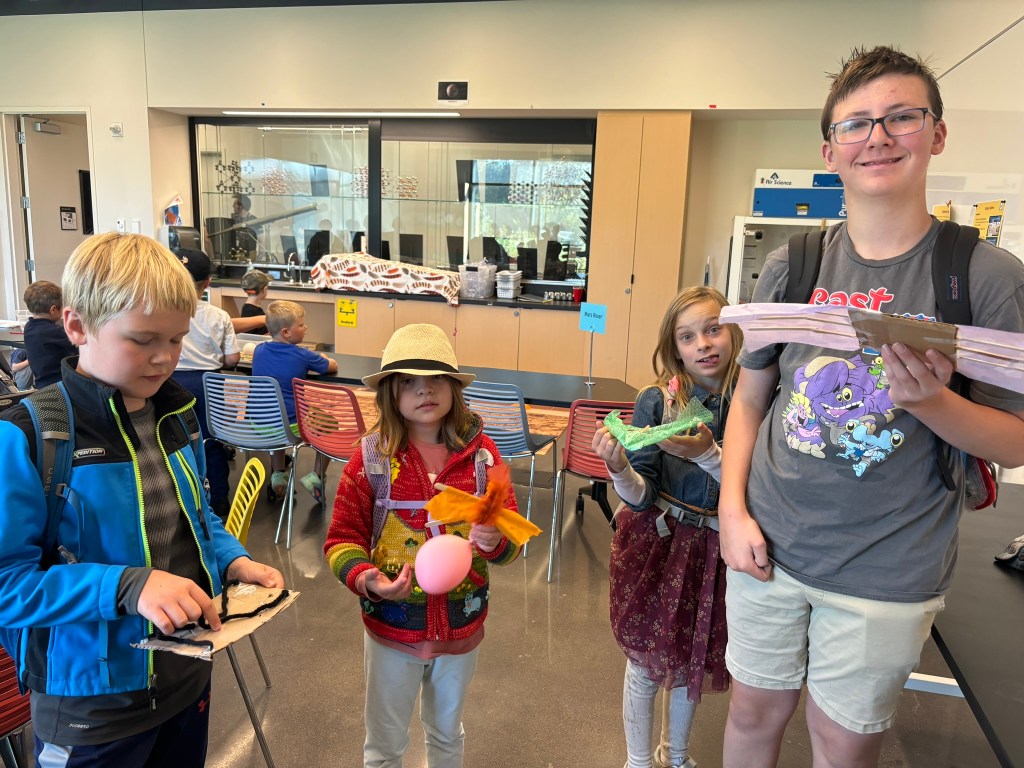
We went into a lab activity room at the Bell Museum and each of our stewards had the opportunity to make a glider inspired by nature! We learned that a lot of modern-day inventions have been inspired by gliders found in nature, like Sugar Gliders (a “flying” or “gliding” mammal that is found in Northern Minnesota and Wisconsin), and others!

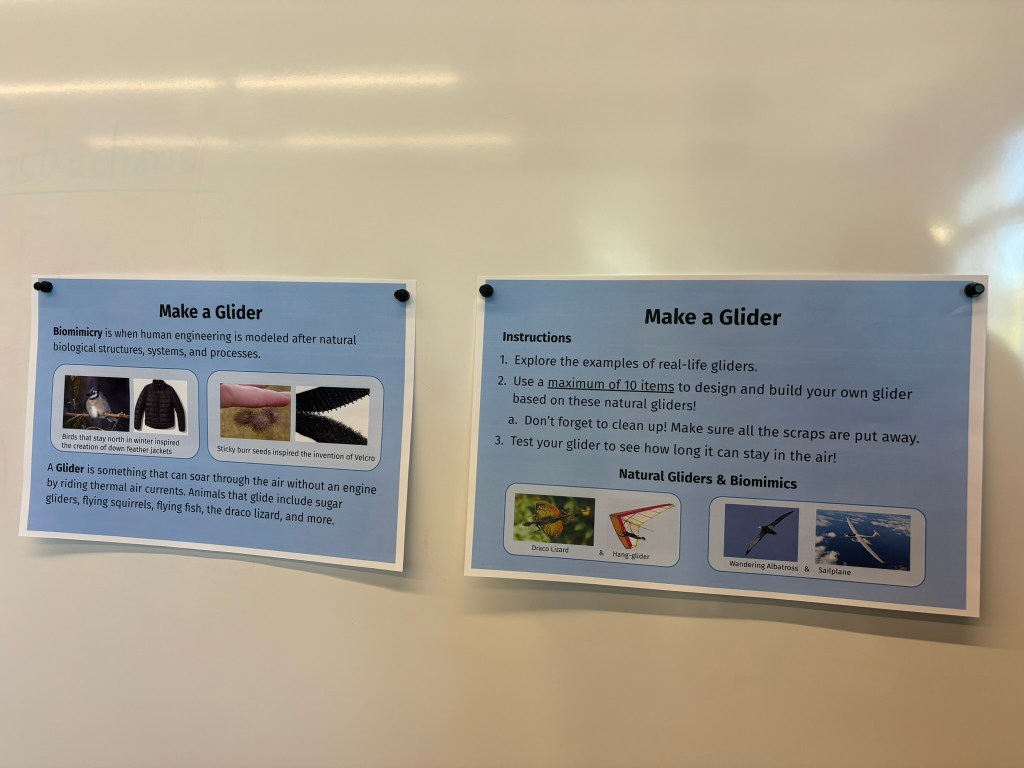
In the photo below, a very generous field trip chaperone and homeschool educator of over 30 years, Karen Voy, was helping our stewards build gliders in the Bell Museum lab! 🙂
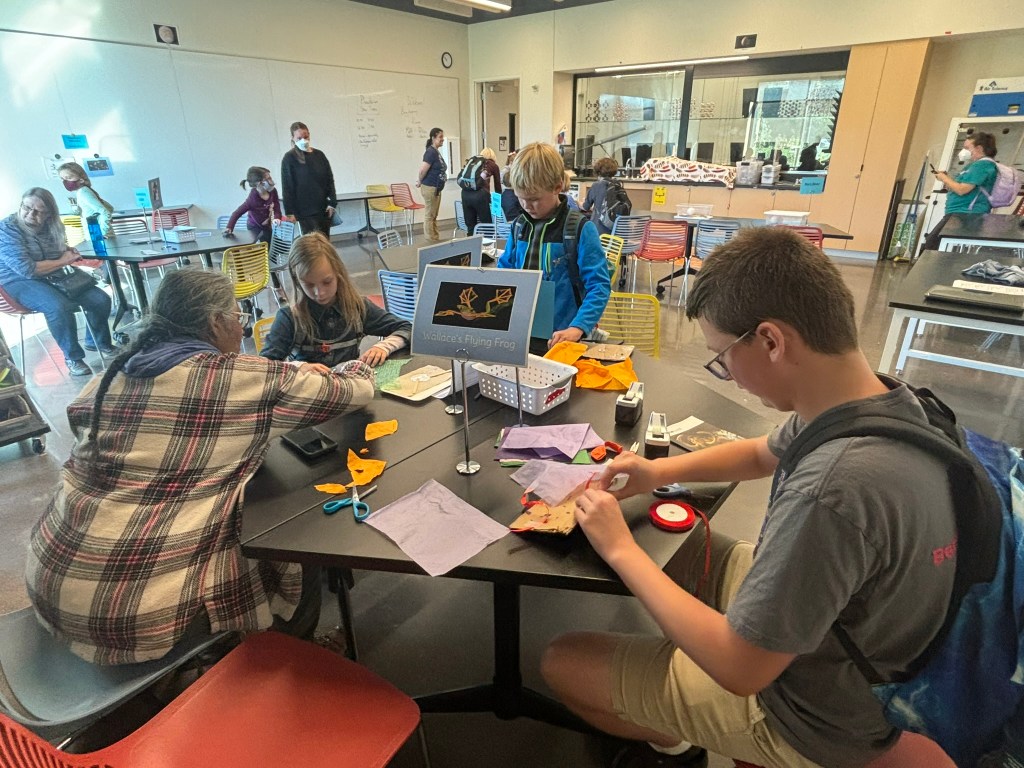
One of our stewards was pleased with making their glider! 🙂
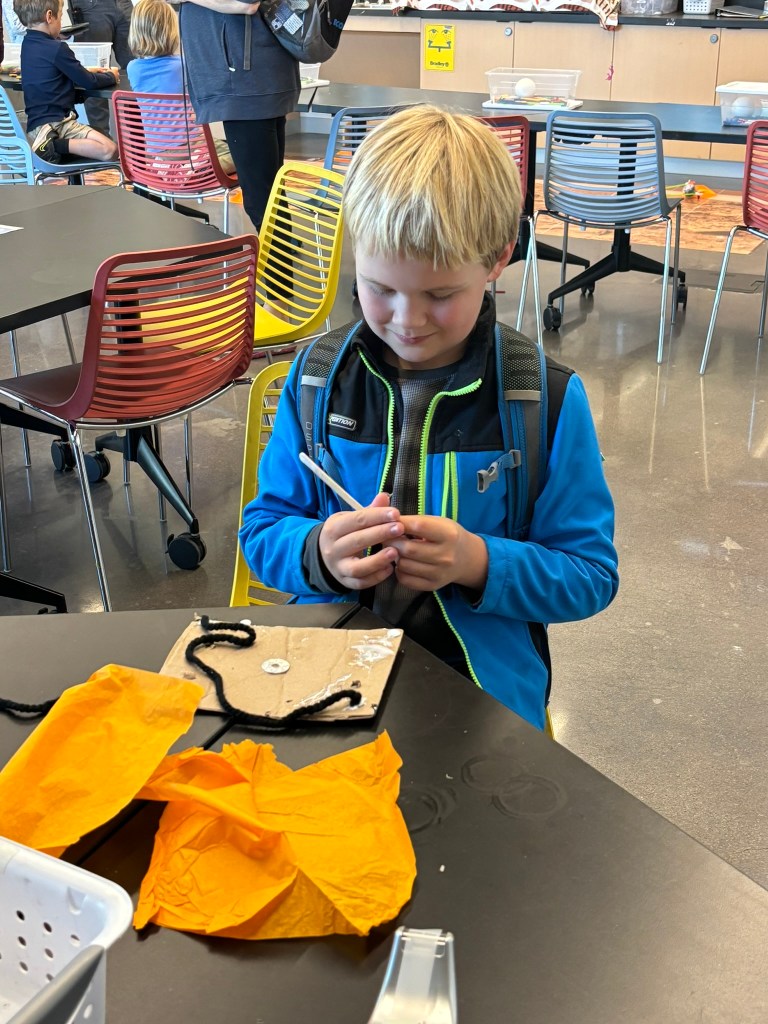
Our stewards love being goofy and silly! Hehehe 🙂
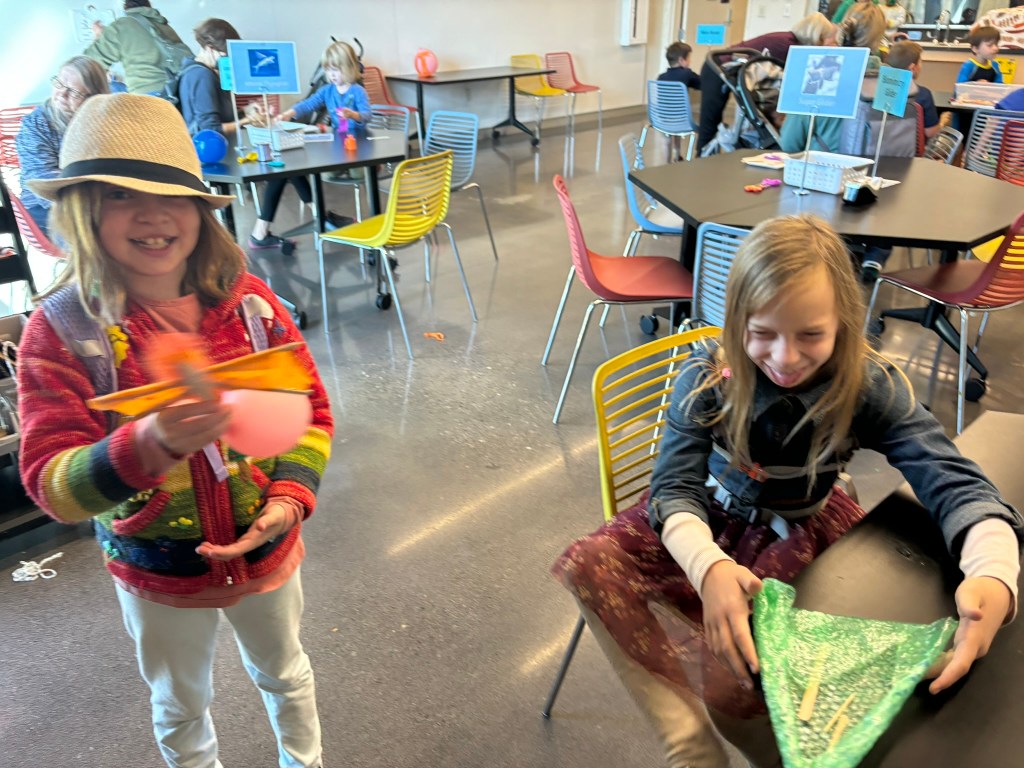
Here are our glider designs and creations!
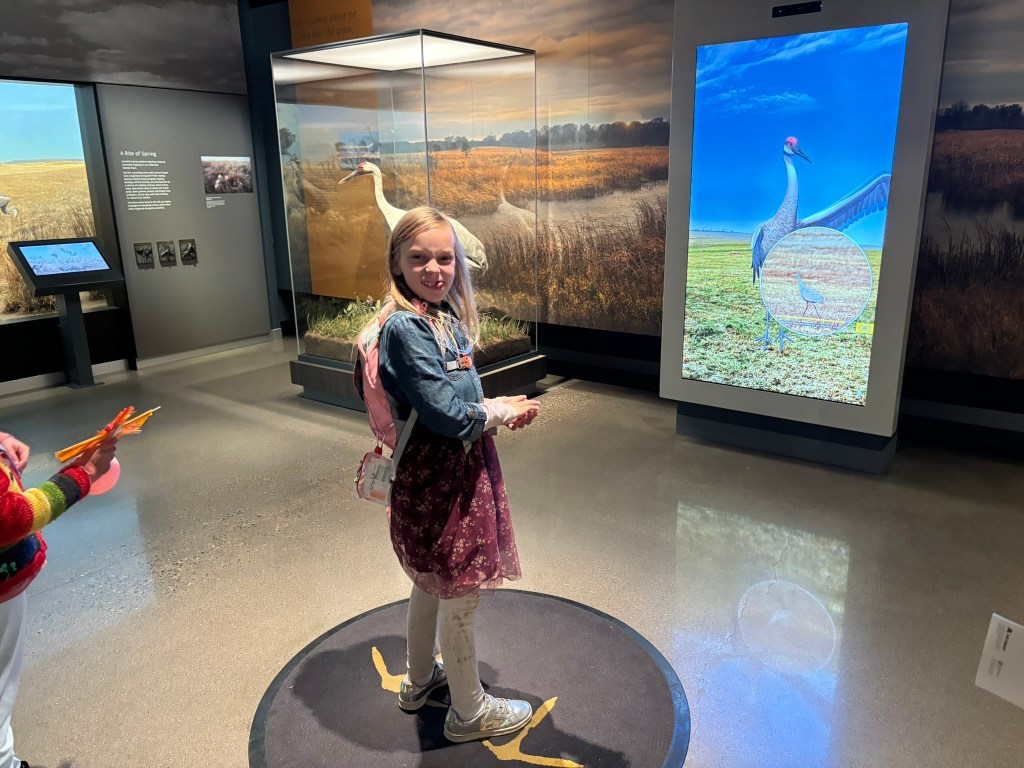
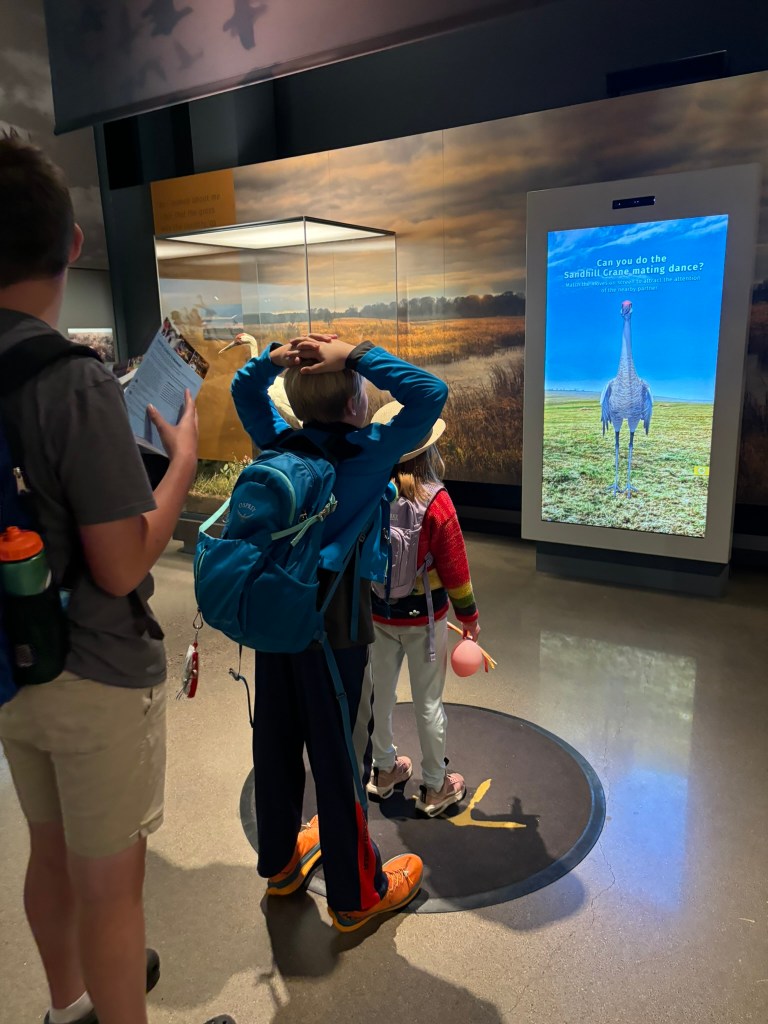
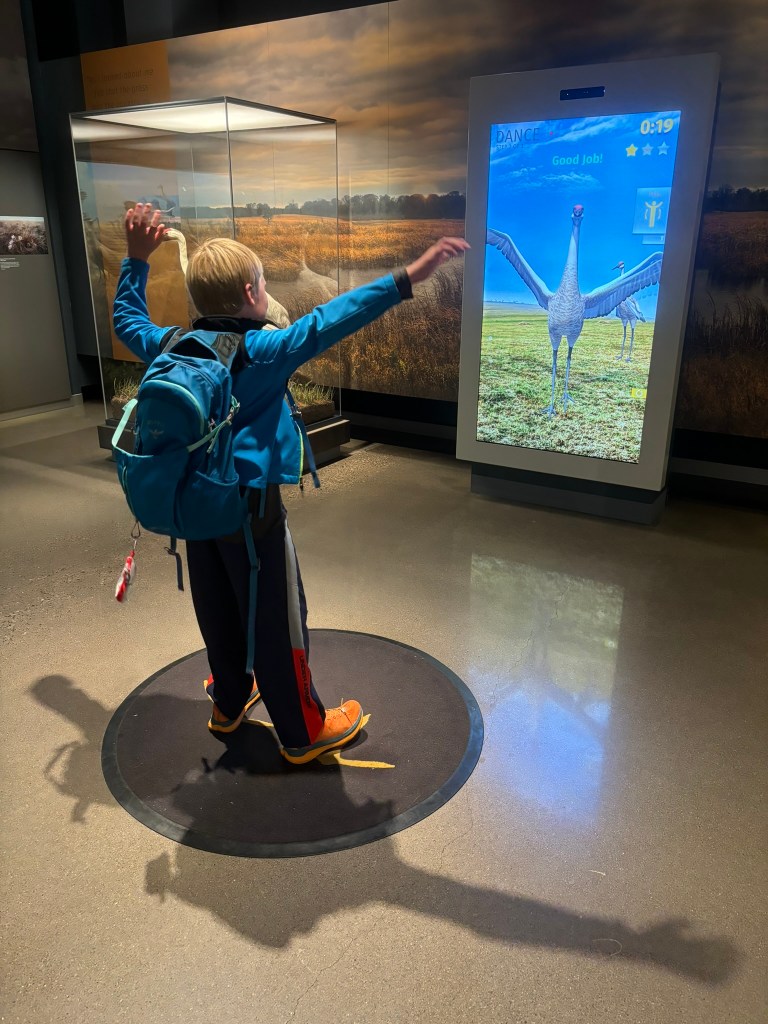
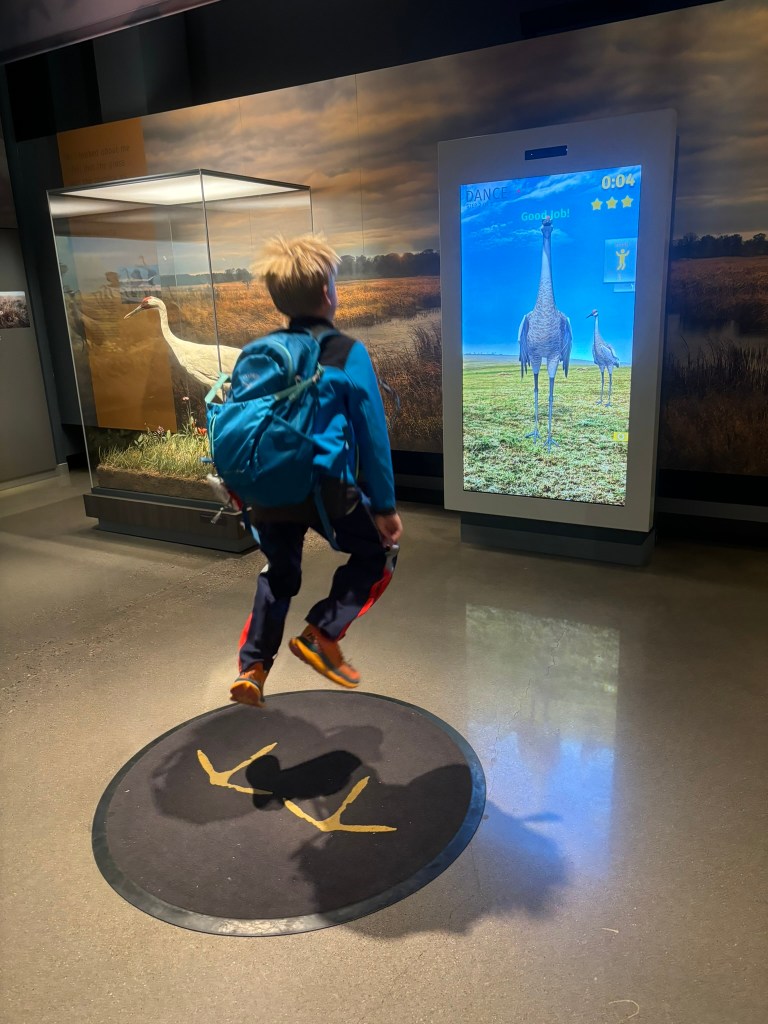
There is a sandhill crane communication and mating dance simulation at the Bell Museum, in which you can put your hands up in the air and jump like a sandhill crane! 🙂 Here are some of our stewards attempting to make sandhill crane faces, bowing, and jumping in the air! 🙂
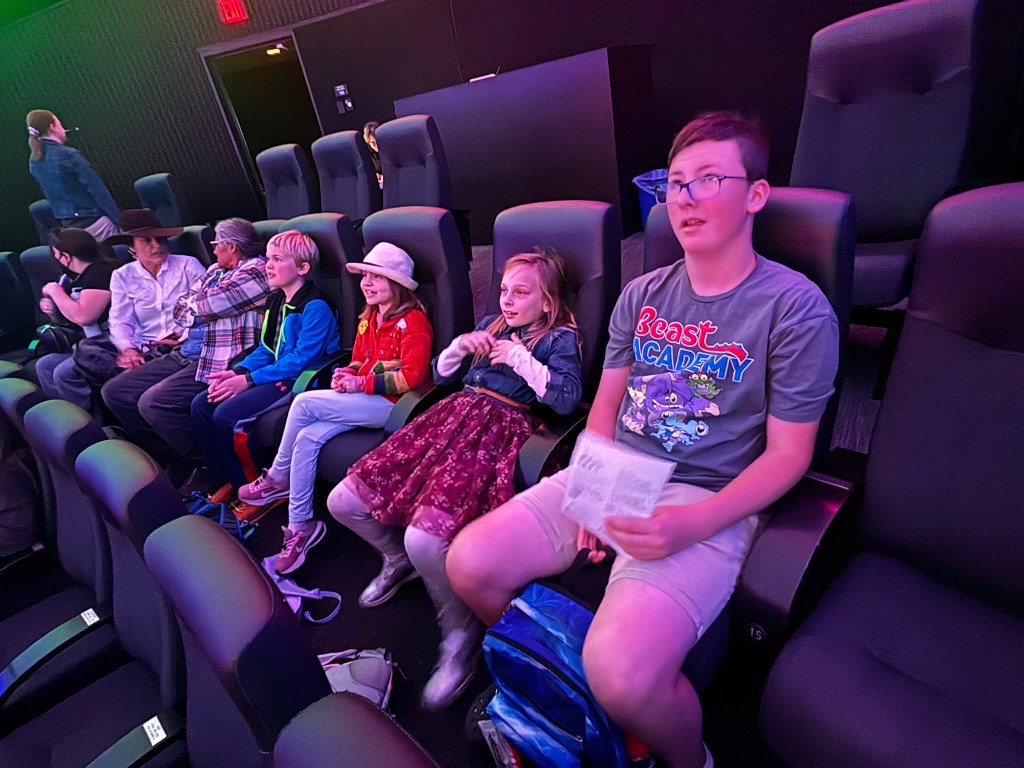
We had a Planetarium reservation at the Bell Museum! What a beautiful and expansive Planetarium! 🙂 It was fascinating to switch from light to dark from the perspective of the Bell Museum. We learned about the names of the stars, the zodiacs, and the different ways to distinguish the constellations in our night sky.
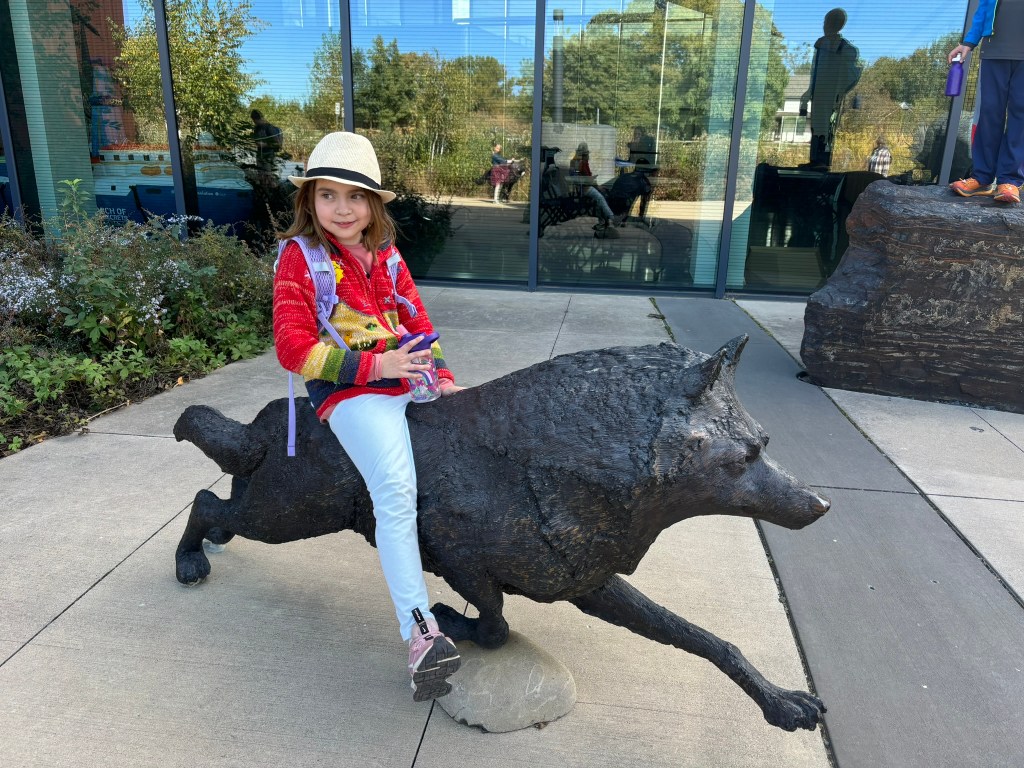
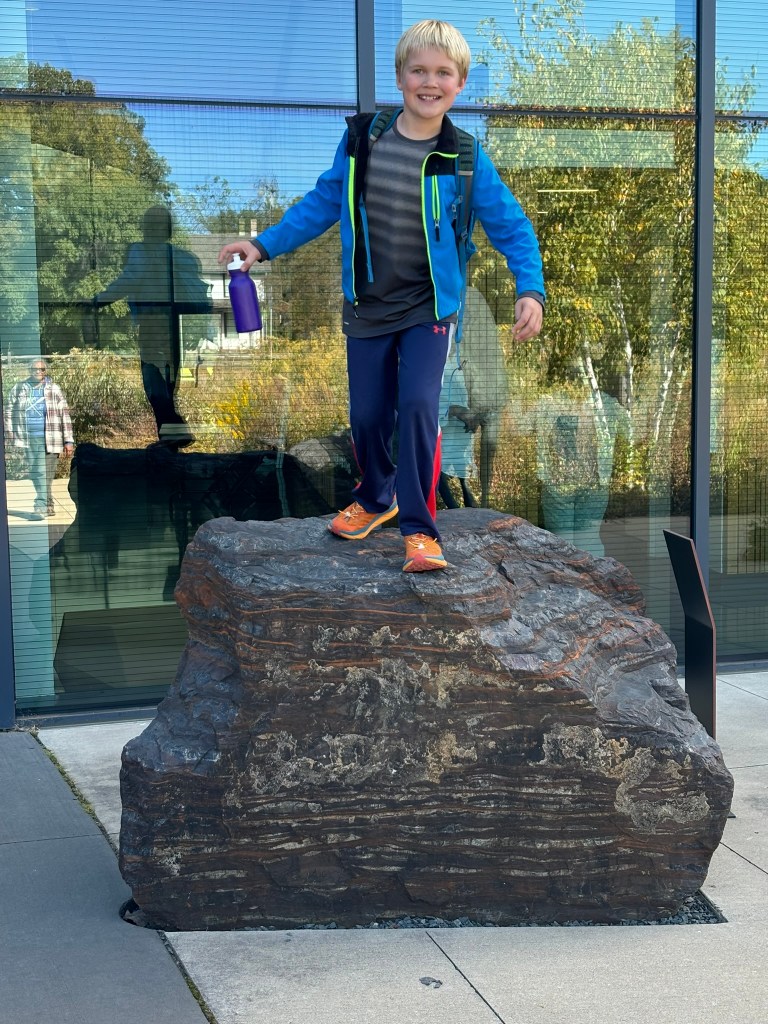
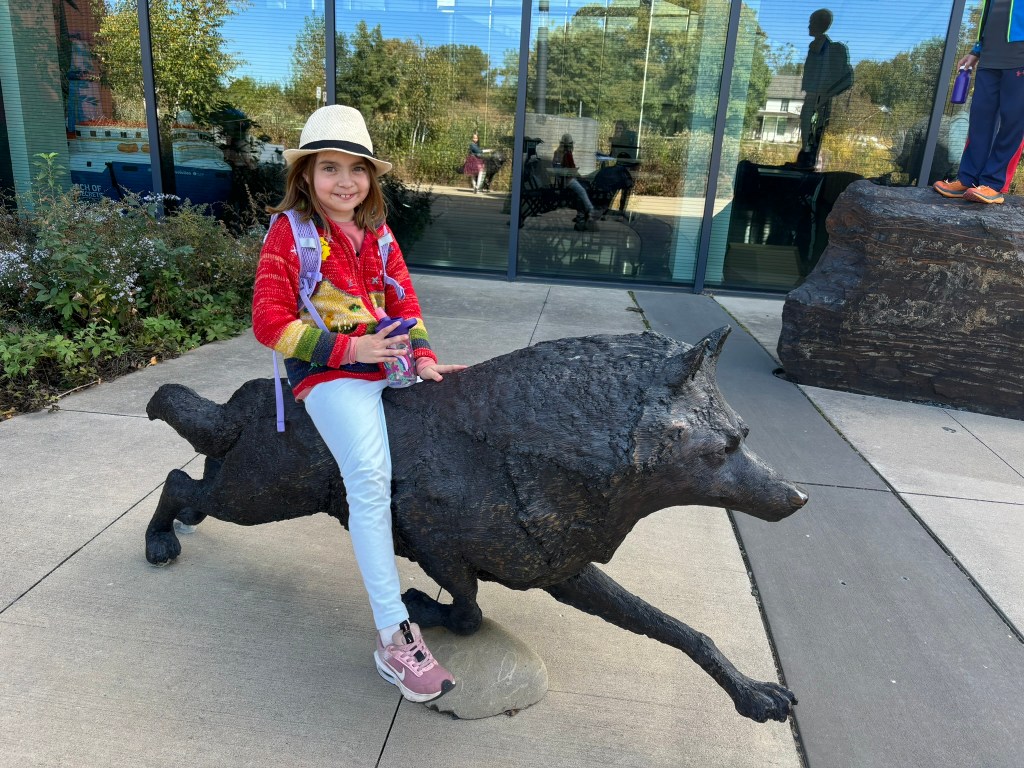
Our stewards really enjoyed the trip to the Bell Museum – we eyed the wolf sculptures outside and decided to savor the moment and explore / see the different artefacts outside! 🙂
Thank you to all of our volunteers and SNFS families for making this field trip possible! 🙂
–
October 9th
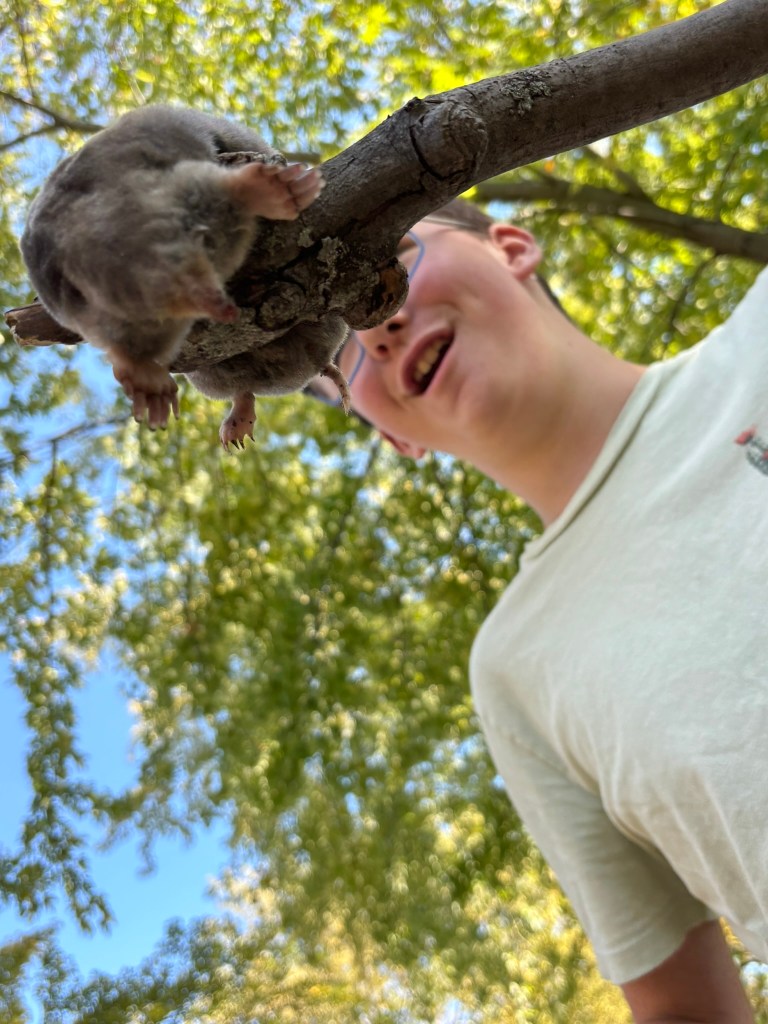
October 9th was quite a memorable day! We found such an interesting creature along the side of the Gateway Trail!
Most of the critters or animals that we discover at Singing Nettle are unfortunately dead – but perhaps we can look at it in a different light and think that it gives us more of an opportunity to observe the animals up close. 🙂
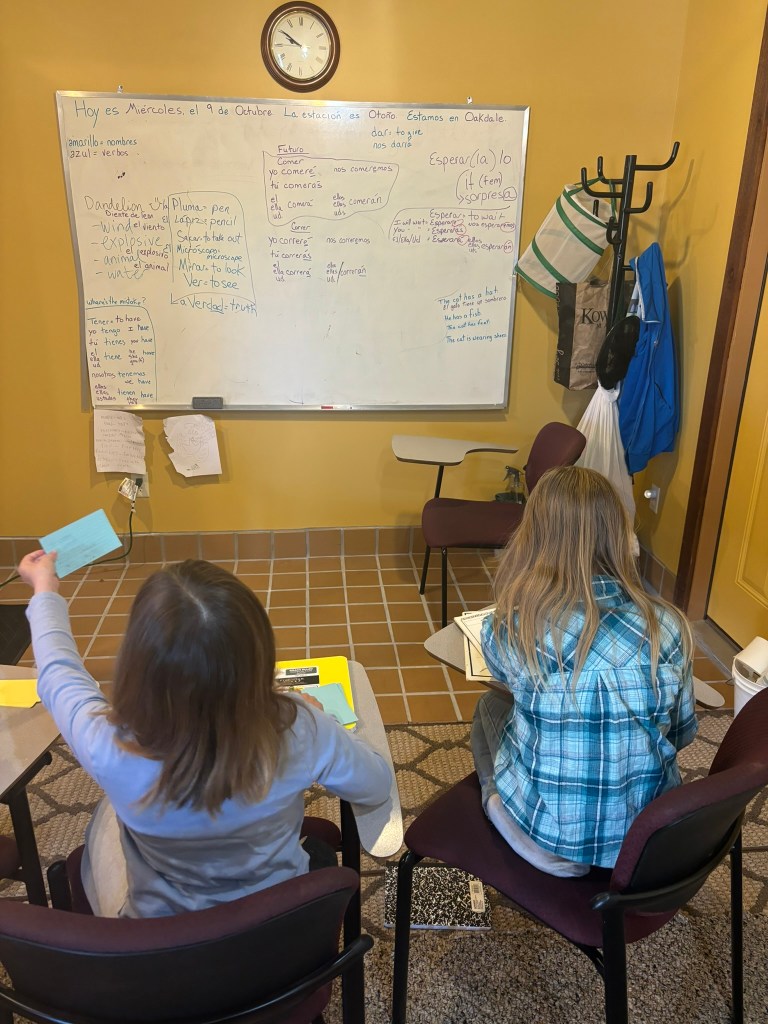
We worked on making Spanish flashcards of conversational phrases / greetings, such as, “How are you?”, “What’s your name?”, etc. 🙂
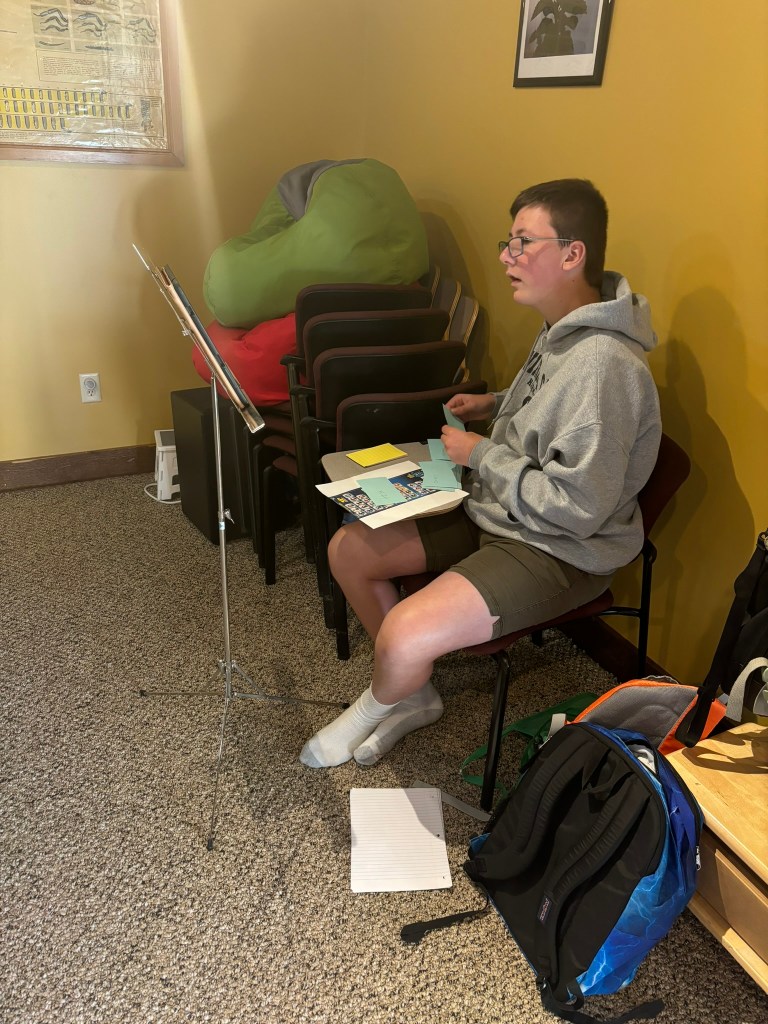
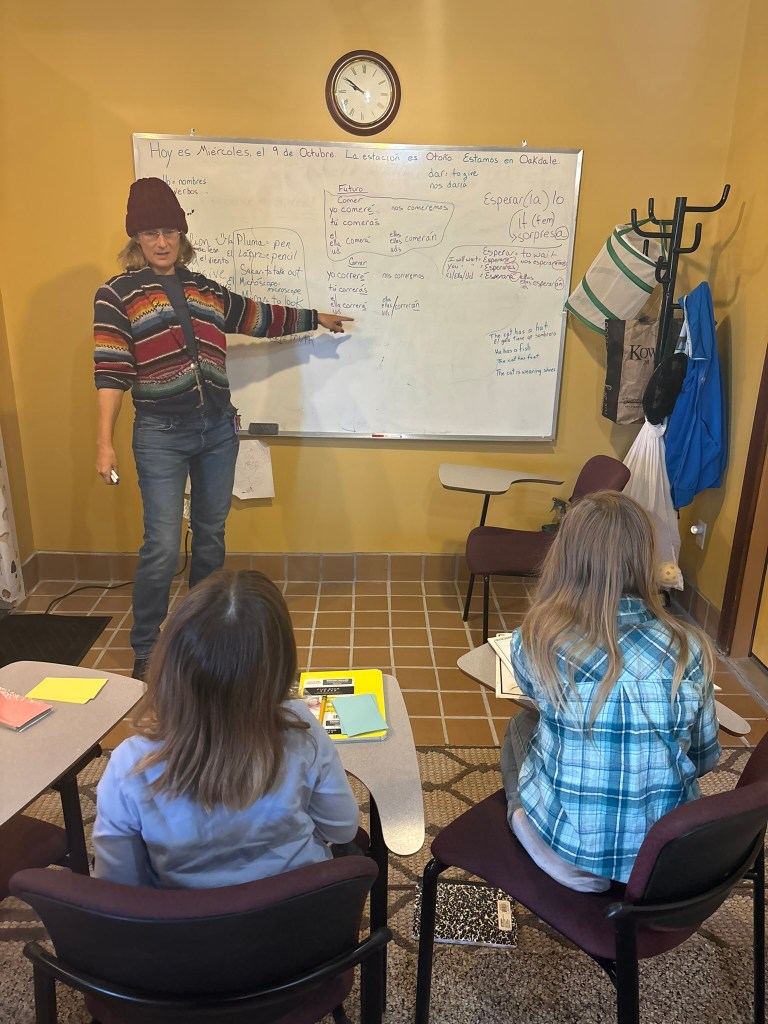
We learned about the future tense of “comer” (to eat) and “correr” (to run) in Spanish with Ms. Chris! 🙂
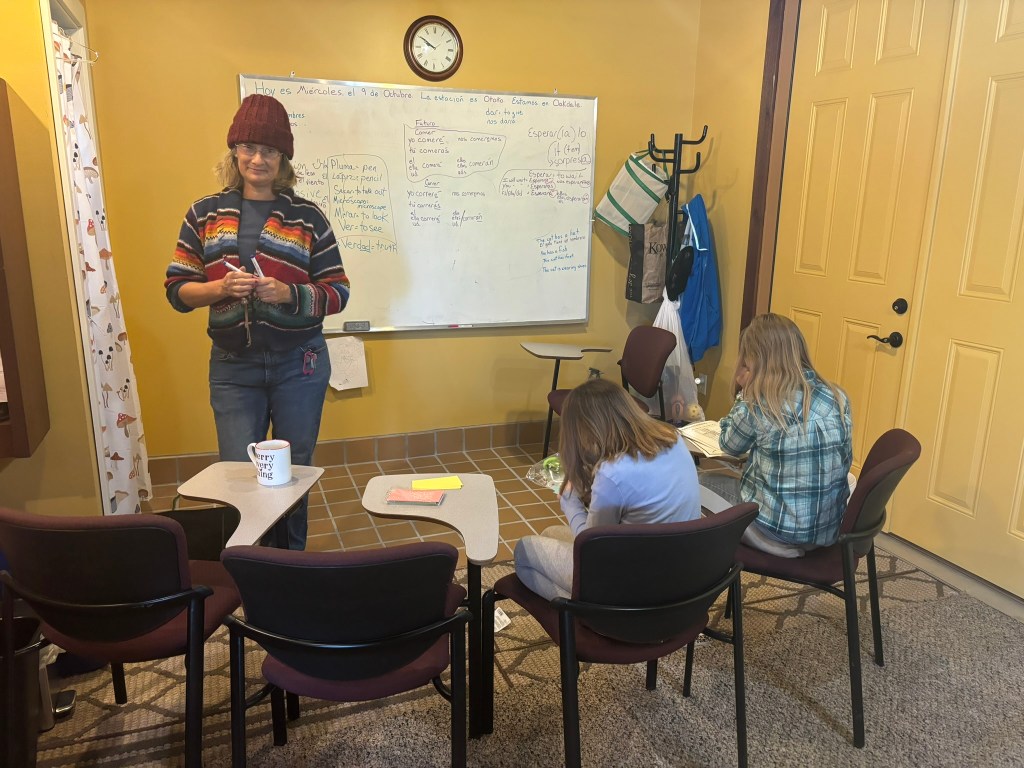
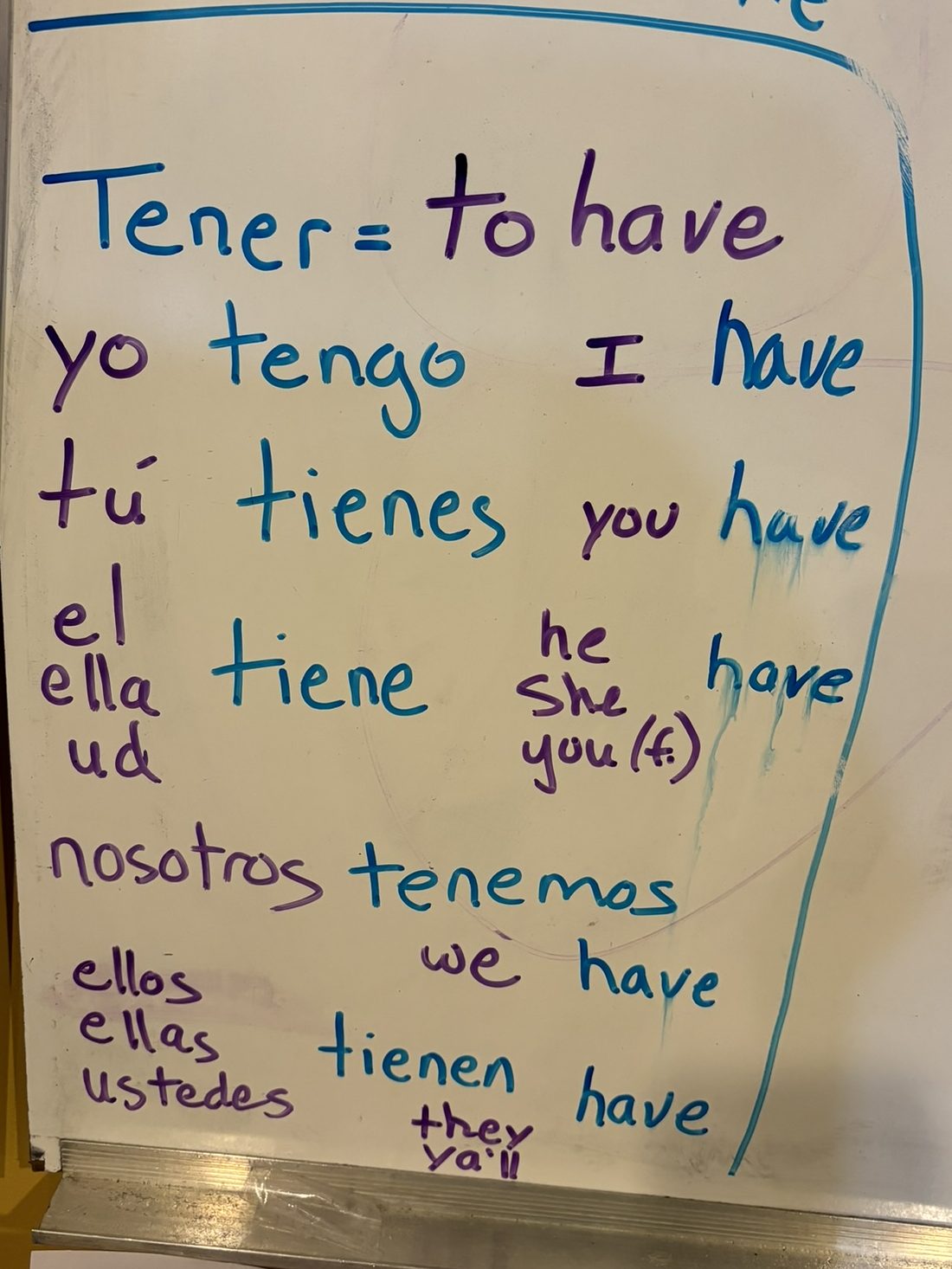
We also learned how to conjugate the verb “tener” (to have). 🙂
We also learned about Spanish vocab words related to the topics we learn at our nature program, such as types of seed dispersal (wind, water, animal, and explosive)! 🙂
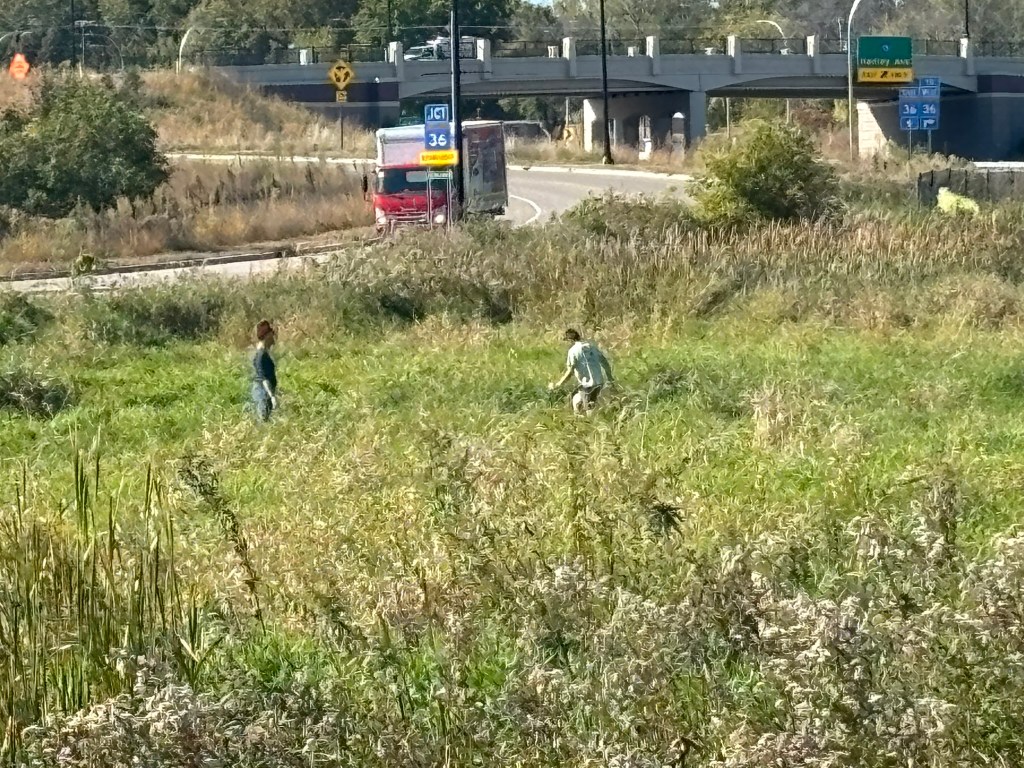
We love to play in our Grassy Knoll area during break 🙂
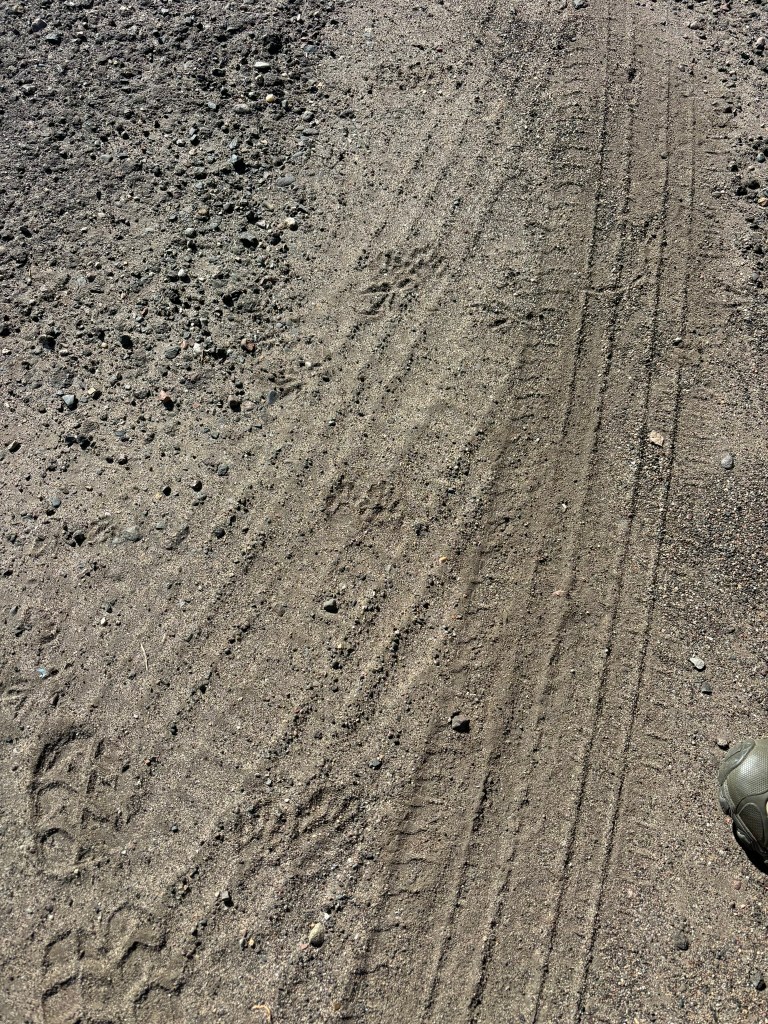
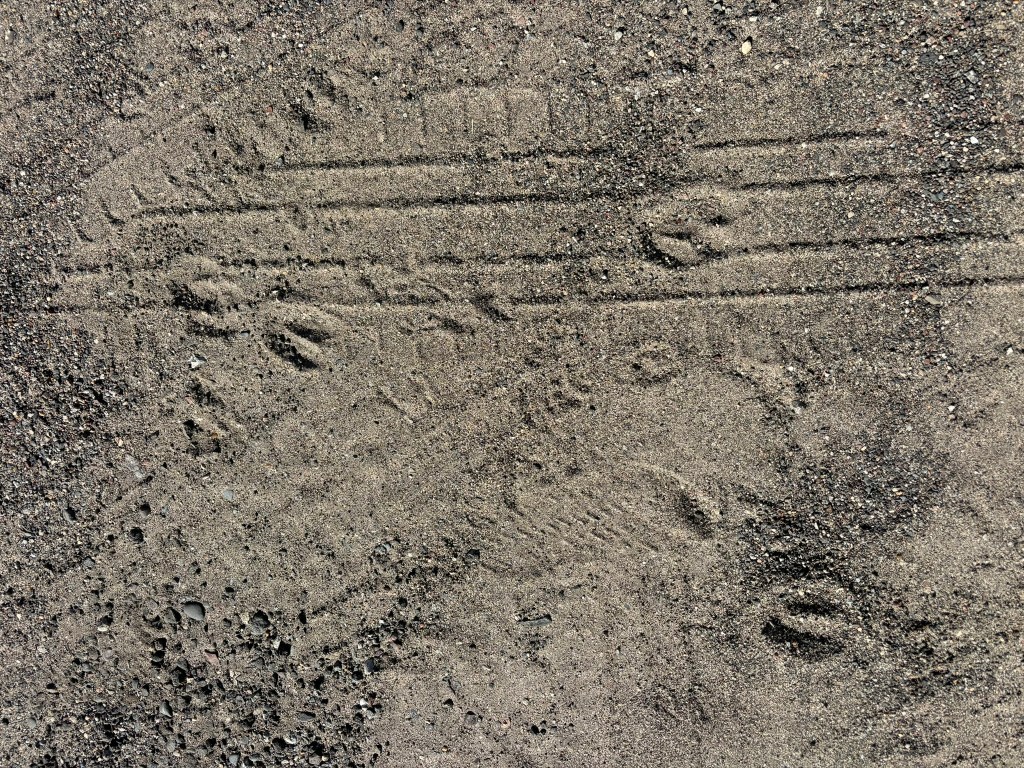
We witnessed some interesting animal tracks near the asphalt of the school!
I believe they are:
Raccoon (notice the 5-toed figuration / pattern)
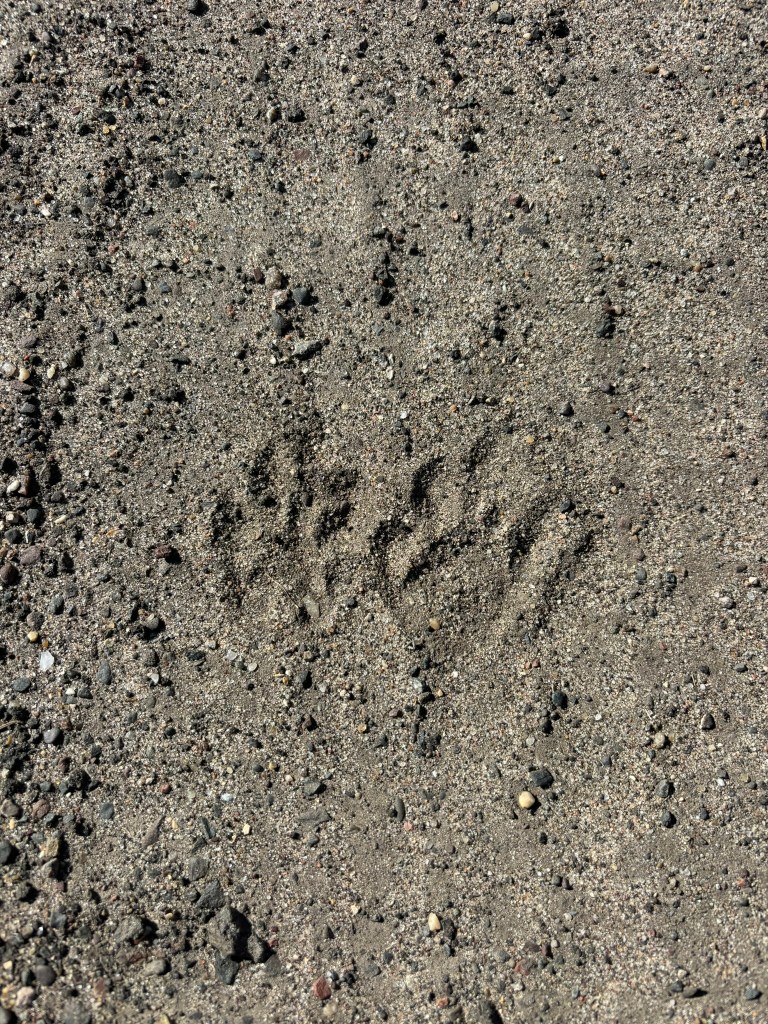
Raccoon (and human lower left hand corner hehe) – notice hind and front paws. There is some crow sprinkled in there too!
Raccoon
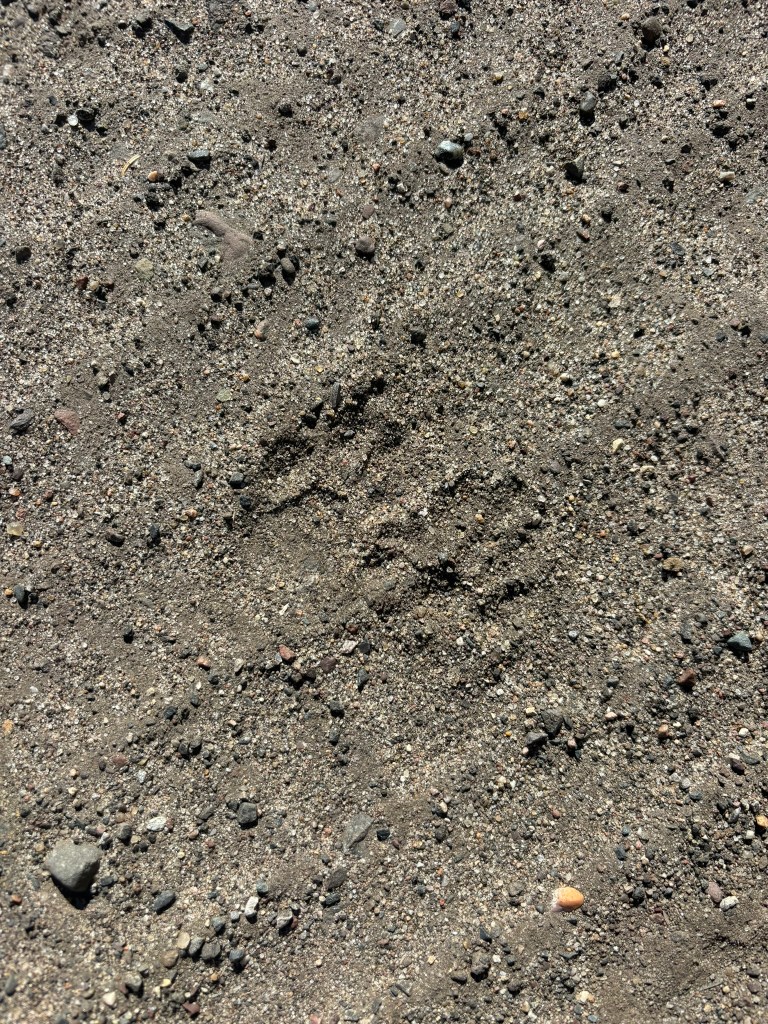
Crow!
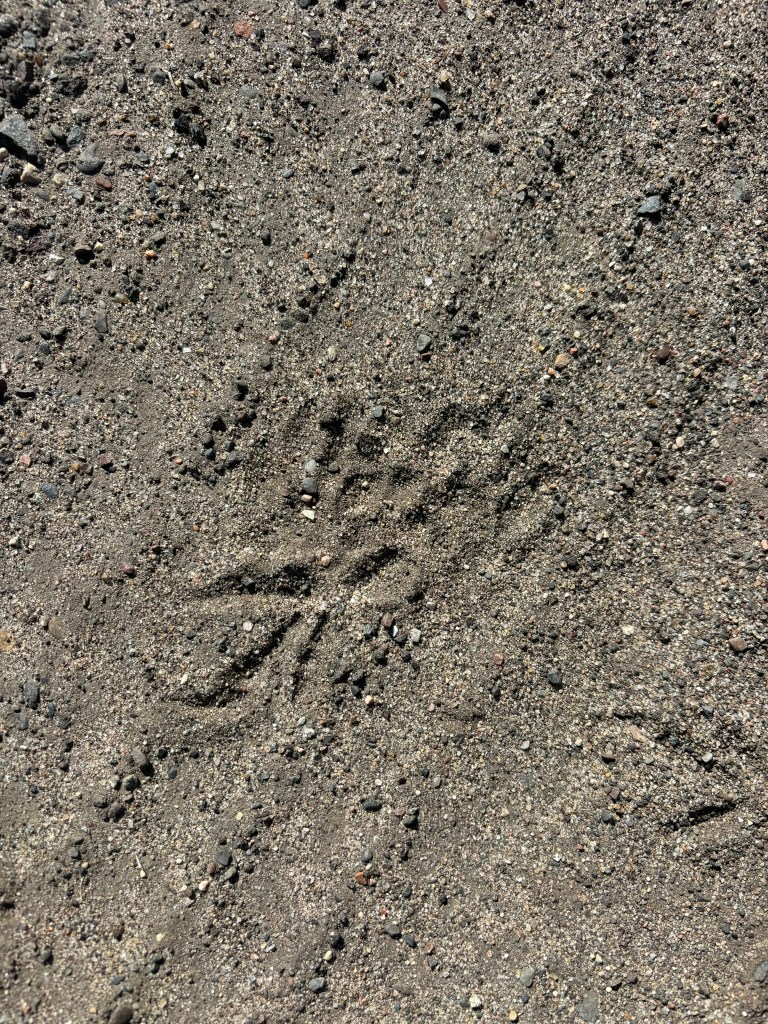
Squirrel or rabbit, probably more of a squirrel.
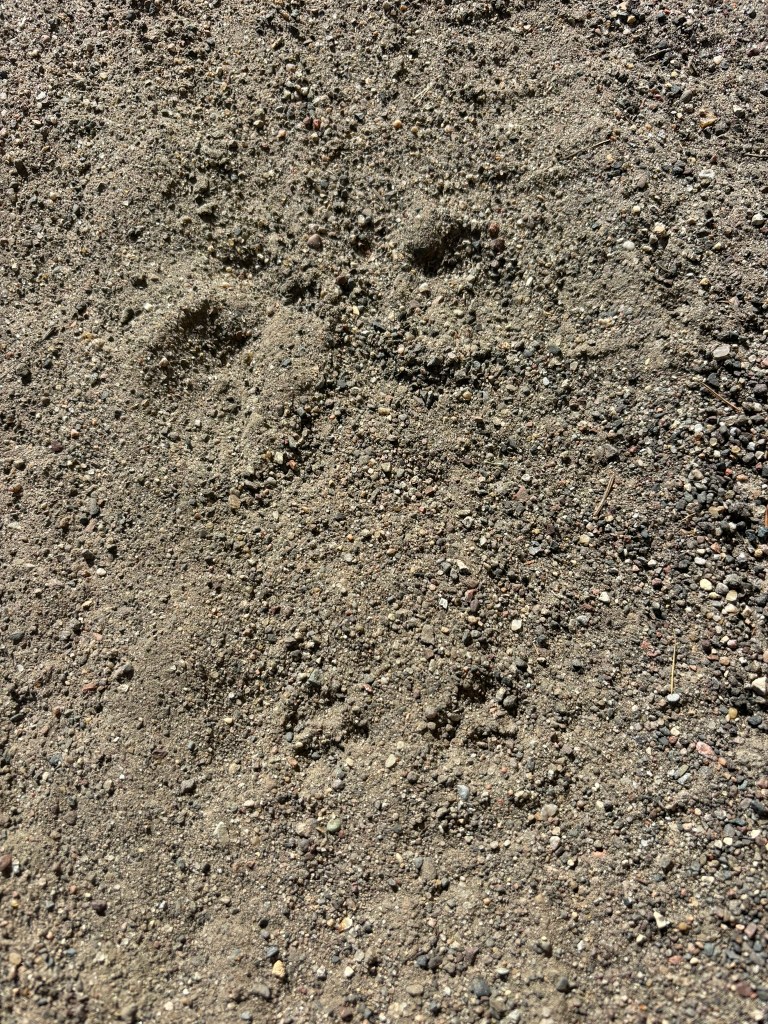
Crow pacing around. 🙂
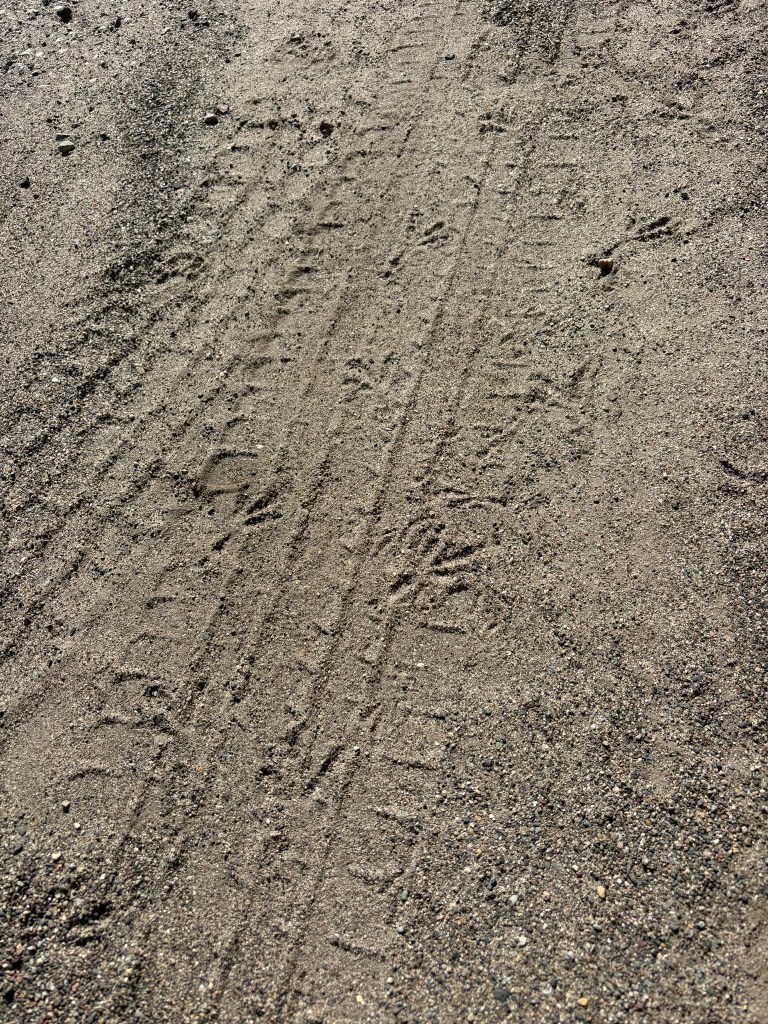
Might be a pigeon or sparrow.
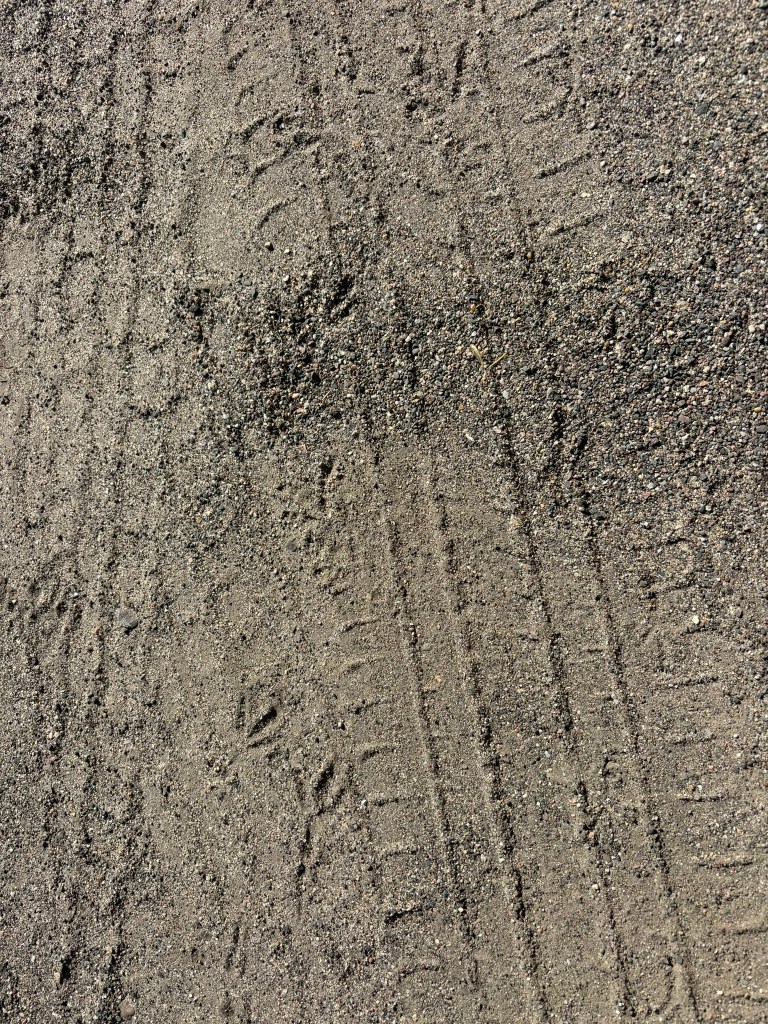
Deer 🙂
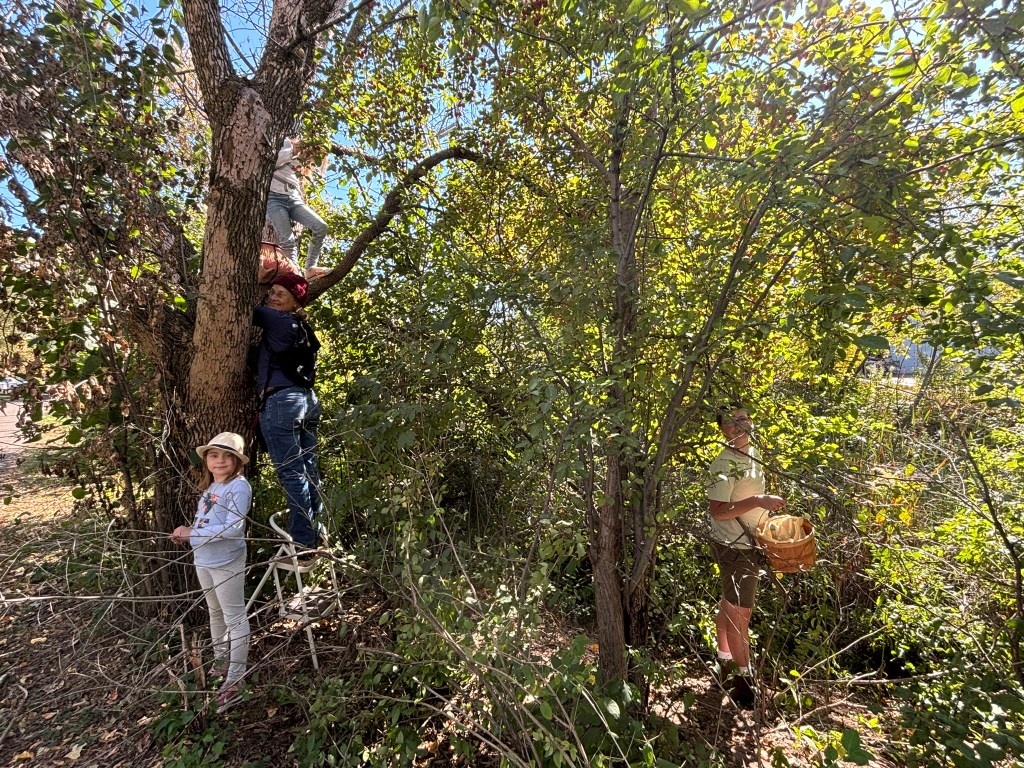
On October 9th, we also wanted to pick crabapples along the Gateway Trail! There were more than several crabapple trees – each different varieties and different palate of taste. Some were bitter / sweeter, more ripe / less ripe, orange / yellow / red, etc. 🙂
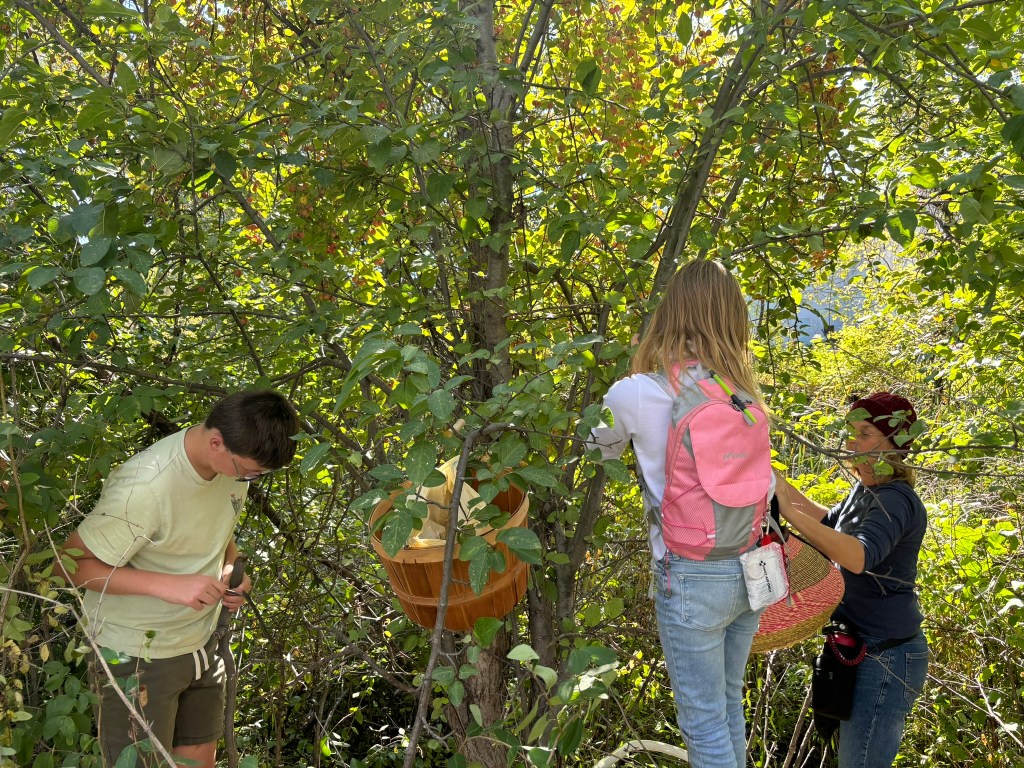
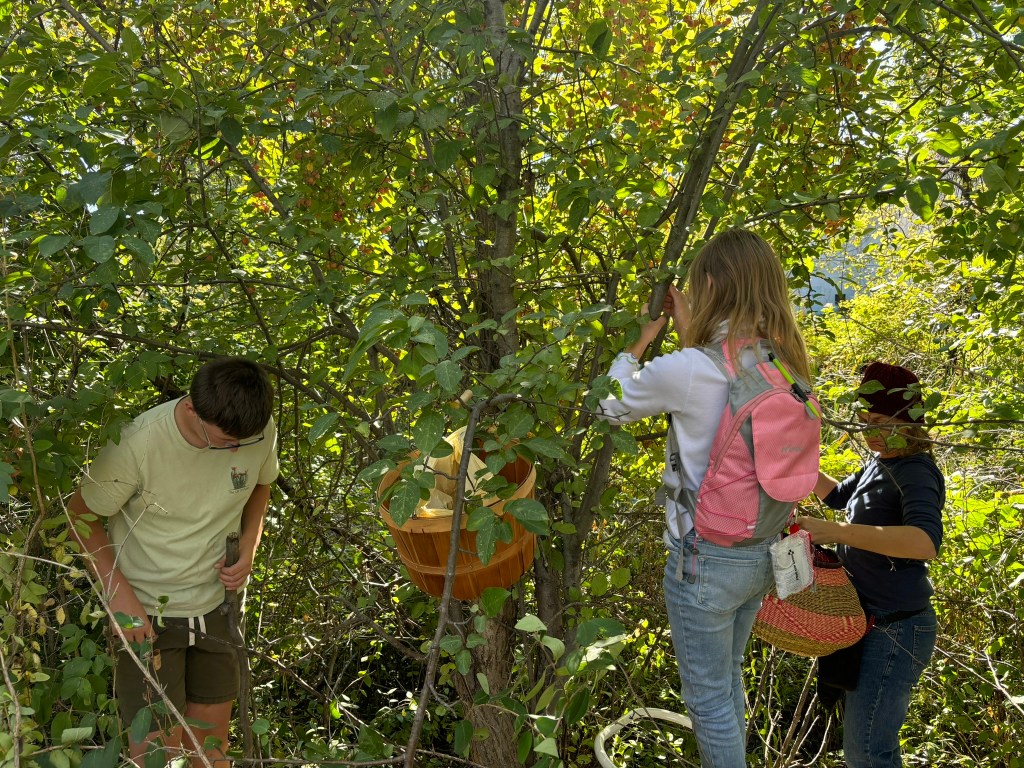

I even brought out a stepstool if stewards wanted to climb trees to pick crabapples! 🙂
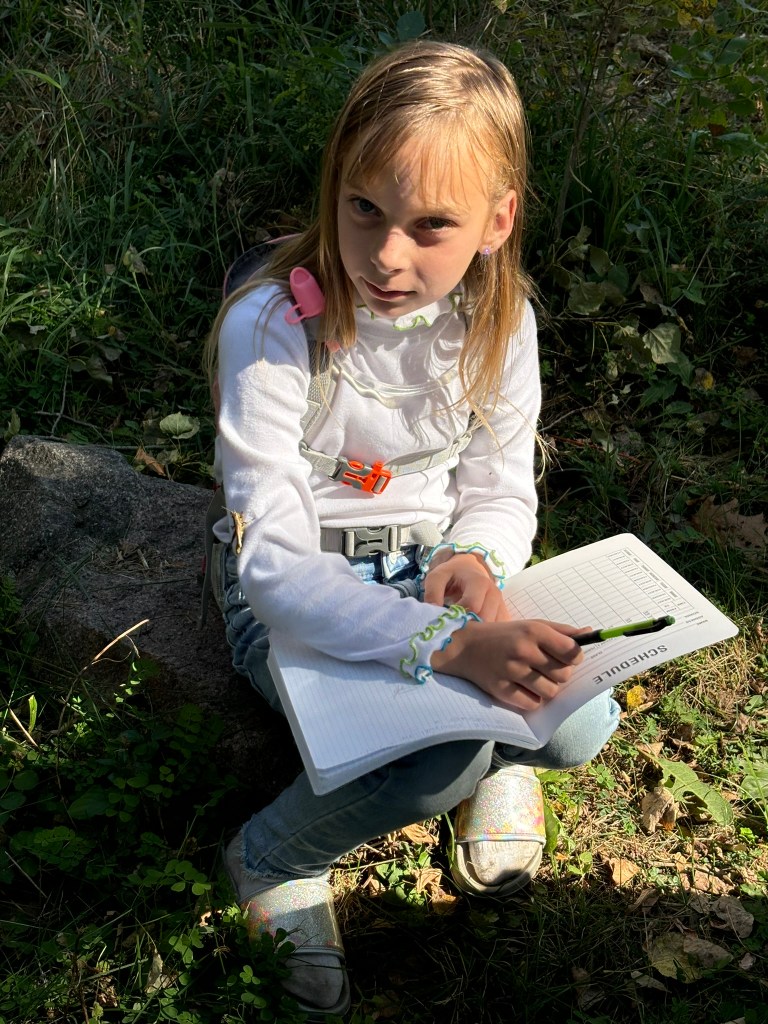
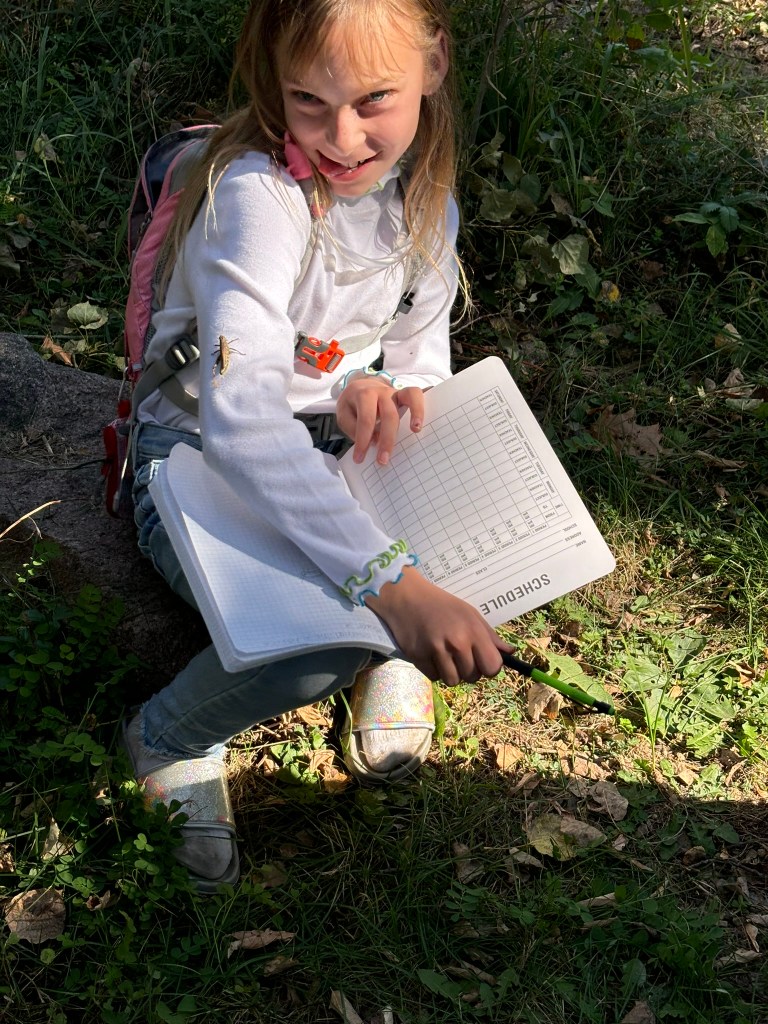
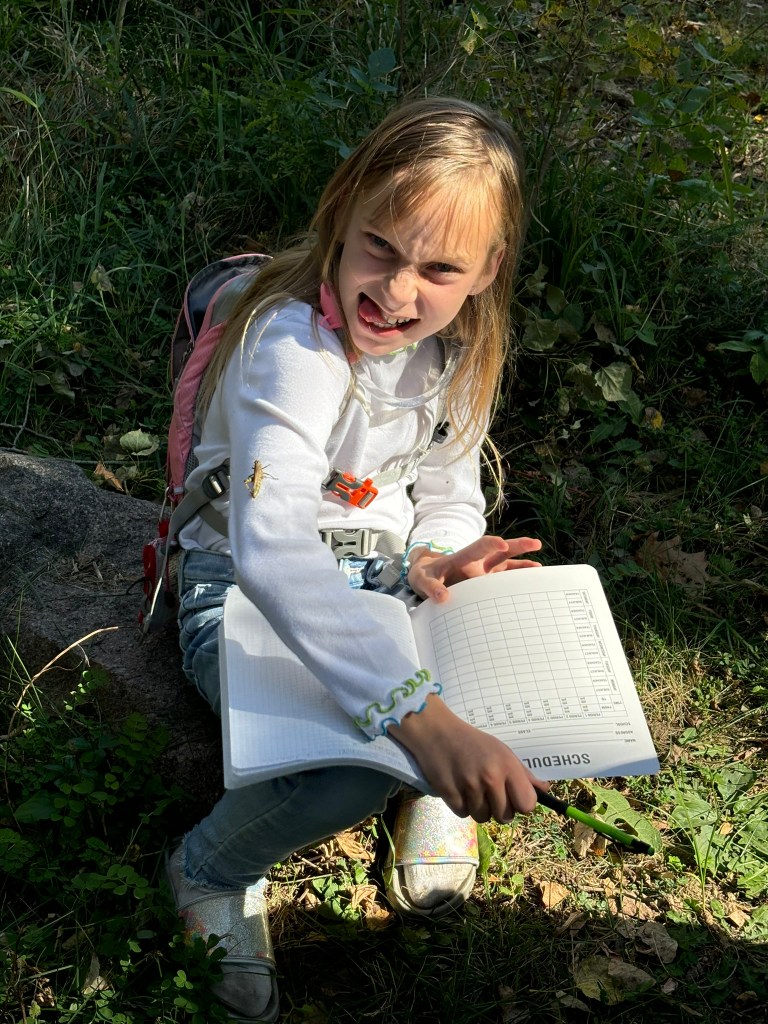
We also did some nature journaling today 🙂 Some of us have study subjects that like to hop on us, like this grasshopper on a steward’s arm, named Hoppy! 🙂
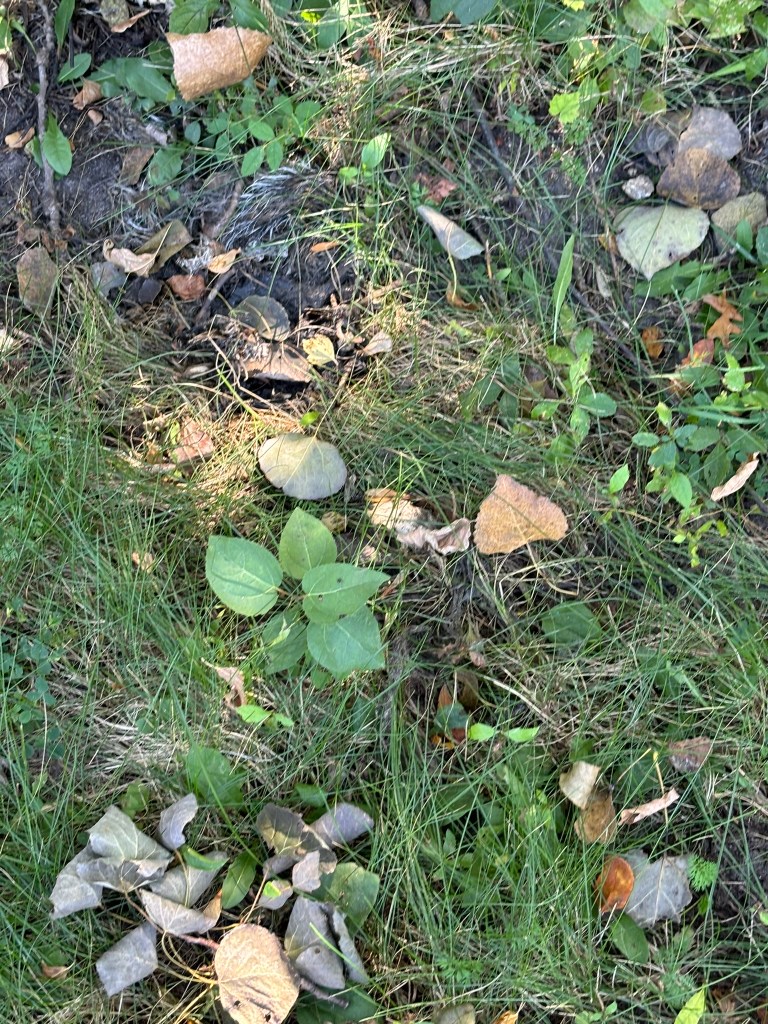
One of the first things we have noticed along the Gateway Trail has been the carcass of a dead squirrel. We have watched the squirrel decay progress almost every week – in the winter, we will collect its bones and I (Ms. Christine) will clean the skull, vertebrae, and ribs. 🙂 Notice the tuffs of fur in the upper left hand corner, a piece of bone in the middle, and another bone in the lower right hand part of this photo. 🙂
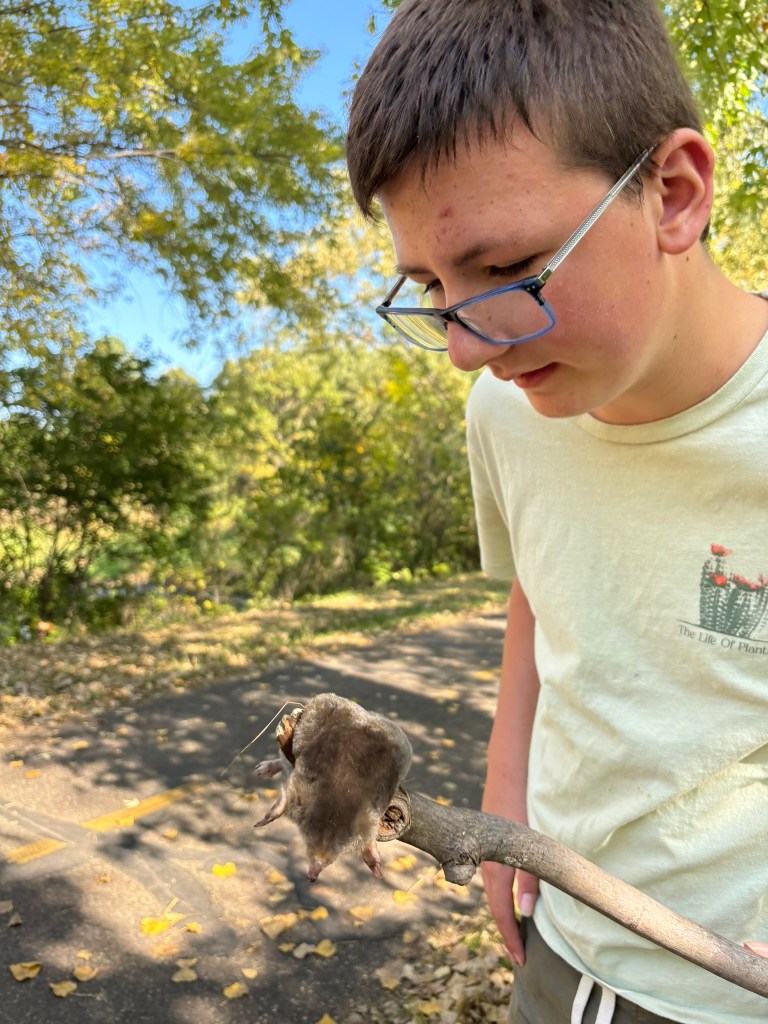
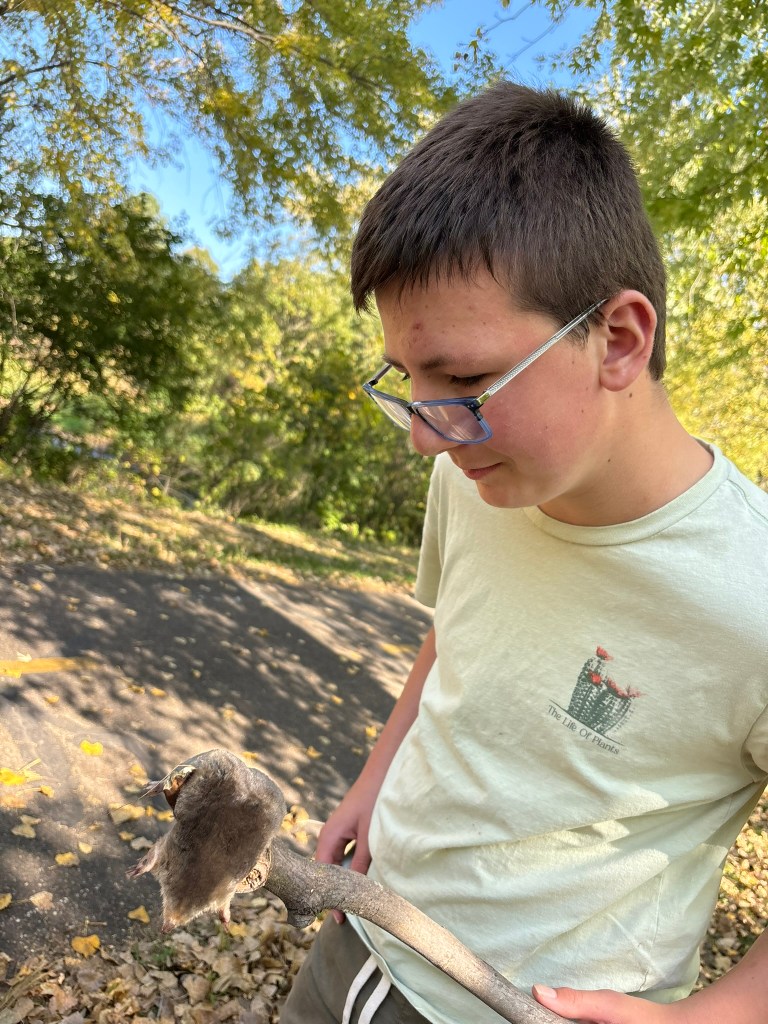
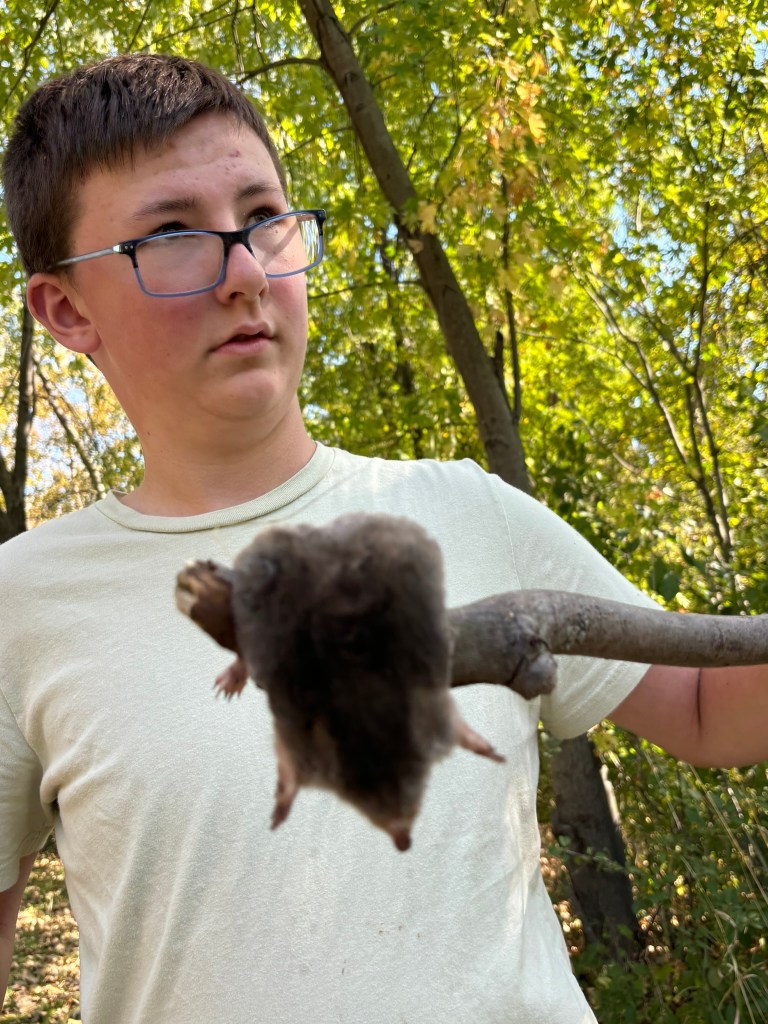
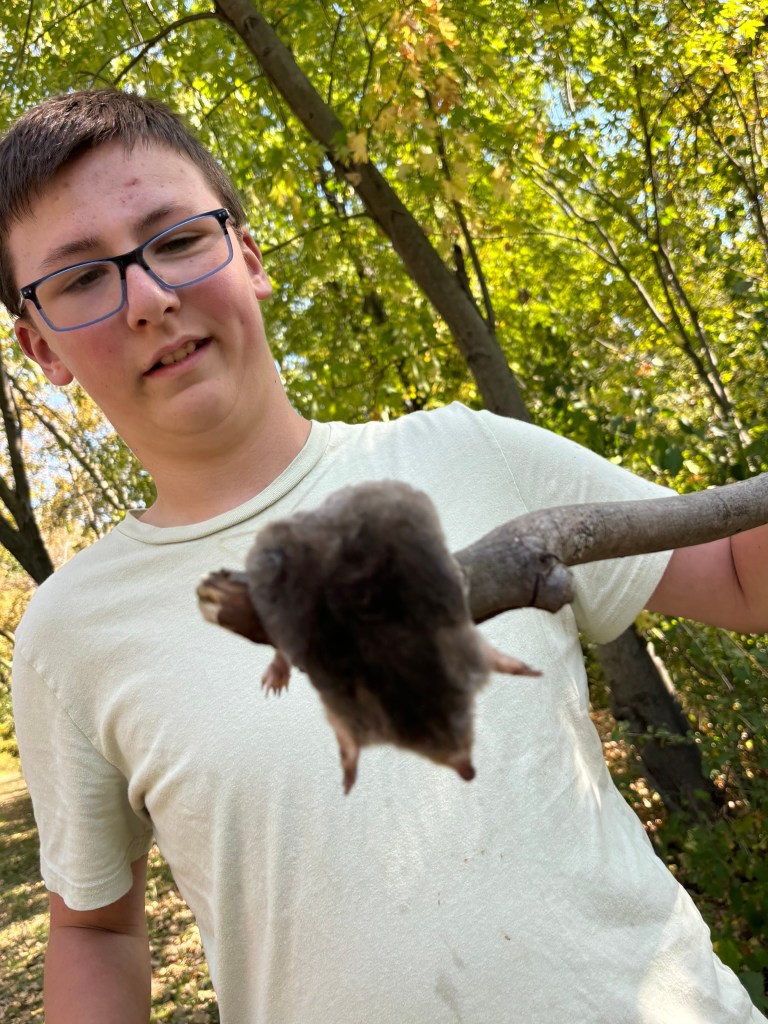
While setting out on the trail, we found a most interesting discovery! We found a dead mole on the bike road! It looked like he was squished by a bicyclist. 😦
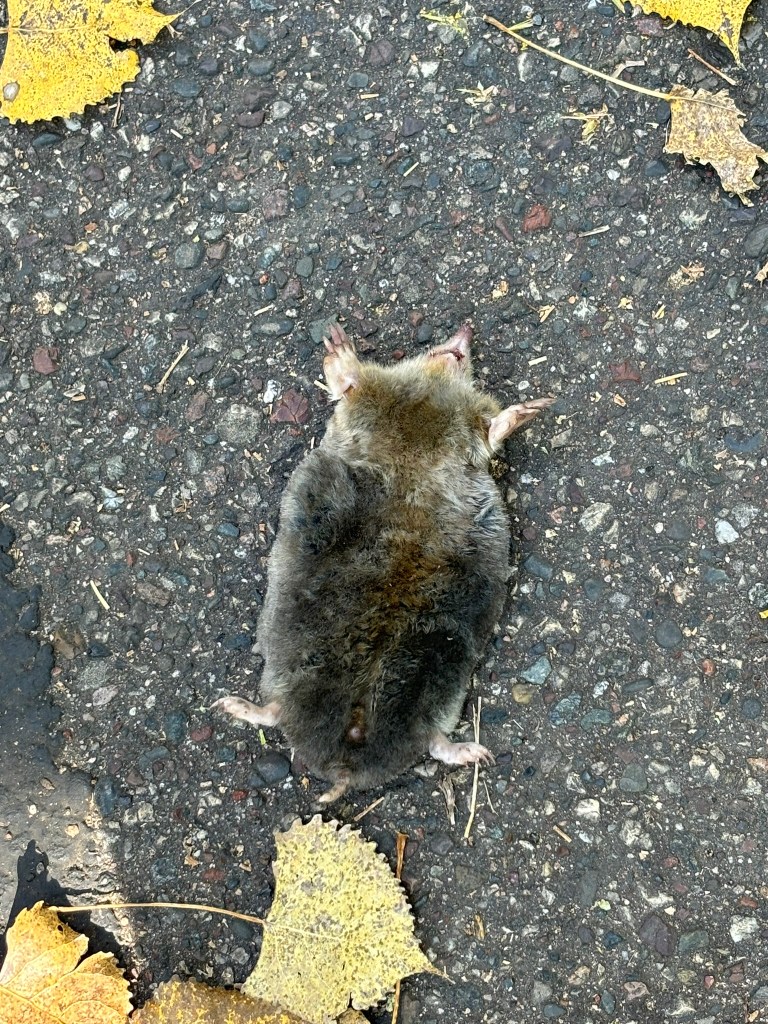
Showing different coloration at different angles / lighting of the mole.
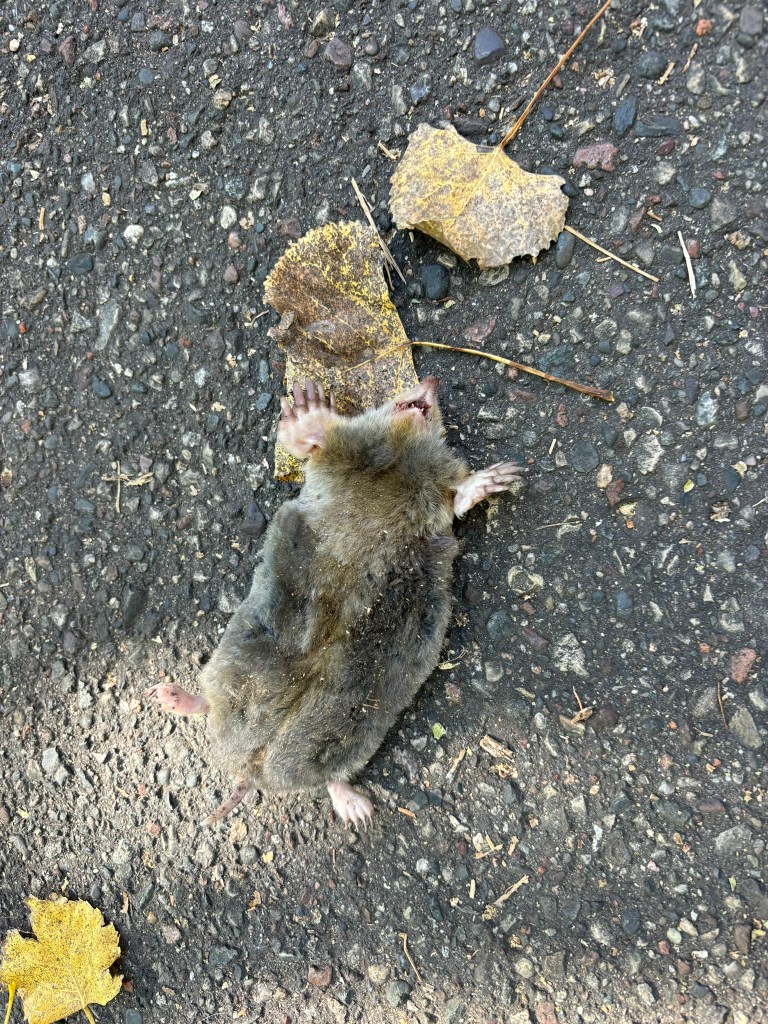
Speaking of coloration, I learned recently that the color, “taupe”, is French for “mole” and this is where the name of the color is derived – from a mole. 🙂
This mole is surprisingly large – I also learned recently that moles have polydactyl forepaws! They have a special form of hemoglobin too that allows them to breathe underground with less oxygen levels!
Notice the cute (but sad) little callus on the mole’s front paw!
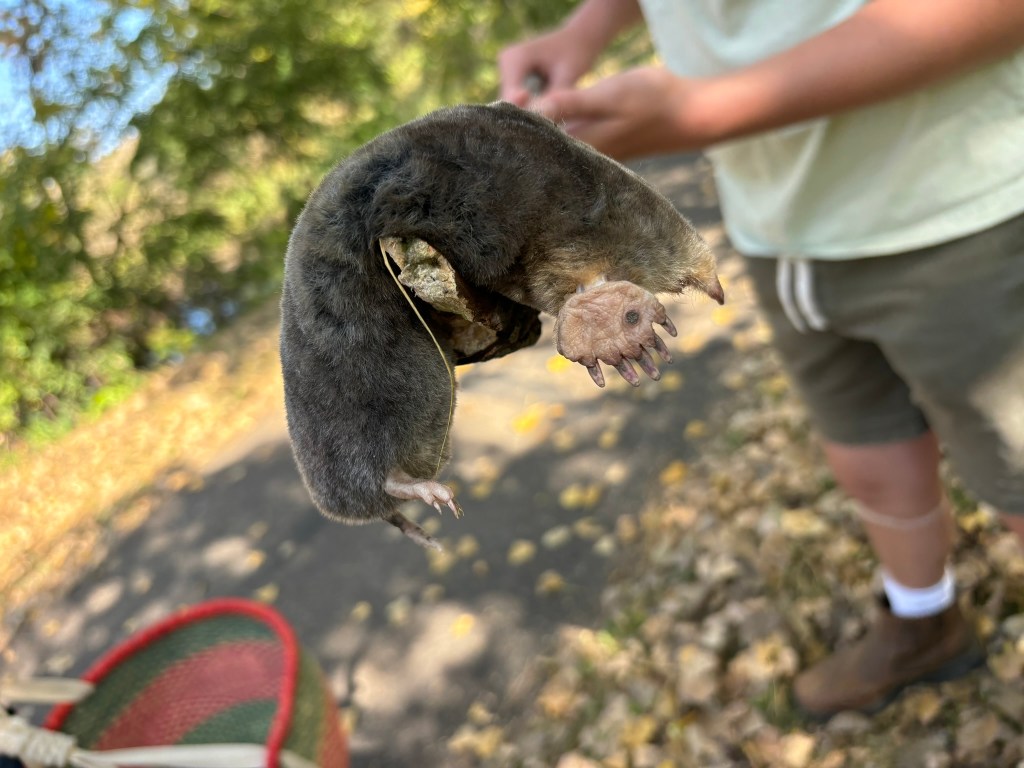
I think the shape of this mole is so interesting – notice the shape of the nose relative to the proportion of the rest of the body. It looks almost conical!
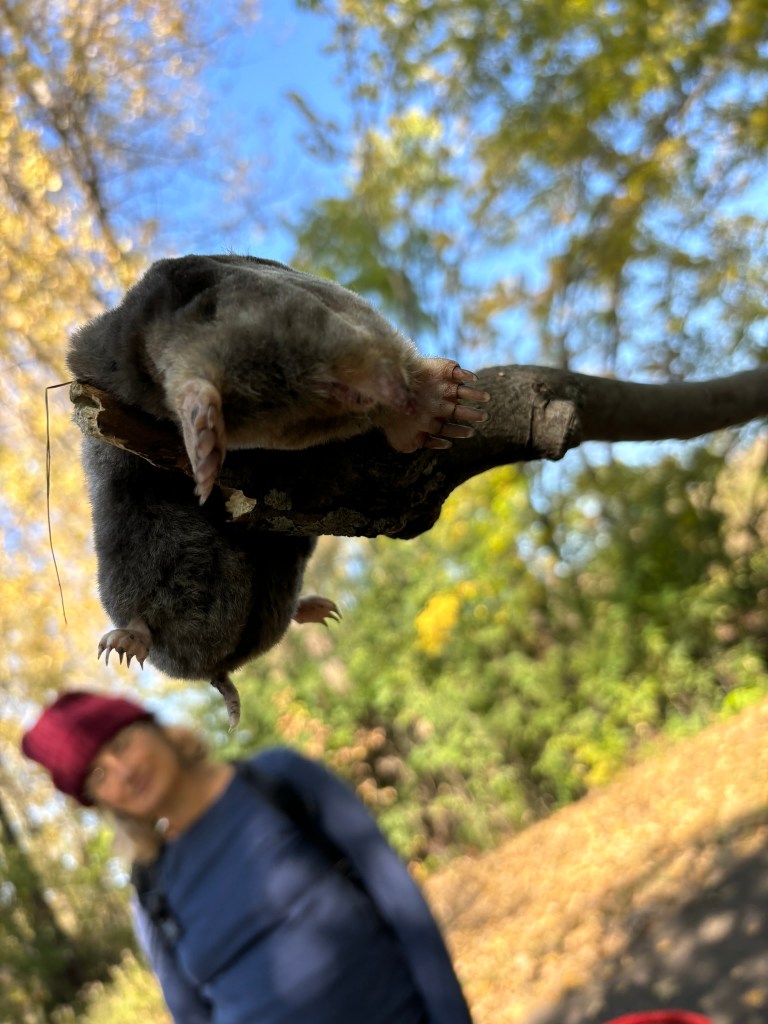
The eyes are so inconspicuous! The mole almost looks blind! Look at how large the forepaws are – primarily for digging through worm tunnels underground!
The forepaws are much larger relative to the hindlegs.
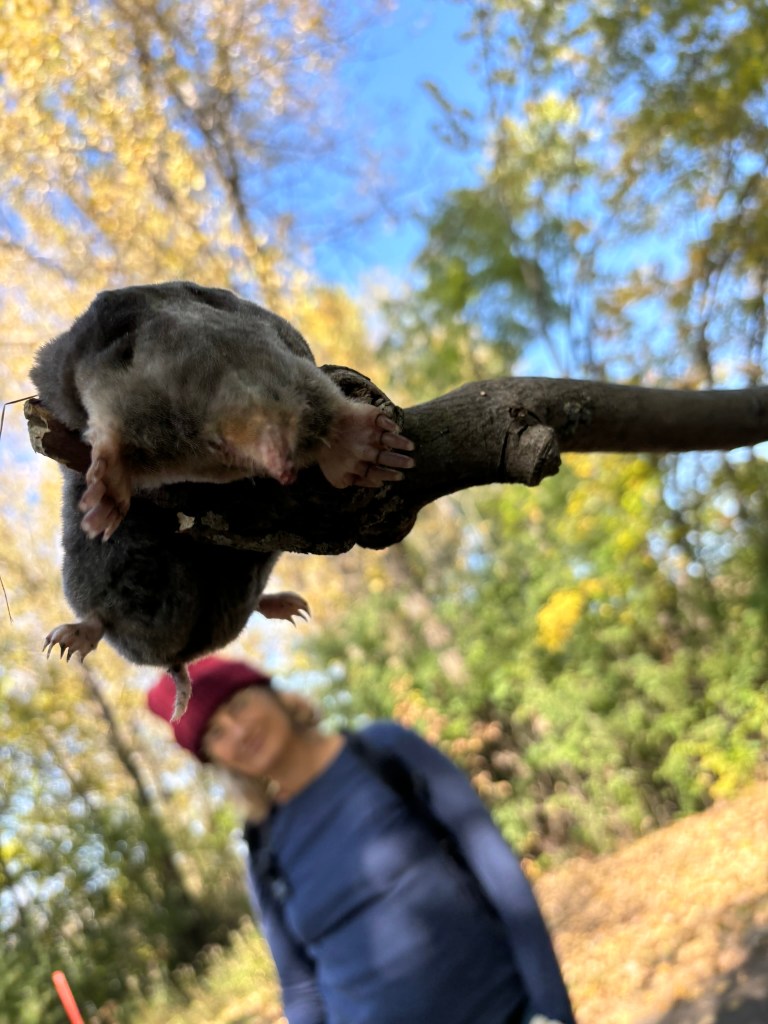
Our Spanish learning guide, Ms. Chris, informed us that “speed bump” in Spanish is “tope” (sounds like, “taupe”!). We decided to name our mole “Tope”. 😦
The irony of this meaning in Spanish comforted some of the sadness around the passing of the mole.

One of our stewards leading the group in our mole examination!

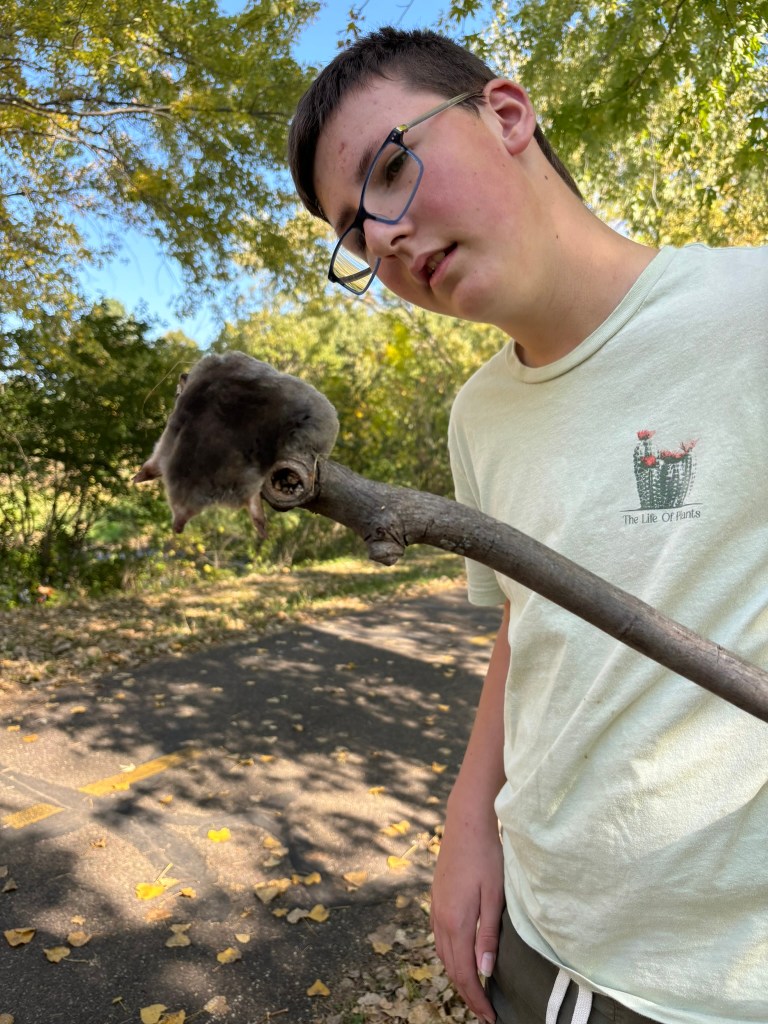
The fur looked velvety. We did not touch it. 🙂


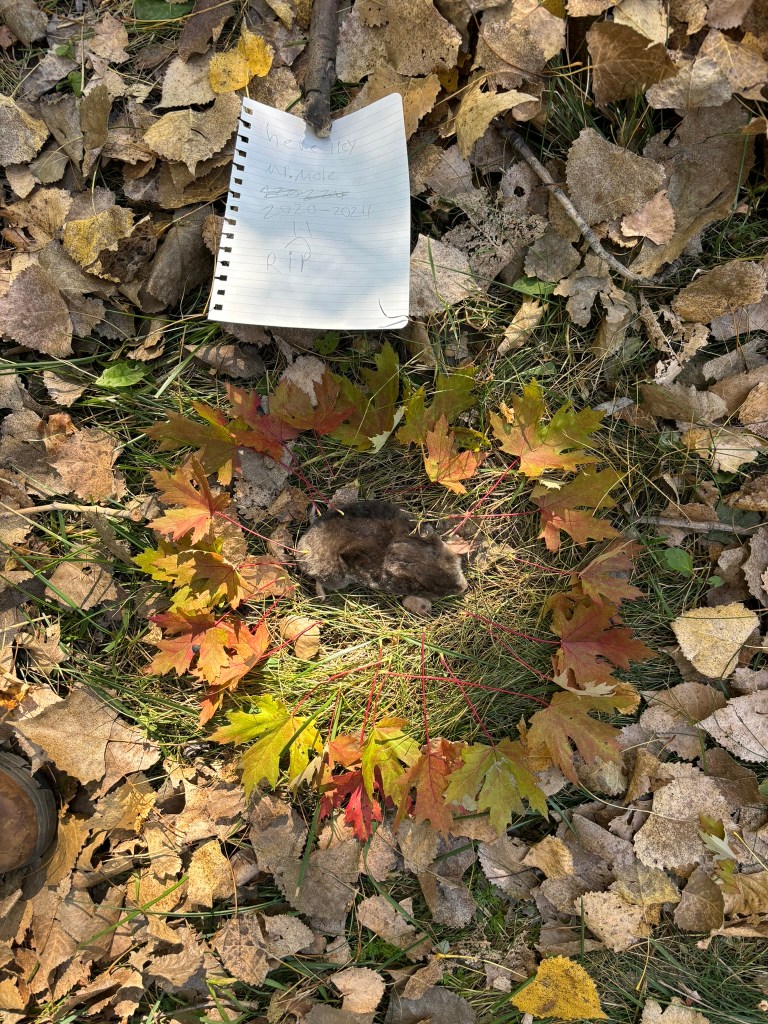
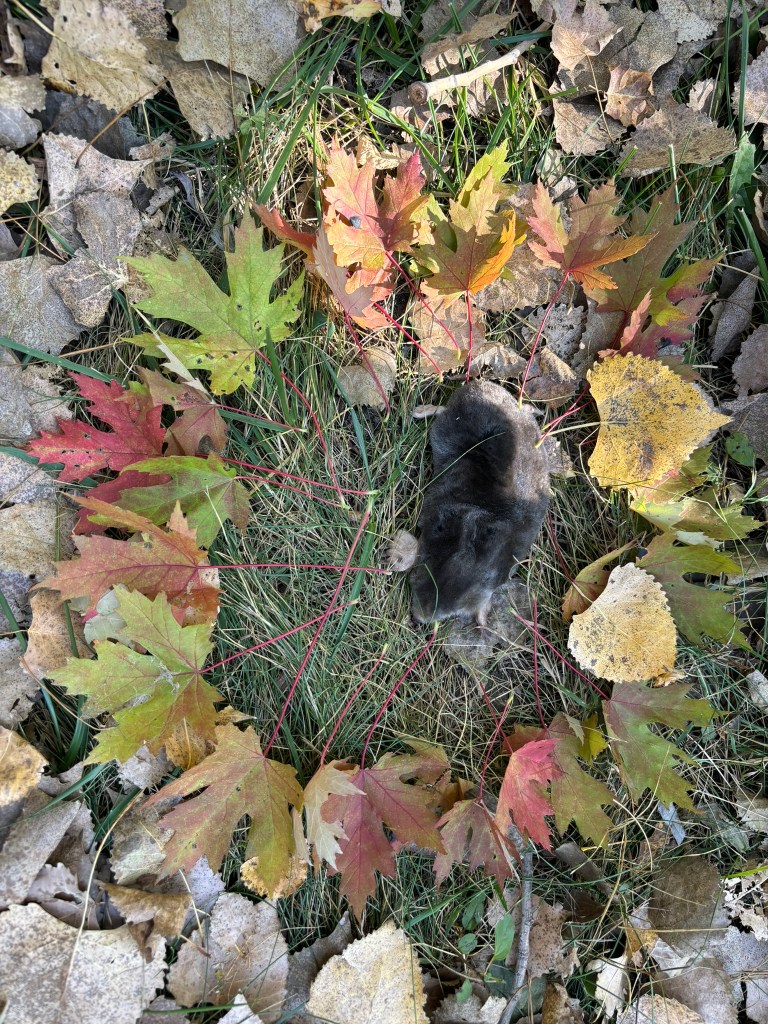
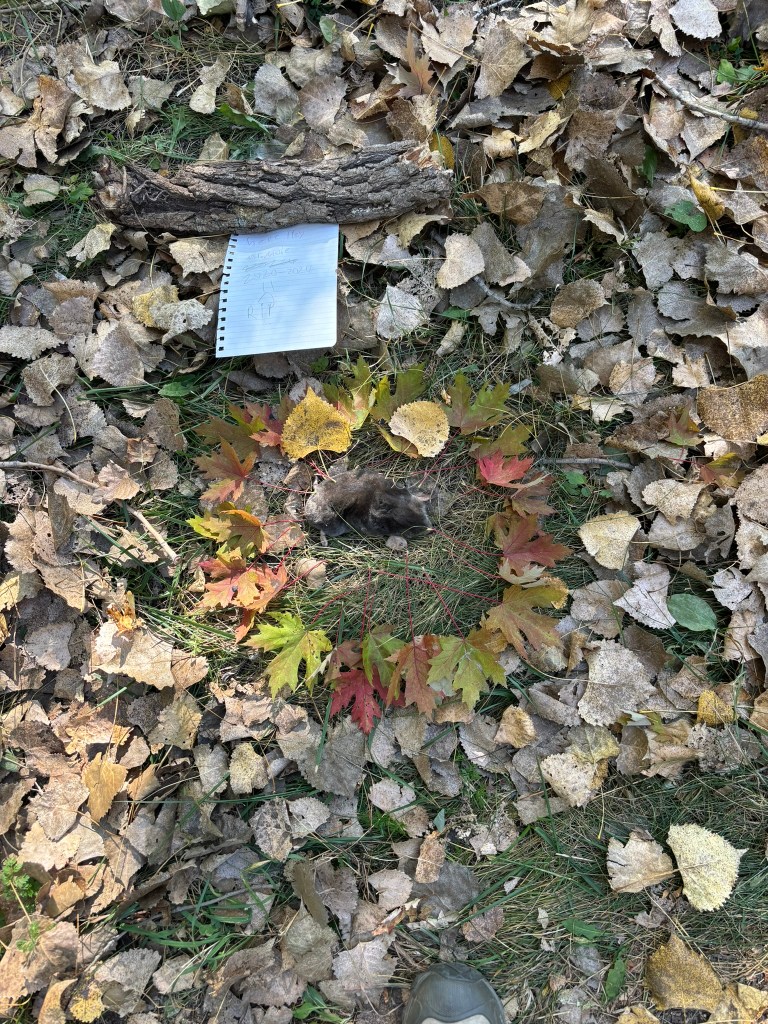
We thought it would be best to hold a proper funeral / burial for Tope.
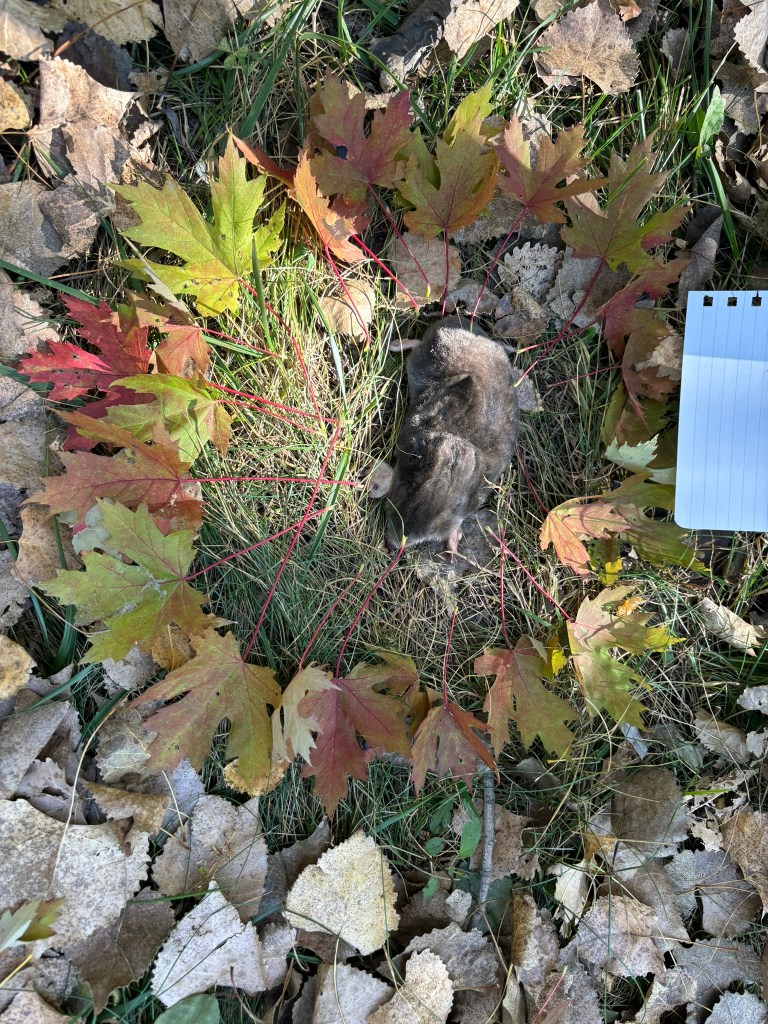
One of our Stewards wrote a kind note – it says, “here lies Mr. Mole, 2020 – 2024. 😦 RIP”.
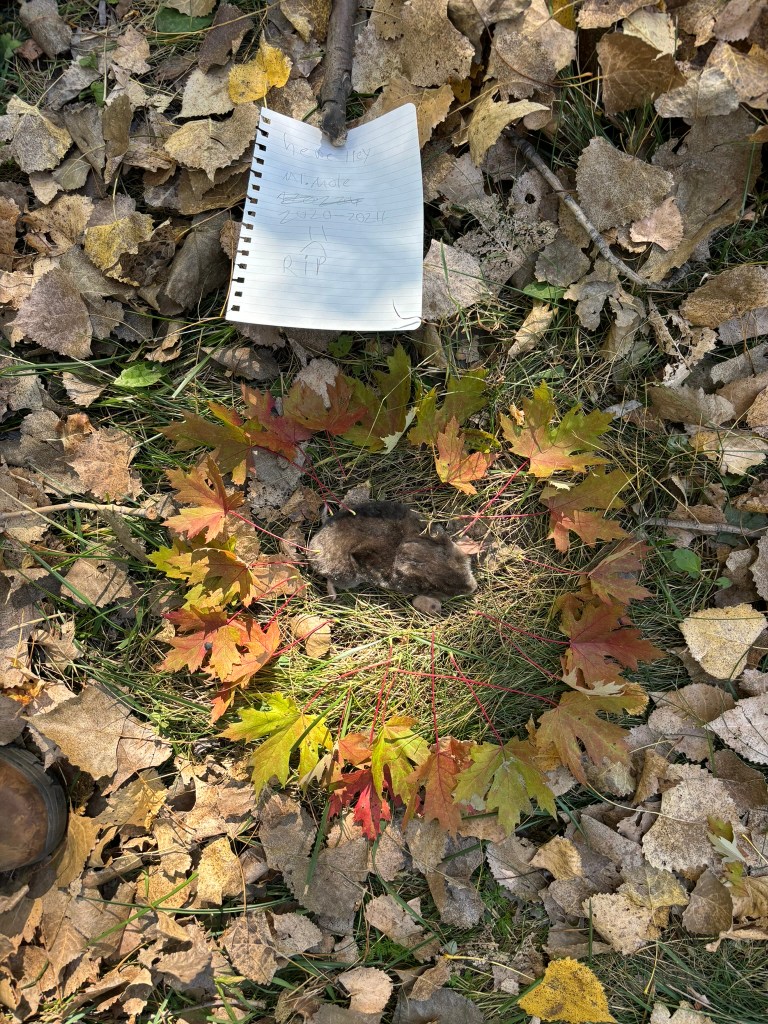
Gallery of the funeral of Tope:

I found a Carolina Larkspur (native delphinium flower) – I have never seen this native plant before! It was quite beautiful and blooming out of season along the path.

The following week (10/15 and 10/16), we checked on the place where we held our funeral for Mr. Mole (Tope). When we arrived to our colorful leaf resting place for Tope, we saw that his body was gone! He vanished! We looked all around the area for his body, but it was nowhere to be found. Perhaps another animal thought it would be good for Tope to not go to waste. 🙂
–
Sending giant & velvety mammoth blessings your way always,
~Christine Shoemaker
Director & Learning Guide of Singing Nettle Forest Stewards, 501 (c) (3)
 Singing Nettle Forest Stewards
Leave a comment